Lawn Care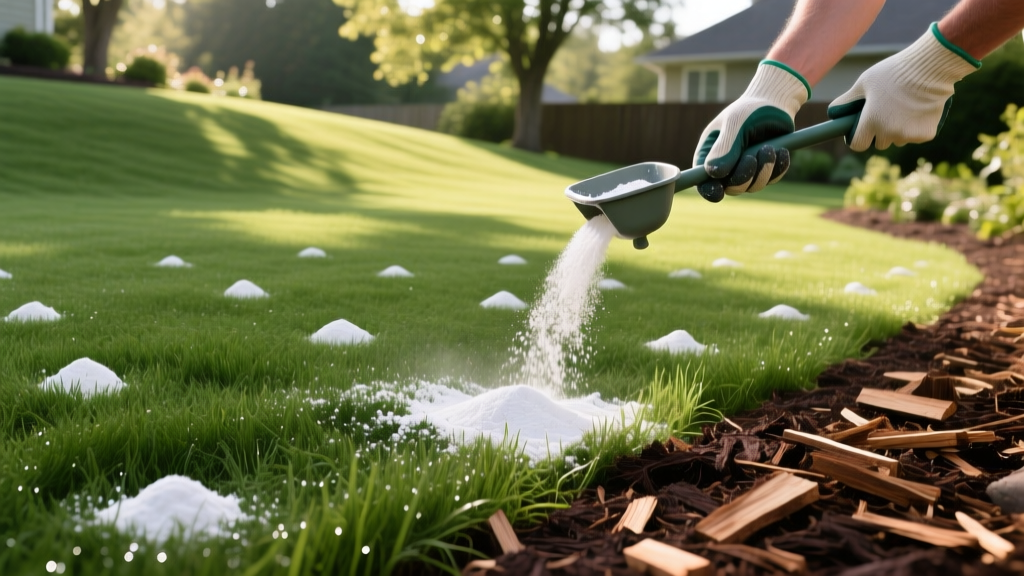
Balancing Acidic Lawns: Lime & Mulching Methods 2026
Robert HayesPublished
The Intersection of Mulching Methods and Soil Acidity
In 2026, sustainable lawn care is defined by closed-loop systems, and mulching is at the forefront of this movement. Whether you are grasscycling (leaving grass clippings on the lawn), mulching autumn leaves, or applying compost top-dressings, these mulching methods profoundly impact your soil chemistry. While organic mulching builds invaluable soil structure and retains moisture, the decomposition of these organic materials naturally releases humic and fulvic acids. Over time, this continuous organic breakdown can significantly lower your soil pH, creating an acidic environment that locks up essential nutrients and stifles turfgrass root development.
For cool-season grasses like Kentucky bluegrass and tall fescue, as well as warm-season varieties like Bermuda and Zoysia, the ideal soil pH ranges between 6.0 and 7.0. When your mulching routine pushes the pH below 5.5, a strategic lime application becomes mandatory. According to the University of Minnesota Extension, maintaining the correct pH is the single most critical factor in ensuring your fertilizers actually work. This guide will explore how to seamlessly integrate lime applications with your 2026 mulching methods to achieve a perfectly balanced, thriving lawn.
How Mulching Materials Influence Soil pH
Not all mulching materials are created equal when it comes to soil acidity. Understanding the pH impact of your chosen mulch is the first step in calculating your lime requirements.
- Grass Clippings (Grasscycling): Fresh grass clippings have a near-neutral pH, but as they decompose, the microbial activity and release of organic acids can subtly lower soil pH over several seasons. This is a slow acidification process, usually requiring maintenance liming every 2 to 3 years.
- Mulched Oak and Pine Leaves: If you use a mulching mower to shred autumn leaves directly into the turf, be aware that oak leaves and pine needles are inherently acidic. While they do not instantly alter soil pH upon contact, their long-term decomposition contributes to soil acidification, necessitating more frequent lime applications.
- Compost Top-Dressing: High-quality, fully decomposed compost is generally pH-neutral (around 6.5 to 7.0). However, peat-moss-heavy compost blends or poorly aged wood-composts can be highly acidic. Always check the pH of your bulk compost before applying it as a mulch layer.
- Pine Straw Borders: While typically used in garden beds, pine straw mulch often borders turf edges. Runoff and lateral root growth into these acidic mulch zones can cause uneven pH levels across your lawn, requiring targeted edge-liming.
Selecting the Right Lime for Mulched Lawns
When applying lime to a lawn that utilizes heavy mulching methods, the physical form of the lime matters immensely. Pulverized (powdered) lime acts quickly but will cling to the thatch and mulch layer, failing to reach the soil where it is needed. In 2026, pelletized and bio-enhanced limes are the industry standard for mulched lawns.
| Lime Type | Composition | Best For Mulched Lawns? | 2026 Avg. Cost (40lb Bag) |
|---|---|---|---|
| Pulverized (Powder) | Crushed Calcium Carbonate | No (Clings to mulch/thatch) | $5.00 - $7.00 |
| Pelletized Calcitic | Calcium Carbonate + Binder | Yes (Falls through mulch layer) | $8.00 - $10.00 |
| Pelletized Dolomitic | Calcium + Magnesium Carbonate | Yes (Adds vital Magnesium) | $9.00 - $12.00 |
| Bio-Enhanced Pelletized | Lime + Humic Acid + Microbes | Excellent (Synergizes with organic mulch) | $14.00 - $18.00 |
Pro Tip: If your soil test indicates a magnesium deficiency alongside low pH, always opt for Dolomitic lime. The Penn State Extension notes that dolomitic lime is crucial for regions with naturally magnesium-poor soils, which is common in areas where heavy organic mulching has tied up available nutrients.
Step-by-Step Lime Application Protocol for 2026
Integrating lime into a lawn that is actively mulched requires precise timing and technique to ensure the calcium carbonate reaches the soil profile rather than getting trapped in the organic layer.
Step 1: Smart Soil Testing
Do not guess your soil pH. In 2026, digital smart soil probes and advanced at-home colorimetric kits provide highly accurate readings. For the most reliable results, pull a traditional core sample from 4 to 6 inches deep—pushing past the mulch and thatch layers—and send it to a university extension lab. Apply lime only if your pH is below 6.0.
Step 2: Calculate the Application Rate
Most soil tests will recommend an application rate in pounds per 1,000 square feet. A general rule of thumb for moderately acidic soil (pH 5.0 - 5.5) is 40 to 50 pounds of pelletized lime per 1,000 square feet. If your soil requires more than 100 pounds per 1,000 square feet, split the application into two separate treatments spaced six months apart to prevent salt shock to the turf.
Step 3: Timing with Mulching Cycles
The best time to apply lime is in the late fall or early winter. This timing is strategic for mulched lawns for two reasons: 1. The freeze-thaw cycles of winter help work the lime pellets down through the thatch and mulch layers into the soil. 2. It avoids the spring rush of nitrogen fertilizers. Never apply lime and synthetic nitrogen fertilizers at the same time, as they will react and cancel each other out.
Step 4: Application and Watering
Use a rotary spreader to apply the pelletized lime evenly across the lawn. Because you are maintaining a mulched lawn, it is critical to water the lawn immediately after application with at least 0.25 inches of irrigation. This moisture activates the binder in the pellets, causing them to break apart and wash down through the grass clippings and organic mulch directly into the soil surface.
Advanced Mulch-Lime Synergies: Compost Top-Dressing
One of the most effective lawn care methods in 2026 is combining aeration, lime application, and compost top-dressing. If you are overseeding and mulching with a thin layer of compost, follow this sequence:
- Core Aerate: Pull plugs to relieve compaction and create direct channels to the subsoil.
- Apply Lime: Broadcast your pelletized lime. The pellets will fall into the aeration holes, bypassing the thatch entirely and reaching the root zone instantly.
- Top-Dress with Compost: Apply a 1/4-inch layer of pH-neutral compost over the lawn. This acts as a protective mulch layer for overseeded grass while feeding the soil microbes that will help break down the lime.
This triad of practices ensures that the pH-altering lime is physically introduced to the deep soil profile, while the organic mulch layer remains on top to retain moisture and suppress weeds.
Common Mistakes to Avoid When Liming Mulched Lawns
- Applying Powdered Lime Over Thick Thatch: If your mulching mower has created a thatch layer thicker than 1/2 inch, powdered lime will sit on top, creating a crust that repels water. Always dethatch before liming, or strictly use pelletized lime.
- Over-Liming Based on Visual Guesswork: Yellowing grass can be a sign of acidic soil, but it can also indicate a nitrogen deficiency or poor drainage caused by excessive mulch buildup. Always rely on a lab-tested soil sample.
- Ignoring the Mulch Decomposition Rate: If you heavily mulch your lawn with oak leaves every autumn, your soil will acidify faster than a lawn where clippings are bagged. Adjust your soil testing frequency to annually if you practice heavy leaf-mulching.
Conclusion
Mulching is a cornerstone of modern, eco-friendly lawn care, but it fundamentally alters the chemical landscape of your soil. By understanding how organic materials break down and release acids, you can proactively manage your soil pH. Utilizing high-quality pelletized or bio-enhanced limes, applying them during the optimal fall window, and leveraging watering and aeration to move the lime through the mulch layer will ensure your turfgrass has the exact chemical environment it needs to thrive in 2026 and beyond. Test your soil, respect the mulch-pH connection, and your lawn will reward you with deep roots and vibrant color.