
Landscaping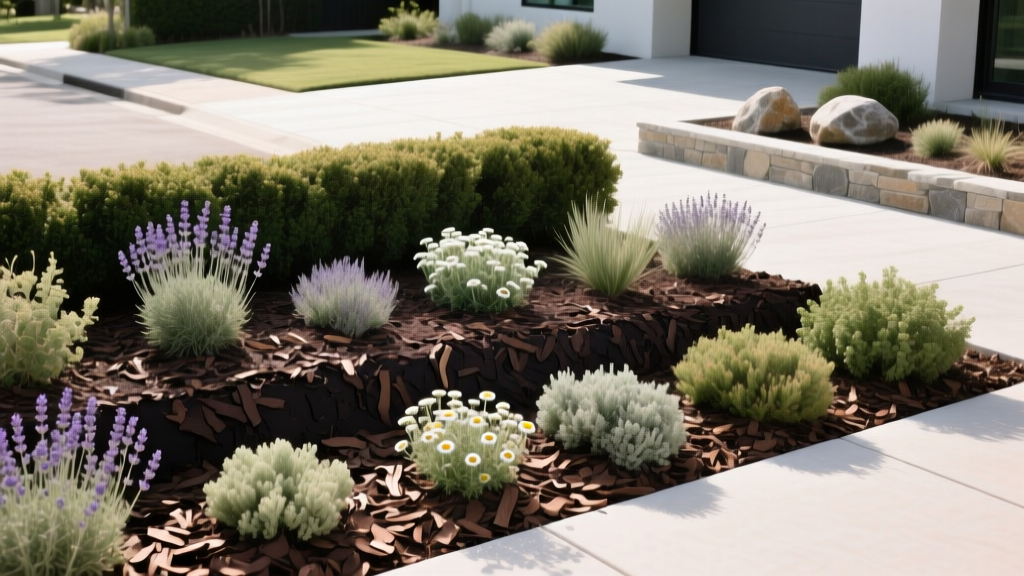
2026 Front Yard Makeover: Low-Maintenance Shrub Mulch
Anna KowalskiPublished
The 2026 Front Yard Makeover: Rethinking the Shrub Border
In 2026, the ultimate goal for residential landscaping is striking a perfect balance between stunning curb appeal and minimal weekend maintenance. The front yard shrub border remains a cornerstone of landscape design, providing structure, year-round color, and privacy. However, a poorly planned shrub bed can quickly become a high-maintenance burden, plagued by aggressive weeds, compacted soil, and excessive water requirements. The secret to transforming your front yard into a low-maintenance oasis lies not just in the shrubs you choose, but in the mulching methods and materials you employ.
Redesigning your shrub border with modern mulching techniques ensures that your landscape thrives with minimal intervention. Whether you are installing drought-tolerant evergreens like the Blue Star Juniper (Juniperus squamata) or broadleaf staples like Inkberry Holly (Ilex glabra), the right mulch acts as a protective barrier that regulates soil temperature, retains moisture, and suppresses weed germination. This comprehensive guide will walk you through the best mulching materials and installation methods for a front yard makeover in 2026.
Why Mulch is the Secret to Low-Maintenance Shrub Borders
Mulch is often treated as an afterthought—a mere decorative topping to make garden beds look tidy. In reality, it is a critical component of soil health and water conservation. According to the EPA WaterSense program, applying a proper layer of mulch can reduce soil water evaporation by up to 70 percent, significantly decreasing the need for supplemental irrigation during the hot summer months.
Furthermore, mulch acts as a physical barrier that blocks sunlight from reaching weed seeds in the soil, drastically reducing the time you spend pulling weeds. As organic mulches break down, they also feed the soil microbiome, improving soil structure and nutrient availability for your shrubs. By investing time in proper mulching during your front yard redesign, you are effectively buying back hours of your weekend for years to come.
Top Mulching Materials for Shrub Borders in 2026
Choosing the right material depends on your local climate, soil type, and aesthetic preferences. Here are the top mulching materials dominating landscape designs this year.
Organic Mulches: Hardwood, Pine Bark, and Cedar
Organic mulches are the gold standard for shrub borders because they actively improve soil health as they decompose. Shredded hardwood bark is a popular, cost-effective choice that knits together well, making it resistant to washing away on sloped front yards. Pine bark nuggets are excellent for acid-loving shrubs like azaleas and rhododendrons, as they slightly lower the soil pH over time. Cedar mulch is highly valued in 2026 for its natural insect-repelling properties and its rich, long-lasting color, though it comes at a premium price point.
Inorganic Mulches: River Rock, Pea Gravel, and Lava Rock
For homeowners seeking a truly permanent, zero-replenishment solution, inorganic mulches are the way to go. River rock and pea gravel provide excellent drainage and a clean, modern aesthetic that pairs beautifully with architectural shrubs like Dwarf Mugo Pine. However, stones absorb and radiate heat, which can stress shallow-rooted plants in full-sun exposures. Lava rock is a lightweight alternative that offers striking color contrast and superior weed suppression, though it can be difficult to clean falling leaves out of its porous surface.
Living Mulch and Groundcovers
The most sustainable trend in 2026 landscaping is the use of 'living mulch.' Instead of applying wood chips, landscapers are planting low-growing, dense groundcovers beneath their primary shrubs. Creeping thyme, sedum, and creeping juniper act as a living carpet that outcompetes weeds, prevents erosion, and requires virtually no maintenance once established. This method eliminates the need to purchase and spread new mulch every spring.
Comparison Chart: Organic vs. Inorganic Mulch for Shrubs
| Feature | Organic Mulch (Hardwood/Bark) | Inorganic Mulch (River Rock/Gravel) |
|---|---|---|
| Soil Health | Improves soil structure and adds nutrients | No nutritional benefit; may alter soil pH |
| Maintenance | Requires replenishing every 1-2 years | Permanent; occasional leaf blowing required |
| Weed Suppression | Excellent when applied at 3 inches | Good, but requires heavy-duty fabric base |
| Moisture Retention | Highly effective; keeps soil cool | Moderate; can increase soil temperature |
| Best For | Most evergreen and flowering shrubs | Drought-tolerant, heat-loving shrubs |
Step-by-Step Mulching Method for a Shrub Border Redesign
Even the most expensive mulch will fail if installed incorrectly. Follow these professional methods to ensure your front yard shrub border remains pristine.
Step 1: Bed Preparation and Edging
Before laying down any mulch, define the border. In 2026, Cor-Ten steel edging is the preferred choice for modern landscapes, providing a sleek, rust-patina barrier that stops turfgrass from creeping into the shrub bed. Install the edging at least 4 inches deep. Remove all existing weeds from the bed, ensuring you pull out the entire root system of perennial weeds like bindweed or dandelion.
Step 2: Weed Barrier Selection
Avoid using solid black plastic sheeting, which suffocates the soil, prevents water penetration, and creates a muddy mess. Instead, use a woven geotextile landscape fabric. This material allows water and air to reach the shrub roots while blocking sunlight from weed seeds. Overlap the fabric seams by at least 6 inches and secure them with heavy-duty landscape staples every 3 feet.
Step 3: Calculating Depth and Volume
Proper depth is crucial. The Penn State Extension recommends a depth of 2 to 3 inches for organic mulches. Any deeper, and you risk suffocating the shrub roots and creating a habitat for rodents. For inorganic mulches like river rock, a depth of 1.5 to 2 inches over a geotextile fabric is sufficient. To calculate the volume needed, use the formula: (Length in feet × Width in feet × Depth in inches) ÷ 324 = Cubic Yards of mulch required.
Step 4: Application and the 'Donut' Method
When spreading the mulch, never pile it against the trunk of the shrub—a practice notoriously known as 'volcano mulching.' This traps moisture against the bark, leading to stem rot, fungal diseases, and girdling roots. Instead, employ the 'Donut Method': pull the mulch back 3 to 4 inches from the base of the shrub, creating a ring that exposes the root flare while protecting the surrounding soil.
2026 Cost Breakdown for a Front Yard Shrub Border
Budgeting accurately is essential for a successful front yard makeover. Here are the average material costs for a standard 50-square-foot shrub border in 2026:
- Woven Geotextile Fabric: $0.75 to $1.20 per square foot ($37 - $60 total).
- Shredded Hardwood Mulch: $45 to $65 per cubic yard (approx. $25 - $40 for a 50 sq ft bed at 3 inches deep).
- River Rock (3/4 inch): $110 to $150 per ton (approx. $75 - $100 for a 50 sq ft bed at 2 inches deep).
- Cor-Ten Steel Edging: $4.50 to $7.00 per linear foot.
While inorganic mulches like river rock have a higher upfront material cost, their permanent nature makes them more cost-effective over a 10-year period compared to the recurring annual costs of organic hardwood mulch.
Conclusion
Redesigning your front yard shrub border in 2026 is an investment in both your home's curb appeal and your personal free time. By carefully selecting the right mulching materials—whether you opt for the soil-enriching benefits of cedar bark, the modern permanence of river rock, or the sustainability of living groundcovers—you can create a stunning landscape that thrives on neglect. Remember to prioritize proper installation methods, utilize woven geotextiles, and always respect the root flare with the donut method. With these strategies in place, your low-maintenance shrub border will remain a vibrant, weed-free focal point for years to come.

