Lawn Care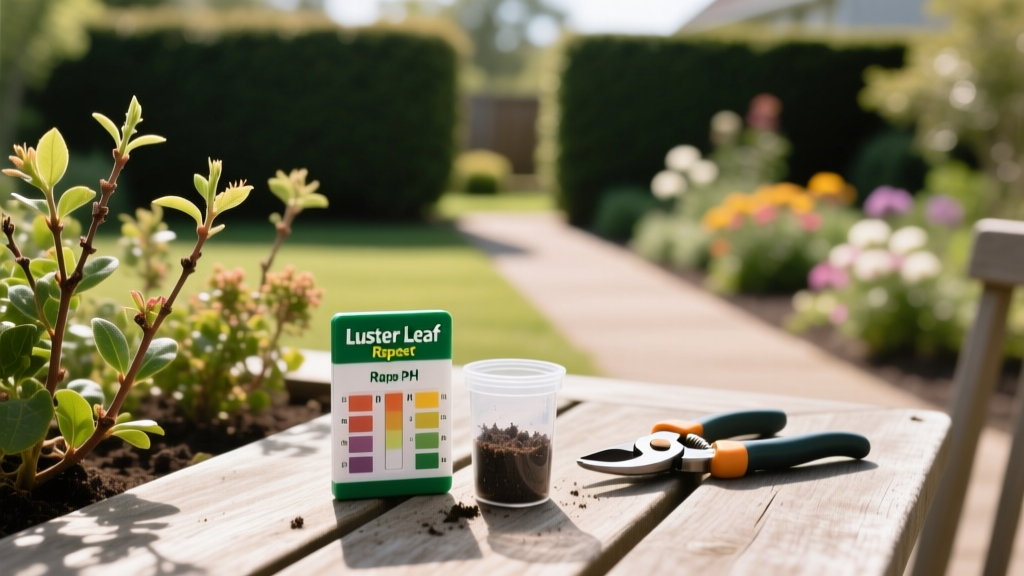
2026 Pruning Timing & Soil pH: Luster Leaf Rapitest Guide
Emily WatsonPublished
The Hidden Link Between Soil pH and Pruning Success
When most homeowners think of lawn and garden care in 2026, they often separate turf maintenance from landscape pruning. However, modern horticulture emphasizes the deep, inseparable connection between soil chemistry and plant architecture. The timing and methods you use to prune your trees, shrubs, and ornamental grasses should not be dictated by the calendar alone; they must be informed by the underlying health of the plant, which is directly governed by soil pH. If your soil pH is causing nutrient lockout, pruning at the wrong time or using aggressive methods can push a stressed plant into fatal decline.
To make informed pruning decisions, you need accurate, real-time soil data. This is where soil pH testing with the Luster Leaf Rapitest kit becomes an essential part of your pruning preparation. By understanding your soil's acidity or alkalinity before you pick up your shears, you can tailor your pruning methods and timing to promote rapid wound healing, vigorous regrowth, and long-term landscape health.
Why Use the Luster Leaf Rapitest Kit in 2026?
The Luster Leaf Rapitest Soil Test Kit remains a top-tier choice for home gardeners and landscape professionals in 2026. Available in both the classic analog color-comparator version (Model 1615) and the modern digital meter version (Model 1847), the Rapitest system provides laboratory-level insights at a fraction of the cost of mail-in soil tests. Priced between $18 and $35 depending on the model, it offers an immediate return on investment by preventing costly plant replacements due to improper pruning stress.
According to the University of Minnesota Extension, soil pH dictates the chemical availability of essential nutrients. Even if you fertilize heavily, a pH imbalance will lock out critical elements like calcium and boron. These specific nutrients are vital for cell wall formation and the compartmentalization of decay (the process by which plants seal off pruning wounds). Testing with the Rapitest kit before the pruning season ensures you know exactly what physiological state your plants are in.
Step-by-Step: Testing Soil pH Around Shrubs and Trees
To get accurate readings that will inform your pruning strategy, follow these steps using the Rapitest analog kit:
- Clear the Area: Pull back mulch, leaf litter, and turfgrass from the dripline of the shrub or tree you intend to prune.
- Collect the Sample: Using a clean trowel, dig down 4 to 6 inches into the root zone. Collect soil from three different spots around the plant and mix them in a clean bucket to get a representative composite sample.
- Prepare the Vial: Fill the Rapitest color comparator vial to the first line with the soil sample, then add distilled water to the top line. (Always use distilled water, as tap water has its own pH that will skew results).
- Add the Reagent: Carefully open a green Rapitest pH capsule and pour the powder into the vial. Cap it and shake vigorously for 30 seconds.
- Read the Results: Allow the soil to settle for 60 seconds, then compare the color of the liquid against the Rapitest chart to determine your exact pH level.
How Soil pH Dictates Pruning Methods & Timing
Once you have your Rapitest results, you can map your soil pH to the appropriate pruning methodology. The Clemson University Home & Garden Information Center notes that pruning is inherently stressful; it removes photosynthetic tissue and opens the plant to pathogens. If soil pH is suboptimal, the plant lacks the energy reserves and nutrients required to recover from heavy cuts.
| Soil pH Level | Typical Plant Types | Nutrient Status | Recommended Pruning Method | Ideal Pruning Timing |
|---|---|---|---|---|
| 4.5 - 5.5 (Highly Acidic) | Azaleas, Rhododendrons, Blueberries | Iron/Manganese available; Calcium locked | Light shaping, minimal thinning | Immediately after spring bloom |
| 6.0 - 7.0 (Slightly Acidic to Neutral) | Most Ornamental Shrubs, Roses, Dogwoods | Optimal nutrient uptake | Rejuvenation, thinning, heading cuts | Late winter / early dormant spring |
| 7.5 - 8.5 (Alkaline) | Lilacs, Clematis, Hydrangeas (pink) | Iron/Phosphorus lockout (chlorosis risk) | Deadwood removal only; avoid heavy cuts | Late spring after new growth hardens |
Managing Highly Acidic Soils (pH Below 6.0)
In highly acidic soils, calcium and magnesium are often severely depleted. Plants like azaleas and camellias thrive here, but their structural integrity can be compromised by weak cell walls. Pruning Method: Avoid aggressive rejuvenation pruning or large heading cuts. Instead, use selective thinning cuts to remove crossing branches and improve airflow. Timing: Delay major structural pruning until immediately after their spring bloom cycle. Pruning them in late winter while the soil is cold and acidic delays wound sealing, inviting fungal pathogens like Botryosphaeria canker.
Managing Neutral Soils (pH 6.0 to 7.0)
This is the sweet spot for the vast majority of landscape plants. Nutrient availability is at its peak, meaning plants have abundant energy reserves to push new growth and rapidly callus over pruning wounds. Pruning Method: You can safely employ all standard methods, including heavy rejuvenation pruning (cutting shrubs back to 12 inches), heading cuts to encourage branching, and the 3-cut method for large tree limbs. Timing: Late winter or early spring, just before the buds break, is the ideal time to perform structural pruning in this pH range.
Managing Alkaline Soils (pH Above 7.5)
Alkaline soils lock out iron, manganese, and phosphorus, frequently leading to interveinal chlorosis (yellowing leaves). Plants in these soils are already expending massive amounts of energy just to maintain basic metabolic functions. Pruning Method: Strictly limit your pruning to the removal of dead, diseased, or damaged wood (the 3 Ds). Do not perform heading cuts or thin out live, healthy tissue, as the plant cannot afford the loss of photosynthetic leaf mass. Timing: Avoid dormant winter pruning. Wait until late spring when the plant has fully leafed out and you can clearly identify which branches have suffered dieback from winter stress exacerbated by nutrient deficiencies.
Adjusting Pruning Methods for pH-Stressed Plants
Understanding the difference between thinning cuts and heading cuts is critical when dealing with pH imbalances identified by your Rapitest kit.
- Thinning Cuts: This involves removing a branch entirely at its point of origin (the trunk or a larger lateral branch). Thinning maintains the plant's natural form and removes less total leaf mass. This is the preferred method for plants suffering from pH-induced nutrient lockout.
- Heading Cuts: This involves cutting a branch back to a bud or an arbitrary point along the stem, forcing the plant to push out multiple, bushy lateral shoots. Heading cuts require massive energy expenditures from the plant. If your Rapitest kit shows a pH outside the 6.0-7.0 range, avoid heading cuts entirely until the soil has been amended and retested.
Pro Tip for 2026: If your Rapitest kit reveals an extreme pH imbalance, prioritize soil amendment over pruning. Apply elemental sulfur to lower pH or pelletized lime to raise it. Wait at least one full growing season for the soil chemistry to stabilize before attempting any major structural pruning.
Tool Sanitation and Wound Care
When pruning plants in suboptimal pH conditions, their natural immune responses are sluggish. This makes tool sanitation more important than ever. In 2026, the industry standard remains wiping bypass pruners and loppers with 70% isopropyl alcohol between every single cut when working on pH-stressed plants. Furthermore, avoid using pruning sealants or wound paints; modern arboriculture dictates that plants heal best when allowed to compartmentalize naturally, provided the soil pH supports adequate boron and calcium uptake.
Conclusion
Integrating soil chemistry into your landscape maintenance routine elevates your yard care from guesswork to precision horticulture. By utilizing the Luster Leaf Rapitest kit to monitor soil pH, you gain the vital data needed to adjust your pruning methods and timing. Whether you are lightly shaping acid-loving azaleas or performing dormant rejuvenation on neutral-soil shrubs, letting your soil test results guide your shears will ensure a healthier, more resilient, and beautifully structured landscape for years to come.