Lawn Care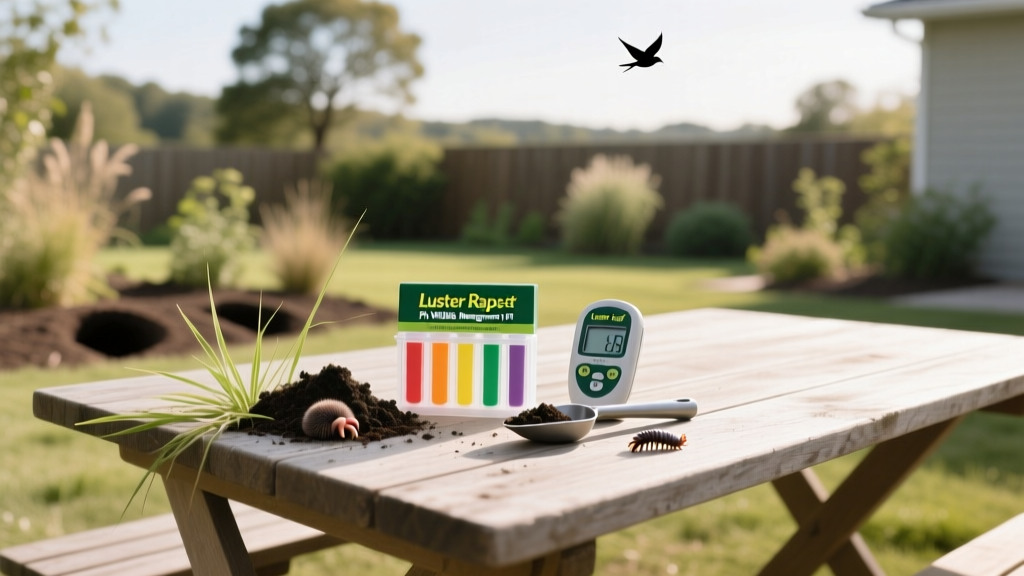
Manage Yard Wildlife With Luster Leaf Rapitest pH Kit 2026
Sarah ChenPublished
The Hidden Link Between Soil pH and Yard Wildlife
When most homeowners think about wildlife and yard animal management, they immediately consider physical barriers, repellent sprays, or ultrasonic deterrents. However, the most profound way to control the ecosystem in your backyard starts beneath the surface. Soil pH is the master variable that dictates nutrient availability, which in turn determines the vigor, species composition, and chemical defenses of your lawn and garden plants. In 2026, as suburban sprawl continues to intersect with natural habitats, understanding this subterranean food web is critical for modern lawn care.
By testing and adjusting your soil pH, you can actively discourage destructive foragers like moles, skunks, and armadillos, while simultaneously creating an inviting habitat for beneficial pollinators and songbirds. The foundation of this strategy relies on accurate, at-home testing, and the Luster Leaf Rapitest Soil Test Kit remains the gold standard for homeowners seeking immediate, reliable data without the wait times of laboratory analysis.
Why the Luster Leaf Rapitest Kit is Essential in 2026
The Luster Leaf Rapitest Soil Test Kit (Model 1601) utilizes a colorimetric capsule system that has been refined over decades, making it exceptionally user-friendly for the 2026 gardening season. While digital probes are common, they often suffer from calibration drift and struggle in dense clay or highly organic soils. The Rapitest chemical reaction method provides a stable, visual representation of your soil's hydrogen ion concentration.
For wildlife management, precision matters. A slight shift from a pH of 5.5 to 6.5 can fundamentally alter the turfgrass root depth, effectively changing the habitat suitability for soil-dwelling insects. By keeping a Rapitest kit in your garden shed, you can monitor seasonal pH fluctuations caused by acid rain, organic matter decomposition, and previous fertilizer applications, ensuring your yard remains resilient against unwanted animal intrusions.
How Soil pH Dictates Your Yard's Food Web
To manage wildlife, you must first understand what they are eating. Animals do not randomly invade your yard; they are following a food source. Soil pH controls that food source in three distinct ways:
1. Acidic Soils (pH 4.5 - 5.5)
Highly acidic soils lock up essential macronutrients like phosphorus and calcium, leading to thin, weak turfgrass. This environment is a haven for moss, clover, and certain broadleaf weeds. Clover is a primary attractant for deer and rabbits, who seek out its high protein content. Furthermore, shallow-rooted, stressed grass in acidic soil is highly susceptible to white grub infestations. According to Penn State Extension, white grubs are the primary food source that draws destructive digging animals like skunks, raccoons, and moles into suburban lawns.
2. Neutral Soils (pH 6.0 - 7.0)
This is the sweet spot for most desirable turfgrasses (like Kentucky Bluegrass, Fescue, and Bermuda) and native wildflowers. In this range, nutrients are highly available, promoting deep, robust root systems. Deep roots make the grass less palatable to surface-grazing herbivores and more resistant to grub damage. A healthy, neutral-pH lawn naturally deters moles because the soil structure is dense and the grub population is kept in check by vigorous plant health and beneficial nematodes.
3. Alkaline Soils (pH 7.5 and Above)
Overly alkaline soils cause iron chlorosis, leading to yellowing grass and stunted growth. This bare, patchy terrain attracts ground-nesting pests and provides poor forage for beneficial wildlife. It also limits the types of native berry-producing shrubs you can grow, which are essential for feeding migratory birds in the autumn.
Step-by-Step: Testing Soil pH with the Rapitest 1601 Kit
Accurate testing is the first step in ecological wildlife management. Follow these steps to ensure reliable results with your Luster Leaf Rapitest kit:
- Sample Collection: Use a clean trowel to dig 4 to 6 inches deep into the soil. Take samples from at least five different areas of your yard, avoiding spots near downspouts or recent amendment applications. Mix these samples in a clean plastic bucket.
- Prepare the Chamber: Remove the green capsule (designated for pH testing) from the Rapitest kit. Open the capsule and pour the powder into the test chamber up to the first fill line.
- Add Soil and Water: Add your mixed soil sample to the chamber up to the second fill line. Fill the chamber to the top with distilled water. (Never use tap water, as its inherent pH and dissolved minerals will skew your 2026 test results).
- Agitate and Settle: Cap the chamber and shake vigorously for 60 seconds. Allow the mixture to sit undisturbed for another 60 seconds so the soil particles can settle to the bottom.
- Read the Results: Compare the color of the suspended liquid against the Rapitest color chart. The matching hue will reveal your exact soil pH level.
Modifying pH to Deter Pests and Attract Beneficial Wildlife
Once you have your baseline pH, you can implement targeted amendments to shift the ecosystem in your favor. The goal of wildlife-friendly landscaping is to work with nature, not against it, by removing the incentives for destructive behavior.
Deterring Destructive Diggers (Moles, Skunks, Armadillos)
If your Rapitest kit reveals an acidic pH (below 6.0) and you are suffering from torn-up turf, your soil is likely harboring grubs. By applying pelletized lime to raise the pH to 6.5, you encourage deeper turf roots and create an environment where predatory beneficial nematodes can thrive. These microscopic worms naturally hunt grub larvae. Without the grubs, the moles and skunks will bypass your yard in search of easier foraging grounds, entirely eliminating the need for toxic chemical grub killers that can poison local bird populations.
Discouraging Over-Browsing Herbivores (Deer, Rabbits)
Deer and rabbits are attracted to the tender, nitrogen-rich new growth of plants struggling in poor soil, as well as the succulent leaves of clover that thrive in acidic conditions. By balancing your pH to 6.5 and overseeding with robust, deer-resistant fescue blends, you create a lawn that is physically tougher and less chemically enticing to browsing mammals.
Supporting Pollinators and Seed-Eating Birds
If your goal is to attract butterflies, native bees, and songbirds, maintaining a neutral pH is non-negotiable. Native coneflowers, milkweed, and sunflowers require a pH between 6.0 and 7.0 to produce the nectar and seeds that sustain local wildlife. The University of Minnesota Extension emphasizes that proper soil pH is the most critical factor in establishing successful native plant habitats that support declining pollinator populations.
Target pH Levels for Wildlife Management
| Target Wildlife Goal | Ideal Soil pH Range | Primary Amendment Needed | Ecological Outcome |
|---|---|---|---|
| Deter Moles & Skunks | 6.5 - 7.0 | Pelletized Lime | Reduces grub habitat; promotes deep roots |
| Discourage Deer & Rabbits | 6.2 - 6.8 | Lime / Organic Compost | Reduces clover; toughens turfgrass blades |
| Attract Native Pollinators | 6.0 - 6.8 | Elemental Sulfur (if too high) | Unlocks iron/phosphorus for native blooms |
| Support Earthworms (Bird Food) | 6.0 - 7.0 | Organic Matter / Balanced pH | Increases soil aeration and surface foraging |
Eco-Friendly Amendment Practices for Wildlife Safety
When adjusting your soil pH based on your Luster Leaf Rapitest results, the physical form of your amendments matters just as much as the chemical composition. In 2026, eco-conscious lawn care demands that we protect the very animals we are trying to manage or attract.
- Use Pelletized Lime Over Powdered Lime: Powdered agricultural lime creates fine dust that can coat the leaves of nearby plants, irritate the respiratory systems of ground-foraging birds, and wash away in the first heavy rain. Pelletized lime breaks down slowly and safely into the soil profile.
- Apply Elemental Sulfur Carefully: If your soil is too alkaline and you need to lower the pH to support acid-loving native shrubs (like blueberries or azaleas, which attract specific bird species), use elemental sulfur rather than harsh chemical acidifiers. Sulfur is a natural element that soil bacteria slowly convert into sulfuric acid over several months, providing a gentle, wildlife-safe transition.
- Time Your Applications: Apply pH amendments in the late fall or early spring. This avoids the peak nesting seasons for ground-dwelling birds and ensures that the amendments have time to integrate into the soil before the summer heat stresses your lawn and the wildlife that depends on it.
Conclusion
Wildlife and yard animal management is rarely about fighting nature; it is about guiding it. By utilizing the Luster Leaf Rapitest Soil Test Kit to monitor and adjust your soil pH, you take control of the foundational layer of your yard's ecosystem. Whether your goal in 2026 is to banish the moles tearing up your fescue, discourage deer from browsing your garden edges, or roll out the welcome mat for native pollinators, the solution begins with a simple, color-coded capsule and a deeper understanding of the soil beneath your feet.