Pest Control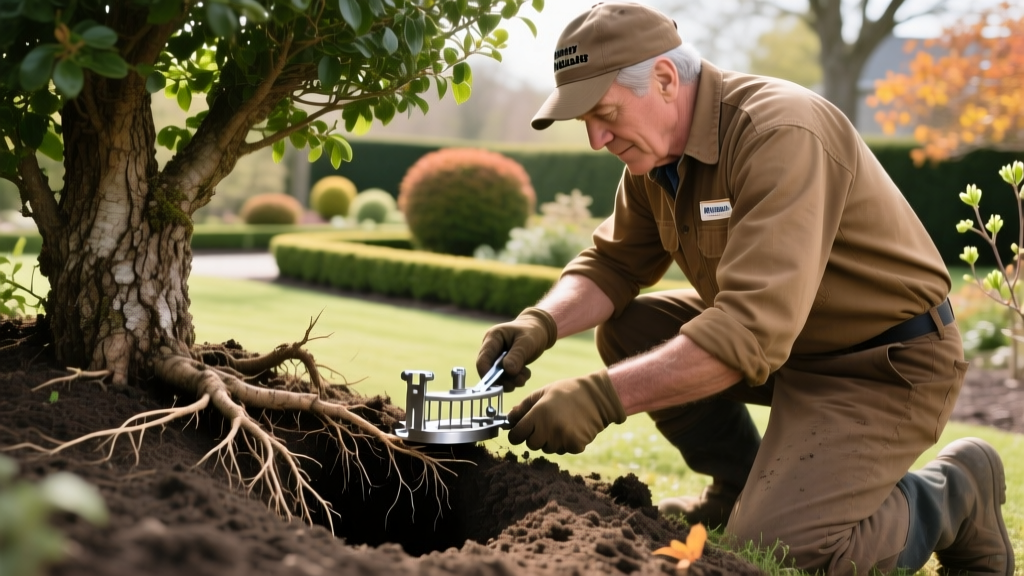
Macabee Gopher Trap Placement: 2026 Pruning & Timing
David ParkPublished
The Intersection of Pruning Methods and Gopher Activity
When homeowners and landscape professionals think about integrated pest management (IPM), they rarely consider how their horticultural maintenance schedules directly influence pest behavior. In 2026, advanced landscape IPM strategies emphasize working with your yard's natural cycles rather than against them. One of the most powerful, yet frequently overlooked, synergies in yard care is the relationship between pruning methods, seasonal timing, and gopher trap placement. Pocket gophers (Thomomys species) are subterranean herbivores that feed almost exclusively on roots, tubers, and underground plant structures. When you prune a tree, shrub, or perennial, the plant undergoes a physiological shift that can inadvertently act as a beacon for these destructive pests.
Understanding how different pruning techniques affect root growth and soil chemistry is the key to strategic trap placement. By aligning your Macabee wire trap deployment with your seasonal pruning calendar, you can intercept gophers precisely when they are most active and most attracted to your landscape plants. This comprehensive guide will break down the biology of pruning, the mechanics of the Macabee trap, and the exact timing required to protect your garden in 2026.
The Physiology of Pruning: Why Gophers Attack After You Cut
To master trap placement, you must first understand why gophers target specific areas of your yard immediately following maintenance. Plants maintain a delicate balance between their canopy (above-ground growth) and their root system (below-ground growth). When you alter the canopy through pruning, the plant reacts to restore this balance.
Heading Cuts vs. Thinning Cuts
Heading cuts involve removing the terminal end of a branch, which stimulates dense, bushy lateral growth. This sudden demand for new foliage triggers the plant to push out a flush of tender, sugar-rich feeder roots near the drip line. Gophers are highly attuned to the volatile organic compounds (VOCs) and root exudates released by these new, tender roots. If you perform heavy heading cuts on shrubs like roses, hibiscus, or fruit trees, you should immediately place Macabee traps along the plant's drip line, as this is where the new feeder roots—and the gophers—will concentrate.
Thinning cuts, on the other hand, remove entire branches back to their point of origin. This method opens the canopy and generally results in less shock to the root system, meaning fewer root exudates are released. Thinning cuts require less aggressive trapping follow-up compared to heading cuts.
Root Pruning and Transplant Shock
Root pruning is often necessary when transplanting mature trees, managing bonsai, or severing invasive roots that threaten foundations. This method creates a massive scent trail of damaged root tissue and exposed soil. According to the University of California Integrated Pest Management (UC IPM) program, gophers can detect damaged root systems from significant distances and will rapidly tunnel toward the source. Whenever you sever a root, you must treat the trench or the severed root zone as a high-priority trapping area.
Why the Macabee Wire Trap Dominates in 2026
Despite the introduction of various plastic and pneumatic traps over the decades, the classic Macabee wire trap remains the gold standard for professional landscapers and serious homeowners in 2026. Priced affordably at roughly $16 to $20 per pair, the Macabee is a two-pronged, spring-loaded wire trap that is highly effective in the tight, shallow tunnels often found near the root zones of recently pruned shrubs.
The Macabee excels in root-zone trapping because its narrow profile allows it to slide easily into the 2-to-3-inch diameter lateral tunnels that gophers dig when foraging for feeder roots. Unlike bulkier box traps, the Macabee does not require you to excavate massive amounts of soil around the delicate root systems of your prized, recently pruned plants.
| Trap Type | Best Pruning Scenario | Avg. Cost (2026) | Soil Disturbance Near Roots |
|---|---|---|---|
| Macabee Wire Trap | Lateral tunnels near pruned drip lines | $16 - $20 / pair | Low (Minimal root damage) |
| Pincer / Gophinator | Main runways after deep root pruning | $22 - $28 / pair | Moderate (Requires wider hole) |
| Victor Black Box | Surface mounds after heavy canopy thinning | $12 - $15 / pair | High (Requires tunnel modification) |
Timing Your Trapping with the Pruning Calendar
Timing is everything in pest control. Gopher activity peaks in the spring and fall when soil moisture levels are optimal for digging. Aligning your trap placement with your seasonal pruning schedule ensures you are defending your plants when they are most vulnerable.
- Late Winter (Dormant Pruning): Structural pruning of deciduous trees and shrubs occurs while the plant is dormant. Gopher activity is lower, but they are still foraging. Place traps near the base of trees where you have removed heavy structural limbs, as the plant will soon draw on root reserves to heal wounds.
- Early Spring (Growth Flush & Root Pruning): This is the most critical window. As plants break dormancy, they push new roots. If you are transplanting or root-pruning in early spring, set Macabee traps immediately. The combination of spring gopher breeding cycles and the scent of fresh root exudates makes this the highest-risk period for root loss.
- Summer (Canopy Maintenance): Light pruning to manage summer growth generally causes less root shock. However, if you prune drought-stressed plants, the roots become highly concentrated with sugars, attracting gophers seeking high-energy meals during dry months.
- Autumn (Pre-Dormancy Prep): Fall is the second peak season for gopher activity. Pruning perennials back for winter stimulates a final flush of root storage. Deploy traps along perennial beds immediately after cutting back foliage.
Step-by-Step Macabee Placement Near Pruned Root Zones
Proper placement of the Macabee trap requires precision, especially when working around the sensitive root zones of plants you have just pruned. Follow these steps to ensure a high catch rate without damaging your landscape.
Step 1: Locate the Lateral Foraging Tunnel
Gophers dig deep main runways (12 to 18 inches down) and shallower lateral tunnels (3 to 6 inches down) to feed on roots. After pruning a shrub, look for fresh, fan-shaped soil mounds near the drip line. Use a gopher probe to locate the lateral tunnel. Push the probe into the soil near the fresh mound, angling it toward the plant's root zone. When the probe suddenly drops 2 to 3 inches, you have found the tunnel.
Step 2: Excavate Carefully
Using a narrow trowel, carefully dig down to the tunnel. Because you are working near a recently pruned plant, avoid severing any major structural roots. Clear the soil from the tunnel floor so the Macabee trap will sit flush. The tunnel should be clear of debris for at least 6 inches in both directions.
Step 3: Set and Secure the Macabee
Compress the springs of the Macabee trap and engage the safety catch. Attach a wire cable and a landscape flag to the trap's anchor ring—this is crucial for locating the trap if the gopher drags it. Place the trap into the tunnel, ensuring the trigger pan faces the direction from which the gopher will approach (usually facing away from the main runway and toward the fresh plant roots).
Step 4: Block the Light and Airflow
Gophers are highly sensitive to light and drafts. If they detect an open hole, they will simply plug it with soil from behind, bypassing or burying your trap. Use a piece of cardboard or a specialized tunnel block to cover the opening, and gently bury the edges with loose soil. Ensure no light enters the tunnel. The Colorado State University Extension emphasizes that light exclusion is one of the most critical factors in successful trapping.
Safety and IPM Best Practices for 2026
When integrating trapping into your pruning routine, always prioritize safety and environmental stewardship. Wear heavy leather gloves when setting Macabee traps to protect your fingers from the powerful springs. Never place traps in areas where children or pets play; always use bright flags to mark trap locations. Furthermore, as part of a holistic 2026 IPM strategy, consider planting gopher-resistant species like lavender, rosemary, or daffodils around the perimeter of your most vulnerable, heavily pruned specimen trees. By combining smart pruning methods, precise seasonal timing, and the reliable Macabee wire trap, you can maintain a pristine, healthy landscape free from subterranean destruction.