Pest Control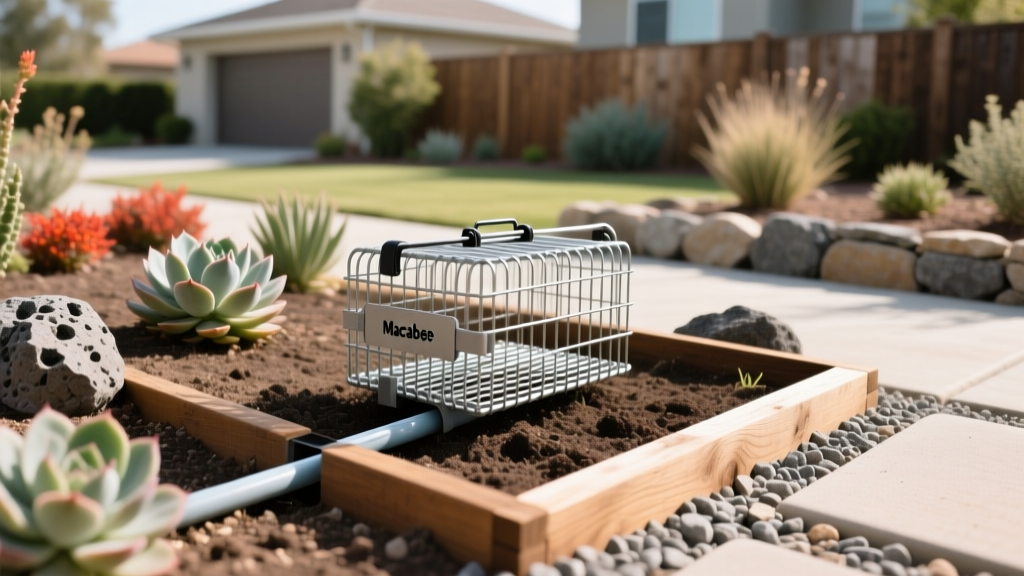
Macabee Gopher Trap Placement For Fire-Resistant Yards In 2026
David ParkPublished
The Hidden Threat to Your Fire-Resistant Landscape
In 2026, creating a fire-resistant landscape is one of the most vital investments a homeowner can make, especially in fire-prone regions across the western United States. We focus heavily on selecting high-moisture plants, installing non-combustible hardscaping, and maintaining strict defensible space zones to protect our homes. However, there is a subterranean threat that can silently unravel months of careful fire-safe planning: the pocket gopher. When gophers invade your yard, they do more than just create unsightly mounds; they actively destroy the very root systems and irrigation networks that keep your fire-resistant landscape hydrated and fire-retardant.
Pocket gophers are drawn to the loose, well-amended soil typically used in fire-resistant garden beds. They feast on the roots of popular fire-safe plants such as Agave, Aloe, Rockrose, and native shrubs like Ceanothus and Salvia. When a gopher severs the root system of a high-moisture succulent or shrub, the plant rapidly dies and dries out. In the context of CAL FIRE Defensible Space guidelines, a dead, dry shrub in Zone 1 (the critical 5 to 30-foot perimeter around your home) is no longer a fire-resistant asset; it is a highly flammable fuel source. Furthermore, gophers routinely chew through underground polyethylene drip irrigation lines. Without water, your carefully curated fire-safe plants lose their moisture content, rendering your entire landscaping strategy ineffective during a dry spell.
Why the Macabee Wire Trap is Ideal for Fire-Safe Zones
To protect your landscape without introducing toxic chemicals that could harm soil ecology or pose secondary environmental risks, the Macabee wire trap remains the gold standard in 2026. The Macabee is a time-tested, heavy-duty steel trap that relies on mechanical tension rather than poisons. According to the University of California Integrated Pest Management (UC IPM) program, trapping is the most effective and environmentally sound method for controlling pocket gopher populations. Because it requires no chemical baits, the Macabee trap ensures that your soil remains safe for replanting fire-resistant groundcovers immediately after the pest is removed. A standard pair of Macabee traps costs between $18 and $24 in 2026, making it a highly cost-effective intervention compared to replacing a destroyed drip irrigation system or losing mature, fire-resistant trees.
Step-by-Step Macabee Trap Placement Guide
Proper placement is the difference between a successful catch and a frustrated afternoon. Follow these precise steps to set your Macabee traps in your fire-safe garden beds.
Step 1: Locate the Main Run
Gophers create lateral tunnels that branch off a deeper main run. To find the main run, look for two or more fresh, fan-shaped dirt mounds. The main run typically connects these mounds and lies 8 to 12 inches below the surface, running parallel to the ground. Use a metal gopher probe to push into the soil between the mounds. When the probe suddenly drops 2 to 3 inches, you have found the tunnel. Mark this spot. In fire-resistant landscapes, be careful not to probe directly through the root balls of your valuable succulents or deep-rooted shrubs; probe in the adjacent mulch or soil paths.
Step 2: Excavate the Tunnel
Using a narrow trowel or a specialized gopher shovel, carefully dig down to the tunnel you marked. You need to expose a clean, open section of the tunnel about 4 to 6 inches long. Remove all loose dirt from the bottom of the tunnel so the trap will sit flush and level. If dirt falls into the tunnel further down, gently scoop it out. A clean tunnel floor ensures the Macabee trap will trigger properly when the gopher pushes through to investigate the breach.
Step 3: Set the Macabee Traps
Always set two Macabee traps back-to-back, facing opposite directions, because you do not know which way the gopher will approach the breach. To set a Macabee trap safely:
- Squeeze the two heavy wire springs together at the base of the trap.
- While holding the springs pinched, pull the catch wire over the springs and hook it into the small notch on the trigger plate.
- Attach a 2-foot piece of bailing wire or strong twine to the small ring at the back of the trap. This is crucial for retrieving the trap and ensuring a gopher does not drag it deep into the burrow.
- Place one trap facing left and one facing right inside the exposed tunnel.
Step 4: Secure and Cover
Tie the retrieval wires to a sturdy metal stake or a heavy rock on the surface. Gophers are incredibly strong and can pull an unsecured trap deep into their burrow system. Once secured, you must block out the light. Gophers will plug any hole that lets in light or air with dirt, which can trigger the trap prematurely or allow them to bypass it. Cover the excavated hole with a plastic bucket, a piece of plywood, or a large dirt clod. Do not bury the traps in loose soil; simply block the light and weather while allowing the trap to remain exposed inside the tunnel.
Macabee Placement Metrics for Defensible Space Zones
When managing pests in a fire-resistant landscape, your trapping strategy should align with your defensible space zones. The table below outlines how to prioritize your Macabee trap placement based on the specific fire-safety requirements of each zone in 2026.
| Defensible Space Zone | Plant Focus & Fire Risk | Gopher Activity Risk | Macabee Trap Density Recommendation |
|---|---|---|---|
| Zone 0 (0-5 ft) | Hardscape, gravel, pavers, sparse succulents | Low (few roots, poor tunneling medium) | 1 trap per active mound; prioritize sealing tunnels under gravel. |
| Zone 1 (5-30 ft) | High-moisture shrubs, drip lines, spaced trees | High (rich soil, active roots, water sources) | 2 traps per main run; check every 48 hours to protect irrigation. |
| Zone 2 (30-100 ft) | Native grasses, spaced oaks, low groundcover | Moderate (wider area, natural soil) | 2 traps per main run; focus on mounds near woody tree roots. |
Protecting Drip Irrigation and Deep-Rooted Shrubs
In modern fire-resistant landscaping, overhead sprinklers are often replaced with subsurface drip irrigation to conserve water and reduce fungal diseases. Unfortunately, gophers frequently mistake the condensation on drip lines for a water source and will chew through the tubing. When setting your Macabee traps in Zone 1, pay special attention to areas where the soil is consistently moist from your drip emitters. If you find a gopher mound directly adjacent to a drip line, excavate carefully to avoid severing the line yourself. Once the gopher is trapped and removed, consider installing wire mesh gopher baskets around the root zones of your most valuable fire-resistant plants, such as mature Coast Live Oaks or large Agave specimens, to prevent future subterranean attacks.
Post-Trap Soil Repair for Fire Safety
After successfully trapping the gopher, your work is not entirely finished. The excavated hole and the surrounding gopher mounds must be properly repaired to maintain the integrity of your fire-safe yard. Gopher mounds can smother low-growing, fire-resistant groundcovers like creeping thyme or ice plant, killing them and leaving bare soil where invasive, highly flammable weeds like cheatgrass can take over. Use a rake to spread the mound soil thinly or remove it to your compost pile. Fill the trap hole with native soil and tamp it down firmly. In defensible space zones, leaving deep divots or loose piles of dry dirt can create micro-environments where wind-blown embers accumulate and smolder. By restoring a smooth, graded soil surface, you ensure that your hardscaping and garden beds remain optimized for ember resistance.
Conclusion
Maintaining a fire-resistant landscape in 2026 requires vigilance both above and below the soil line. Pocket gophers pose a severe, often overlooked threat to the hydration and structural integrity of your defensible space. By utilizing the Macabee wire trap, you can swiftly and humanely eliminate these pests without resorting to chemicals that disrupt your soil ecology. Regular monitoring, precise trap placement, and immediate soil repair will ensure your fire-safe plants remain lush, hydrated, and ready to defend your home against the threat of wildfire.