Pest Control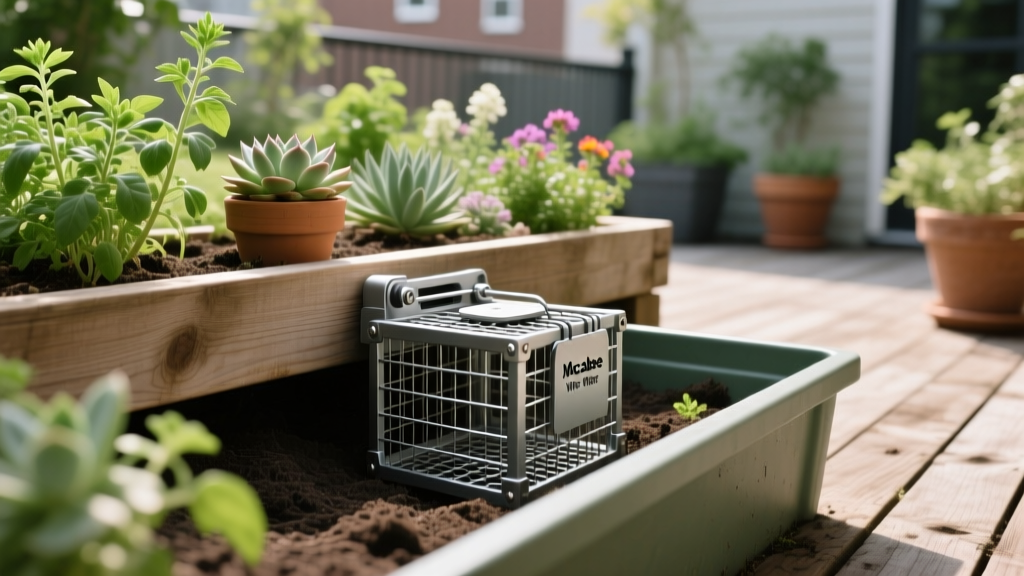
Macabee Gopher Trap Placement for Container Gardens 2026
Sarah ChenPublished
The Hidden Threat to Your Container Garden
Container gardening is frequently championed as a sanctuary from soil-borne diseases and burrowing pests. When you elevate your plants into terracotta pots, ceramic planters, or raised wooden beds, you naturally assume your root systems are safe from the subterranean world. However, as we navigate the 2026 growing season, experienced patio and container gardeners know that pocket gophers remain a formidable threat to outdoor potted setups. While a gopher will not climb into your pot to eat your prized heirloom tomatoes, their relentless tunneling can severely undermine large containers, causing heavy pots to tilt, crack, or collapse entirely.
For container gardeners dealing with these destructive rodents, the Macabee wire trap remains the undisputed gold standard for eradication. Mastering Macabee gopher trap placement specifically around container gardens, patio hardscapes, and sunken planters requires a unique approach compared to traditional open-field trapping. This comprehensive guide will walk you through the exact strategies needed to protect your potted oasis in 2026.
Why Gophers Target Potted Plants and Raised Beds
To effectively place a trap, you must first understand why gophers are drawn to your container garden in the first place. Pocket gophers are highly sensitive to soil moisture and the subtle vibrations of root growth. In a typical xeriscaped or dry yard, the area directly beneath and surrounding your large outdoor containers becomes an irresistible oasis.
- Moisture Runoff: When you water large half-barrels or 20-gallon patio pots, the nutrient-rich, moisture-laden runoff seeps into the soil directly below. Gophers will intentionally route their lateral tunnels toward this consistent water source.
- Sunken Containers: Many gardeners in frost-prone regions sink their pots directly into the ground up to the rim to insulate the roots. Gophers frequently use the loose backfill soil around these sunken pots as a primary highway, occasionally breaking through the drainage holes and pulling the plant down into the tunnel.
- Hardscape Undermining: Heavy stone or concrete planters placed on patios can settle unevenly if a gopher excavates a main tunnel directly beneath the paving stones, leading to cracked pots and ruined hardscaping.
The Macabee Wire Trap: A 2026 Staple
First invented in the late 1800s, the Macabee trap has seen minor metallurgical and spring-tension refinements over the decades, but its core U-shaped wire design remains unchanged because it simply works. As of 2026, a standard two-pack of Macabee traps retails for approximately $18 to $24, making it one of the most cost-effective and reliable Integrated Pest Management (IPM) tools available to home gardeners.
Unlike box traps or choke-loop traps that require the gopher to enter a specific dark tunnel, the Macabee is a pincer-style trap placed directly in the main or lateral tunnel. When the gopher attempts to push soil to plug the draft of light entering the excavated hole, it trips the trigger wire, snapping the U-loop shut.
Step-by-Step Macabee Trap Placement for Containers
Placing a trap near a container garden requires precision to avoid damaging the root zones of your potted plants while intercepting the gopher's approach. Follow these steps for optimal placement.
Step 1: Locate the Lateral Tunnel
Gophers dig a main tunnel (usually 6 to 12 inches deep) and branch off with lateral tunnels to the surface to push out soil mounds. Near large containers, look for fresh, fan-shaped mounds of dirt on the periphery of your patio or planter boxes. Use a slender metal gopher probe to locate the lateral tunnel. Insert the probe at a 45-degree angle about 8 to 12 inches away from the base of the container, aiming toward the fresh mound. You will feel a sudden 'drop' when the probe enters the tunnel, which is typically 2 to 3 inches in diameter.
Step 2: Excavate and Clear the Opening
Once you have located the tunnel, use a narrow trowel or a specialized gopher digging tool to carefully excavate the soil until you expose the tunnel's cross-section. Be incredibly gentle if you are working near a sunken pot or a raised bed to avoid severing the plant's taproots. Clear out loose dirt from the bottom of the tunnel so the trap will sit completely flush and level.
Step 3: Set the Macabee Trap Safely
Safety is paramount. The springs on a 2026 Macabee trap are highly tensioned. 1. Compress the two spring coils together and secure them with the provided safety clip or a piece of heavy wire. 2. Pull the U-loop back and engage the trigger mechanism by hooking the trigger wire over the release bar. 3. Ensure the trigger pan is sensitive but not so loose that a slight breeze will set it off.
Step 4: Placement and Securing
Slide the set trap into the opened tunnel. The U-loop should face inward, toward the container or the direction you suspect the gopher is approaching from. The trigger pan must rest gently on the floor of the tunnel. Block any excess light or gaps around the trap with loose, dry soil or a piece of cardboard, ensuring no dirt falls onto the trigger pan. Finally, attach a heavy-duty wire cable or bright paracord to the trap's anchor ring and tie it to the base of your heavy container or a nearby patio stake. This prevents a wounded gopher from dragging the trap deep into the tunnel system.
Container Setup Trap Placement Chart
Different container setups require slight adjustments to your trapping strategy. Use the chart below to tailor your Macabee placement in 2026.
| Container Type | Probe Distance from Pot Base | Trap Orientation | Anchor Point Strategy |
|---|---|---|---|
| Freestanding Large Pots (15+ Gallons) | 12 - 18 inches | Facing away from pot (intercepting approach) | Loop cable around the pot's base or heavy saucer |
| Sunken Pots (Buried to Rim) | 6 - 10 inches | Facing the sunken pot's drainage zone | Stake into the ground 3 feet away; do not tie to the pot rim |
| Wooden Raised Planter Boxes | 4 - 6 inches from exterior wall | Parallel to the planter wall | Screw an eye-hook into the planter's exterior wood base |
| Patio Hardscape (Pavers under pots) | Remove paver, probe sub-base | Facing the main tunnel run | Anchor to a heavy, immovable adjacent planter |
Pro Tips for 2026 Container Gardeners
To maximize your success rate when defending your potted plants, consider these advanced tips recommended by pest control professionals this year:
- Adjust Your Watering Schedule: Gophers are drawn to the moisture under your pots. If you are actively trapping, temporarily switch to deep, infrequent watering using a drip line routed away from the pot's edge, rather than overhead watering that floods the soil directly beneath the container.
- Use the 'Two-Trap' Method: Gophers plug tunnels quickly. When you open a lateral tunnel near your container, place one Macabee trap facing the main tunnel, and a second trap facing the opposite direction. This covers both escape and approach routes.
- Check Traps at Dawn and Dusk: Pocket gophers are most active during the cooler parts of the day. Checking your traps early in the morning and just before sunset ensures you can reset them quickly and prevent scavengers from disturbing your catch.
Safety and Pet Precautions
While the Macabee trap is highly effective, it poses a severe pinching hazard to curious pets and children. When trapping around patio containers and raised beds—areas frequently accessed by humans and animals—safety protocols must be strictly followed.
Always cover the excavated trap hole with a sturdy piece of plywood, a heavy paving stone, or a specialized trap cover box. This blocks sunlight (which triggers the gopher to plug the hole) and prevents a dog's paw or a child's hand from reaching the tensioned springs. Furthermore, always use a brightly colored flag or a high-visibility stake tied to your anchor cable. If a trap is triggered and pulled slightly into the soil, the flag will help you locate it immediately without having to blindly reach into the dirt near your prized container plants.
By understanding the unique relationship between container irrigation, hardscape stability, and gopher tunneling behavior, you can effectively deploy the Macabee wire trap to keep your 2026 patio garden thriving, level, and entirely pest-free.