Pest Control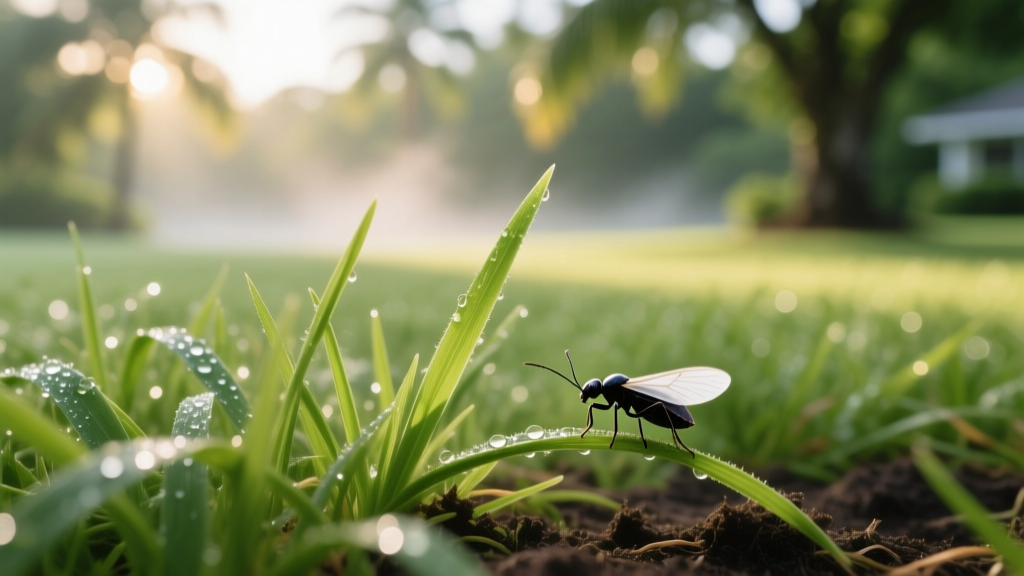
Managing Southern Chinch Bugs In Hot Humid Climates
David ParkPublished
The Southern Chinch Bug Threat in the Sunbelt
For homeowners in the Sunbelt—stretching from the coastal plains of Texas through the Gulf Coast and down into the Florida peninsula—the Southern chinch bug (Blissus insularis) represents one of the most destructive lawn pests in existence. Unlike general lawn pests that might nibble on roots or leaves, the Southern chinch bug specifically targets St. Augustinegrass, the most popular warm-season turf in these hot, humid regions. When left unchecked, these tiny insects can turn a lush, emerald-green lawn into a desiccated, brown wasteland in a matter of weeks.
Managing this pest requires more than a generic approach; it demands a deep understanding of how regional heat, high humidity, and local turfgrass cultivars interact to create the perfect storm for infestations. In this comprehensive regional guide, we will explore the biology of the Southern chinch bug, how the subtropical climate accelerates their life cycle, and the most effective Integrated Pest Management (IPM) strategies tailored specifically for Southern lawns.
Identifying Southern Chinch Bug Damage
The Southern chinch bug is a tiny insect, measuring only 1/8 to 1/5 of an inch in length. Adults are black with opaque white wings that feature a distinctive triangular black marking. However, it is the nymphs that often cause the most rapid damage. Nymphs begin as bright orange with a white transverse band across their abdomen, gradually darkening to black as they progress through five developmental instars.
Damage typically first appears in open, sunny areas of the lawn, particularly near heat-radiating surfaces like concrete driveways, sidewalks, and curbs. The insects feed by piercing the grass blades and stems with their needle-like mouthparts and sucking out the plant juices. More destructively, they inject a salivary fluid that contains phytotoxins. These toxins clog the plant's vascular system, preventing the transport of water and nutrients.
According to turfgrass entomologists, the most common mistake homeowners make is treating the lawn for drought stress when the turf is actually suffering from chinch bug salivary toxicity. The symptoms look nearly identical, but watering an infested lawn will not cure the damage.
How Hot, Humid Climates Accelerate Infestations
The regional climate of the Deep South and Gulf Coast plays a massive role in chinch bug population dynamics. Temperature directly dictates the speed of their life cycle and the number of generations produced per year. In the cooler transitional zones of North Texas or the Florida Panhandle, chinch bugs may produce three to four generations annually. However, in the subtropical heat of South Florida or the humid coastal bends of Texas, they can produce up to seven to ten overlapping generations per year.
High humidity combined with temperatures between 80°F and 95°F creates optimal conditions for egg hatching and nymphal survival. Furthermore, Southern summers are frequently punctuated by periods of drought stress. When St. Augustinegrass is water-stressed, its natural defenses are lowered, and it cannot outgrow the feeding damage caused by the bugs. The synergy between intense solar radiation, high heat, and sporadic summer droughts makes the Sunbelt particularly vulnerable to explosive chinch bug outbreaks between late May and early September.
The Coffee Can Float Test: Regional Monitoring
Before applying any chemical treatments, it is crucial to confirm the presence of chinch bugs and determine if the population exceeds the economic threshold. Because they are small and hide in the thatch layer, the most effective monitoring method is the "Coffee Can Float Test."
- Step 1: Take a large metal coffee can and remove both the top and bottom lids using a can opener.
- Step 2: Push the can into the soil at the margin of a damaged area (where healthy green grass meets the yellowing/dying grass). Push it down about 2 to 3 inches into the soil to create a seal.
- Step 3: Fill the can with water and wait for 5 minutes.
- Step 4: Count the number of chinch bugs that float to the surface.
If you count 20 to 25 chinch bugs per square foot (or roughly 4 to 5 in a standard coffee can), the population has reached the threshold where treatment is necessary to prevent severe turf loss.
Integrated Pest Management (IPM) for Southern Lawns
Effective control in hot, humid climates relies on an Integrated Pest Management approach that combines cultural, biological, and chemical strategies.
Cultural Controls and Turf Selection
Chinch bugs thrive in lawns with thick thatch layers. Thatch provides a humid, protected environment that shields the bugs from predators and prevents contact insecticides from reaching the soil surface. In the humid South, St. Augustinegrass can produce thatch rapidly. Core aeration and vertical mowing (dethatching) in the spring are essential cultural practices.
Irrigation management is equally critical. Water your lawn deeply but infrequently, applying 0.5 to 0.75 inches of water per session. This encourages deep root growth and reduces the surface-level humidity that favors chinch bug reproduction. Additionally, consider planting resistant or tolerant cultivars. While 'Floratam' St. Augustinegrass was historically highly resistant to chinch bugs, some regional biotypes in Florida have developed resistance to it. Newer cultivars like 'Seville', 'DelMar', and 'Provvidens' offer excellent tolerance and should be considered when renovating a chronically infested Southern lawn.
Biological Control Agents
The Southern ecosystem is home to several natural enemies of the chinch bug. Big-eyed bugs (Geocoris spp.), minute pirate bugs, and certain parasitic wasps prey heavily on chinch bug eggs and nymphs. To conserve these beneficial insects, avoid the prophylactic use of broad-spectrum insecticides early in the spring. If you spot big-eyed bugs (which are slightly larger than chinch bugs and have distinctly bulging eyes) patrolling your turf, hold off on chemical sprays until the pest population crosses the damage threshold.
Chemical Interventions: Timing and Products
When cultural and biological controls are insufficient, targeted chemical interventions are required. In the South, timing is everything. Applications should target the nymphal stages, as adults are more mobile and harder to kill with contact sprays. Due to the overlapping generations in humid climates, a single application is rarely enough; a second application 14 to 21 days later is often required to break the life cycle.
It is also vital to rotate active ingredients. The Southern chinch bug has a documented history of developing resistance to pyrethroids and neonicotinoids. By alternating chemical classes, you preserve the efficacy of these vital tools.
| Active Ingredient | Product Type | Target Life Stage | Best Regional Application Window | Regional Considerations |
|---|---|---|---|---|
| Bifenthrin | Contact Pyrethroid | Nymphs / Adults | April - May (Spring emergence) | Provides rapid knockdown but requires thorough watering-in to bypass thick Southern thatch layers. |
| Imidacloprid | Systemic Neonicotinoid | Nymphs | May - June (Early nymphal activity) | Absorbed by the grass roots and translocated to the blades. Excellent for early-season prevention in high-heat zones. |
| Clothianidin | Systemic Neonicotinoid | Nymphs / Adults | June - August (Peak summer heat) | Offers longer residual control during the peak of the Gulf Coast summer when generations overlap heavily. |
| Azadirachtin | Organic Growth Regulator | Nymphs | Year-round (Spot treatments) | Derived from neem oil; disrupts molting. Best used in organic IPM programs for minor, localized infestations. |
Seasonal Prevention Calendar for the Gulf Coast
To stay ahead of the Southern chinch bug, align your lawn care routine with the regional climate shifts:
- Early Spring (March - April): Dethatch and aerate your St. Augustine lawn. Apply a slow-release, low-nitrogen fertilizer. High nitrogen levels in the spring promote rapid, succulent leaf growth that is highly attractive to emerging chinch bugs.
- Late Spring (May): Begin weekly monitoring using the coffee can test near driveways and sidewalks. Apply systemic preventative treatments if your lawn has a history of severe infestations.
- Peak Summer (June - August): Monitor irrigation systems closely. Ensure you are delivering 0.75 inches of water per watering session to combat drought stress. Spot-treat active outbreaks with rotated contact insecticides.
- Early Fall (September - October): As temperatures begin to drop, chinch bug activity slows. Reduce watering frequency and prepare the lawn for winter dormancy. Clean up lawn debris to eliminate overwintering sites for adult bugs.
Conclusion and Expert Resources
Defending your St. Augustinegrass against the Southern chinch bug requires vigilance, proper lawn maintenance, and strategic chemical use tailored to the hot, humid realities of the Sunbelt. By understanding the environmental triggers that lead to outbreaks and utilizing the coffee can test to monitor thresholds, you can protect your turf without over-relying on harsh chemicals.
For further reading and localized extension data, consult the following authoritative resources:
- University of Florida IFAS Extension: Southern Chinch Bug - Detailed biology and regional resistance data for Florida turfgrasses.
- Texas A&M AgriLife Extension: Chinch Bugs - Management strategies specific to Texas climates and St. Augustinegrass.
- EPA Safe Pest Control - Guidelines on the safe handling, application, and environmental impact of lawn pesticides.