Pest Control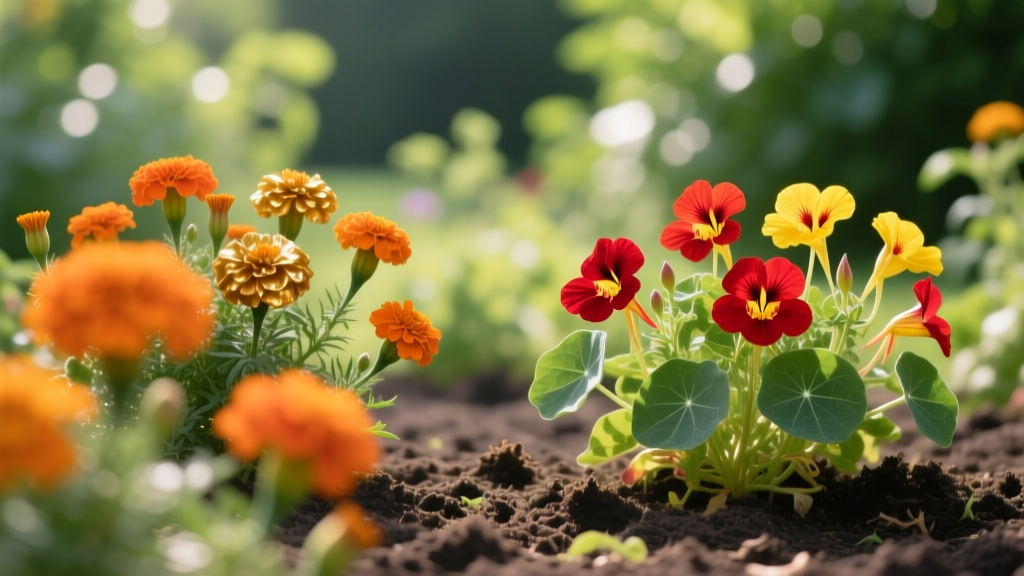
Fertilizing Marigold & Nasturtium Companions for 2026 Pest Control
Robert HayesPublished
The Hidden Link Between Fertilizer and Botanical Pest Resistance
As we navigate the 2026 growing season, integrated pest management (IPM) has evolved far beyond simply planting a few marigolds and hoping for the best. Gardeners and commercial growers alike are recognizing that the biochemical defenses of pest-resistant plant varieties—specifically marigold and nasturtium companion plants—are directly tied to their nutritional profiles. While these plants are famous for repelling nematodes, deterring whiteflies, and acting as trap crops for aphids, their efficacy plummets if their fertilizer schedules are mismanaged.
The core principle to understand in 2026 is that over-fertilization, particularly with synthetic nitrogen, dilutes the essential oils and secondary metabolites that make these companions effective. According to the University of Minnesota Extension, marigolds thrive in moderate soil conditions, and excessive nutrients can lead to lush foliage at the expense of the thiophenes and terpenes required for pest deterrence. This guide details the exact fertilizer types, N-P-K ratios, and application schedules needed to maximize the pest-control capabilities of your marigold and nasturtium companions this year.
Why High Nitrogen Destroys Companion Plant Defenses
Before diving into the specific schedules, it is crucial to understand the biochemistry of plant defense. When you apply high-nitrogen fertilizers (such as standard 20-10-10 synthetic blends), plants rapidly produce amino acids and simple sugars to fuel vegetative growth. Unfortunately, these exact compounds are what sap-sucking pests like aphids, thrips, and whiteflies crave.
Furthermore, the metabolic pathway that produces nitrogen-rich amino acids competes with the shikimic acid pathway, which is responsible for producing defensive compounds like glucosinolates (found in nasturtiums) and thiophenes (found in marigold roots). By shifting your 2026 fertilizer strategy toward low-nitrogen, high-phosphorus, and potassium-rich organic amendments, you force the plant to invest its energy into chemical defenses and robust root exudates rather than vulnerable, sappy leaf tissue.
2026 Marigold Fertilizer Schedule for Maximum Nematode Control
Marigolds (Tagetes species) are primarily utilized in IPM for their root exudates, which are toxic to root-knot nematodes, and their aerial terpenes, which mask the scent of vulnerable vegetable crops. To optimize these traits, follow this specific fertilization timeline.
Phase 1: Pre-Planting Soil Amendment (Early Spring 2026)
Marigolds do not require rich soil. In fact, planting them in heavily amended beds often reduces their pest-repelling potency. Before transplanting your marigold companions, test your soil. If your organic matter is above 4%, skip base fertilizers entirely. If your soil is heavily depleted or sandy, incorporate a slow-release, low-nitrogen organic amendment.
- Recommended Product: Espoma Organic Bone Meal (4-12-0). Apply at a rate of 2 pounds per 100 square feet.
- Cost Estimate: Approximately $14 per 4-pound bag in 2026.
- Action: Work into the top 6 inches of soil two weeks before transplanting to encourage deep root development where nematode interaction occurs.
Phase 2: Vegetative Growth and Establishment (Weeks 1-4)
During the first month after transplanting, the goal is root establishment, not top growth. Avoid liquid nitrogen feeds. Instead, use a kelp-based foliar spray or soil drench to provide trace minerals and cytokinins that boost stress tolerance without triggering aphid-attracting sap production.
- Recommended Product: Neptune's Harvest Organic Seaweed Plant Food (0-0-1).
- Schedule: Apply as a soil drench at half-strength every 14 days.
Phase 3: Peak Bloom and Root Exudate Phase (Weeks 5-Harvest)
Once the marigolds begin to set buds, their demand for potassium increases. Potassium is vital for the synthesis of the essential oils that deter above-ground pests like whiteflies and Japanese beetles. Switch to a high-potassium organic liquid fertilizer.
- Recommended Product: Sul-Po-Mag (0-0-22) or a liquid kelp and sulfate of potash blend.
- Schedule: Apply once at the onset of blooming, then cease fertilization for the remainder of the season. The University of California Statewide IPM Program notes that mature marigolds require virtually no supplemental feeding to maintain their defensive exudates.
2026 Nasturtium Fertilizer Schedule for Trap Cropping
Nasturtiums (Tropaeolum majus) serve a different role in the garden. Unlike marigolds, which repel, nasturtiums are frequently used as trap crops. They attract aphids and cabbage worms away from your prized brassicas and tomatoes. However, a dead or stunted trap crop cannot protect your garden. The NC State Extension Plant Toolbox highlights that while nasturtiums can grow in poor soil, maintaining their vigor as a sacrificial trap crop requires a nuanced approach to fertility.
The "Poor Soil" Myth in Modern IPM
Old gardening adages suggest nasturtiums should be starved to produce more flowers. While it is true that high nitrogen produces all leaves and no flowers, a completely starved nasturtium will succumb to the very aphid colonies it is meant to trap. In 2026, the IPM standard is to feed nasturtiums just enough to sustain continuous growth and flowering, ensuring they remain an attractive, living sink for pests throughout the summer.
Sustaining the Trap Crop Schedule
- Pre-Planting: Direct sow nasturtium seeds in unamended soil. Do not add compost or manure to the planting hole.
- Vegetative Stage: No fertilizer required for the first 30 days.
- Trap Crop Maintenance (Mid-Summer): Once the nasturtiums are heavily infested with aphids (acting as a successful trap), they will experience severe physiological stress. To keep the plant alive so it continues drawing pests away from your main crops, apply a mild, balanced organic liquid feed.
- Recommended Product: FoxFarm Grow Big Liquid Plant Food (6-4-4) diluted to one-quarter strength.
- Schedule: Apply every 21 days only if the trap crop shows signs of collapsing under pest pressure.
Comparative Guide: Fertilizer Types and Pest Efficacy
Choosing the right nutrient profile is critical for maintaining the biochemical integrity of your companion plants. The table below outlines how different fertilizer types impact the pest-control efficacy of marigolds and nasturtiums in the 2026 garden.
| Fertilizer Type (N-P-K) | Effect on Marigold (Repellent) | Effect on Nasturtium (Trap Crop) | IPM Recommendation |
|---|---|---|---|
| High Nitrogen (e.g., 24-8-16) | Reduces root thiophenes; attracts aphids to tender new growth. | Produces excessive foliage, fewer flowers; highly attractive to aphids but plant may burn. | Avoid. Ruins defense mechanisms and creates pest hotspots. |
| High Phosphorus (e.g., 4-12-0) | Stimulates deep root growth, maximizing nematode-toxic exudates. | Promotes strong root anchoring; neutral effect on aerial pests. | Use at planting. Ideal for pre-transplant soil incorporation. |
| High Potassium (e.g., 0-0-22) | Boosts essential oil and terpene production for aerial deterrence. | Improves drought and pest-stress tolerance in trap crops. | Use at blooming. Essential for peak pest-control performance. |
| Trace Minerals / Kelp (0-0-1) | Enhances overall plant immunity and cell wall thickness. | Supports continuous flowering to maintain trap crop attraction. | Use as foliar. Best for mid-season maintenance without N-spike. |
Synergizing Fertilizer Schedules with Garden IPM
Fertilizing your marigold and nasturtium companions correctly does more than just protect the plants themselves; it amplifies your entire garden's IPM strategy. When marigolds are fed a high-potassium, low-nitrogen diet, their dense, resinous foliage provides excellent micro-habitats for beneficial predatory insects like minute pirate bugs and lady beetles. These beneficials use the marigolds as a staging area before moving into your vegetable beds to hunt thrips and mites.
Similarly, a properly sustained nasturtium trap crop prevents the sudden population crashes that occur when a starved trap crop dies off in July. If a trap crop dies prematurely, the thousands of aphids it harbored will immediately migrate to your tomatoes, peppers, and brassicas, causing a catastrophic secondary infestation. By utilizing the mild, targeted fertilizer schedules outlined above, you ensure the trap crop survives the entire growing season, effectively locking the pest population away from your harvest.
Final Thoughts for the 2026 Season
As we continue to refine organic and ecological gardening methods in 2026, the integration of plant nutrition and pest management is paramount. Marigolds and nasturtiums are not magic bullets; they are living biochemical factories that require specific raw materials to produce their defensive compounds. By abandoning high-nitrogen synthetic fertilizers and embracing targeted, low-N organic amendments like bone meal, kelp, and sulfate of potash, you empower your companion plants to reach their full pest-repelling potential. Stick to the schedules provided, monitor your trap crops for stress, and let the natural chemistry of well-fed companion plants do the heavy lifting in your garden's pest control strategy.