Pest Control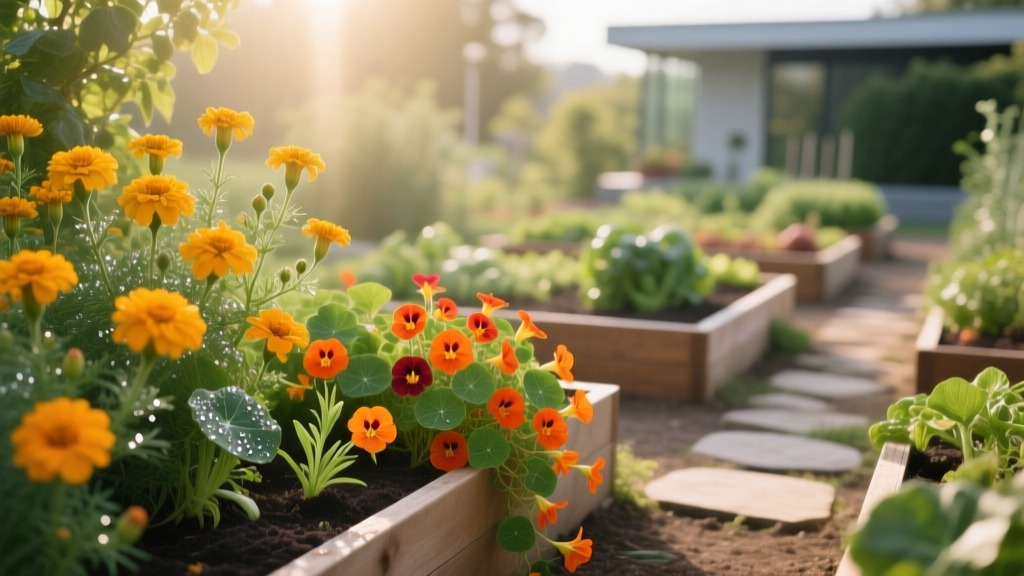
Foodscaping 2026: Marigold & Nasturtium Companion Guide
Robert HayesPublished
The Rise of Foodscaping and Natural Pest Management in 2026
As we navigate the 2026 growing season, the integration of aesthetics and agriculture—commonly known as foodscaping—has evolved from a niche gardening trend into a mainstream landscape design standard. Homeowners and urban farmers alike are moving away from sterile, chemically dependent ornamental beds, opting instead for vibrant, edible landscapes that produce food while supporting local ecosystems. However, cultivating a thriving edible landscape requires a robust integrated pest management (IPM) strategy. This is where the dynamic duo of companion planting comes into play: marigolds and nasturtiums.
Unlike traditional chemical pesticides that indiscriminately wipe out both harmful and beneficial insects, companion planting leverages natural plant defenses and ecological relationships. According to the The Old Farmer's Almanac, strategic companion planting can reduce pest pressure by up to 40% in diverse garden beds. By incorporating pest-resistant plant varieties like marigolds and nasturtiums into your foodscaping design, you create a living shield that deters destructive insects, attracts vital pollinators, and enhances the overall health of your soil.
Marigolds: The Subterranean and Aerial Shield
Marigolds (Tagetes species) are the undisputed workhorses of the edible landscape. Their pungent foliage and vibrant blooms do more than just add a pop of color to your garden borders; they actively repel a wide array of pests through complex biochemical processes. In 2026, the most recommended varieties for foodscaping include the French Marigold (Tagetes patula), particularly the 'Lemon Gem' and 'Tangerine Gem' cultivars, which offer delicate, citrus-scented edible flowers alongside their pest-deterrent properties.
Combating Root-Knot Nematodes
One of the most devastating, invisible threats to edible crops like tomatoes, peppers, and carrots is the root-knot nematode. These microscopic soil-dwelling worms attack plant roots, causing stunted growth and severe yield loss. French marigolds produce a biochemical compound called alpha-terthienyl in their roots. When released into the soil, this compound acts as a powerful natural nematicide, suppressing nematode populations. The University of California Statewide Integrated Pest Management Program notes that planting a dense cover of French marigolds for a full season can drastically reduce nematode loads in the soil, making it a highly effective biofumigation strategy for your 2026 vegetable beds.
Aerial Deterrence and Whitefly Control
Above ground, the strong scent of marigold foliage masks the olfactory cues that pests use to locate their preferred host plants. This is particularly effective against whiteflies, cabbage moths, and Mexican bean beetles. When interplanted heavily among brassicas and nightshades, marigolds create a confusing scent barrier that forces pests to bypass your edible crops in search of easier targets.
Nasturtiums: The Ultimate Trap Crop and Living Mulch
While marigolds act as a shield, nasturtiums (Tropaeolum majus) function as the garden's sacrificial lamb and ground cover. In the context of foodscaping, nasturtiums are invaluable. Their trailing habit makes them an excellent living mulch that shades the soil, retains moisture, and suppresses weeds around larger edible plants like squash and fruit trees. Furthermore, every part of the nasturtium plant is edible, offering a peppery, watercress-like flavor that is highly prized in modern culinary applications.
Mastering the Trap Crop Strategy
Trap cropping is a cornerstone of organic IPM. Nasturtiums are highly attractive to aphids, particularly the black bean aphid and the green peach aphid. By planting nasturtiums a few feet away from your prized crops, you lure the aphid colonies away from your vegetables. According to research highlighted by Penn State Extension, trap crops must be monitored regularly; once the nasturtiums are heavily infested, they should be pulled and composted (if your compost reaches high enough temperatures) or destroyed to prevent the aphids from migrating back to your main crops.
Deterring Squash Bugs and Flea Beetles
Nasturtiums also excel at protecting the cucurbit family (squash, cucumbers, melons, and pumpkins). The dense, circular leaves of the nasturtium create a physical and olfactory barrier that deters squash bugs and flea beetles. In 2026, the 'Jewel Mix' and 'Alaska' nasturtium varieties are top choices for foodscapers due to their variegated foliage, which adds a striking visual contrast to the broad green leaves of zucchini and pumpkin plants.
Strategic Companion Planting Chart for Edible Landscapes
To maximize the pest-control benefits of these two powerhouse plants, proper placement is crucial. Below is a strategic planting guide tailored for the 2026 edible landscape.
| Primary Edible Crop | Primary Pest Threat | Companion Strategy | Spacing & Layout |
|---|---|---|---|
| Tomatoes & Peppers | Root-Knot Nematodes, Hornworms, Whiteflies | Interplant French Marigolds to suppress soil nematodes and mask plant scent. | Plant marigolds 8-10 inches apart, forming a tight ring around the base of each tomato plant. |
| Brassicas (Kale, Cabbage, Broccoli) | Cabbage Loopers, Aphids, Flea Beetles | Use Nasturtiums as a perimeter trap crop; use Marigolds to deter moths. | Sow nasturtiums 12 inches outside the brassica bed. Plant marigolds in the bed corners. |
| Squash, Zucchini & Cucumbers | Squash Vine Borers, Squash Bugs, Cucumber Beetles | Allow trailing Nasturtiums to act as a living mulch and trap crop under the vines. | Plant 2-3 nasturtium seeds at the base of each squash mound once the soil has warmed. |
| Bush Beans & Peas | Mexican Bean Beetles, Aphids | Border the bean rows with African Marigolds to create a tall, scented wall. | Space African Marigolds 12-14 inches apart along the sunniest edge of the bean row. |
Designing Your 2026 Edible Landscape: Layouts and Aesthetics
Foodscaping is as much about visual harmony as it is about agricultural yield. When designing your garden beds, consider the growth habits of your companion plants. African marigolds (Tagetes erecta) can grow up to three feet tall and feature large, pompom-like blooms. These are best suited for the back of borders or the northern edges of raised beds where they will not cast shade on shorter, sun-loving vegetables.
Conversely, trailing nasturtiums can spread up to three feet in diameter. Use them to soften the hard edges of raised wooden beds, allowing them to cascade down the sides. This not only looks beautiful but also prevents soil erosion and creates a microclimate that benefits the soil microbiome. For formal parterre gardens or knot gardens featuring herbs like rosemary and thyme, use compact 'Lemon Gem' marigolds to outline the pathways, providing a neat, low-growing border that continuously blooms and repels pests from the culinary herbs.
Soil Preparation, Planting, and Organic Care
Both marigolds and nasturtiums are remarkably resilient, but they have distinct soil preferences that must be respected for optimal pest-control performance.
Marigold Care and Fertilization
Marigolds thrive in well-draining soil with a neutral pH (6.0 to 7.0). While they are drought-tolerant once established, consistent moisture during the germination and early growth phases is critical. In 2026, organic gardeners highly recommend using a balanced, slow-release organic fertilizer like Dr. Earth Organic Tomato, Vegetable & Herb Fertilizer (4-6-3) at the time of planting. Apply it at a rate of 1.5 cups per 10 square feet of garden bed. Avoid high-nitrogen synthetic fertilizers, which will promote excessive leafy growth at the expense of the blooms that attract beneficial hoverflies and parasitic wasps.
Nasturtium Care: The Less is More Approach
The most common mistake foodscapers make with nasturtiums is over-fertilizing them. Nasturtiums actually prefer poor, sandy, or rocky soil. If you plant them in rich, heavily amended compost or apply nitrogen-heavy fertilizers, the plants will produce massive, lush green leaves but very few flowers. Since the flowers are the primary trap for aphids and the edible harvest for your kitchen, you want to encourage blooming. Plant nasturtium seeds directly into the garden soil after the last frost date, soaking the large seeds in water for 12 hours prior to sowing to speed up germination. Water them deeply but infrequently, utilizing a drip irrigation system to keep the foliage dry and prevent powdery mildew.
Integrating with Broader IPM Strategies
While marigolds and nasturtiums are formidable defenses, they are part of a broader Integrated Pest Management (IPM) system. If pest pressure becomes overwhelming, you can supplement your companion planting with targeted organic interventions. For instance, if a sudden outbreak of cucumber beetles bypasses your nasturtium barrier, a targeted application of a Spinosad-based organic spray in the evening hours will protect your crops without harming the daytime pollinators visiting your marigold blooms. Always remember that the goal of foodscaping is not a sterile, pest-free environment, but a balanced ecosystem where pests are kept below the threshold of economic damage.
Common Mistakes to Avoid in Companion Foodscaping
- Planting Trap Crops Too Close: If you plant nasturtiums directly touching your prized heirloom tomatoes, the aphids attracted to the nasturtiums may simply walk over to the tomatoes. Maintain a buffer zone of at least 2 to 3 feet between your trap crops and your primary harvest crops.
- Ignoring Spent Blooms: While deadheading marigolds encourages continuous blooming, allowing some flowers to go to seed at the end of the season provides food for overwintering birds and allows you to harvest seeds for the 2027 season.
- Using the Wrong Marigold Variety: Signet marigolds (Tagetes tenuifolia) are beautiful and edible, but they do not produce the same levels of alpha-terthienyl as French marigolds. For nematode control, you must use French or African varieties.
Conclusion
Embracing marigolds and nasturtiums in your 2026 foodscaping design is a testament to the power of working with nature rather than against it. By utilizing these pest-resistant plant varieties as companion plants, trap crops, and living mulches, you reduce your reliance on chemical interventions, improve your soil health, and create a stunning, multi-functional landscape. Whether you are tucking 'Lemon Gem' marigolds into your herb spiral or letting nasturtiums cascade over your raised beds, these botanical allies will ensure your edible landscape is as resilient as it is beautiful.