Pest Control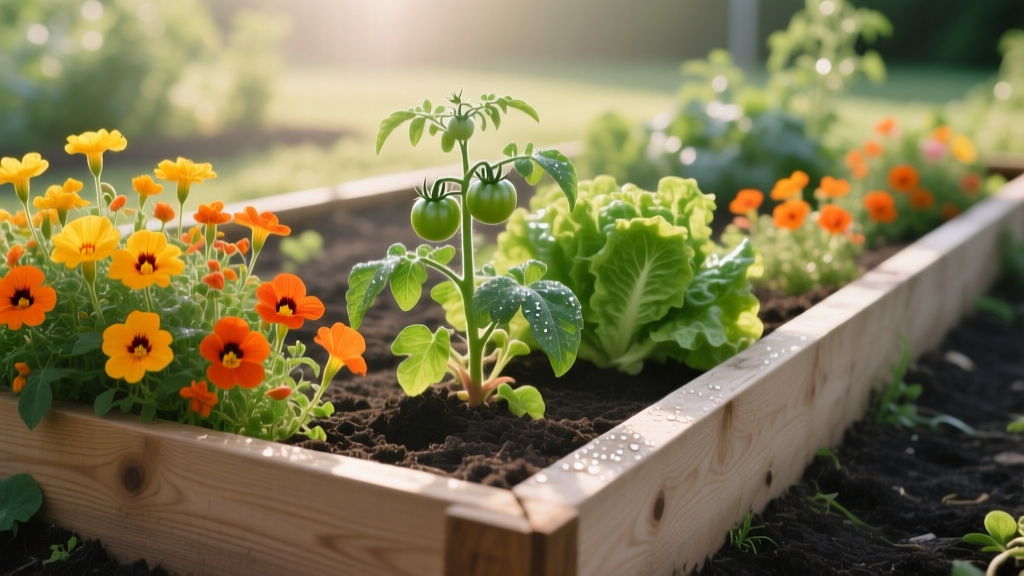
2026 Guide: Marigold & Nasturtium Companions for Raised Beds
Emily WatsonPublished
Introduction to Botanical Pest Control in Raised Beds
As we enter the 2026 growing season, raised bed vegetable gardening continues to be the premier method for home growers seeking high yields in limited spaces. However, the concentrated nature of raised beds can also create a buffet for common garden pests if not managed correctly. While synthetic pesticides offer a quick fix, modern organic growers are increasingly turning to integrated pest management (IPM) strategies. According to the EPA's Integrated Pest Management guidelines, utilizing biological and botanical controls is essential for long-term soil health and sustainable harvesting.
Among the most effective botanical allies for your raised beds are marigolds (Tagetes spp.) and nasturtiums (Tropaeolum majus). When deployed strategically as companion plants, these vibrant flowers do far more than add aesthetic appeal; they act as biochemical shields, trap crops, and beneficial insect havens. In this comprehensive 2026 guide, we will explore the science behind these pest-resistant plant varieties and provide actionable layouts for your raised bed vegetable garden.
The Science of Trap Cropping and Biochemical Repellents
Companion planting is often misunderstood as mere garden folklore, but the interactions between marigolds, nasturtiums, and vegetable crops are deeply rooted in plant biochemistry. When you interplant these flowers in your raised beds, you are essentially manipulating the chemical signals that pests use to locate their preferred host plants.
Marigolds release volatile organic compounds (VOCs), such as limonene and ocimene, which mask the scent of vulnerable crops like tomatoes and peppers. Furthermore, certain marigold varieties exude a compound called alpha-terthienyl from their roots, which is highly toxic to soil-dwelling nematodes. Nasturtiums, on the other hand, produce glucosinolates—the same mustard-like compounds found in brassicas. This makes them irresistible to aphids and cabbage worms, effectively drawing these pests away from your primary food crops. For a deeper dive into the biochemical pathways of these plants, the University of Wisconsin-Madison Extension provides excellent peer-reviewed profiles on Tagetes species and their defensive exudates.
Marigolds: The Nematode and Beetle Repellent
Choosing the Right Marigold for 2026
Not all marigolds are created equal when it comes to pest control. For raised bed vegetable gardening, you must select the correct variety based on the specific pest pressure in your zone.
- French Marigolds (Tagetes patula): These are the undisputed champions of nematode control. Varieties like 'Nemagold' and 'Tangerine' are compact, making them perfect for the edges of raised beds. Their dense root systems produce high levels of alpha-terthienyl, effectively sterilizing the soil of root-knot nematodes over a single season.
- African Marigolds (Tagetes erecta): Taller and more robust, these are better suited for deterring flying insects like Japanese beetles and squash vine borers. However, their height can shade out lower-growing vegetables, so they are best planted on the northernmost edge of your raised bed.
- Signet Marigolds (Tagetes tenuifolia): With their delicate, fern-like foliage and citrus-scented edible flowers, Signet marigolds are excellent for attracting hoverflies and parasitic wasps, which prey on soft-bodied pests.
Nasturtiums: The Ultimate Aphid Trap Crop
Deploying Nasturtiums to Save Your Brassicas
If you are growing kale, broccoli, or cabbage in your raised beds this year, nasturtiums are non-negotiable. Nasturtiums act as a classic "trap crop." Aphids, particularly the green peach aphid and the cabbage aphid, strongly prefer the sap of nasturtiums over almost any other garden plant.
By planting nasturtiums on the periphery of your raised bed, you create a sacrificial barrier. The aphids will colonize the nasturtiums, leaving your brassicas untouched. Furthermore, the sprawling habit of vining nasturtium varieties provides excellent ground cover, suppressing weeds and retaining soil moisture in the elevated environment of a raised bed. According to the UC Statewide Integrated Pest Management Program, maintaining trap crops requires monitoring; once the nasturtiums become heavily infested, they should be pulled and composted in a hot pile to prevent the aphid population from spilling over to your vegetables.
Strategic Layouts for a 4x8 Raised Bed
Proper spatial arrangement is critical in raised beds. Overcrowding leads to poor air circulation and fungal diseases, while under-planting leaves gaps for pests to exploit. Below is a recommended companion planting layout for a standard 4-foot by 8-foot raised bed (32 square feet) focused on a tomato and brassica rotation for the 2026 season.
| Zone | Plant Variety | Spacing & Placement | Primary Pest Target |
|---|---|---|---|
| North Edge | African Marigolds | 12 inches apart, back row | Japanese Beetles, Hornworms |
| Center Grid | Indeterminate Tomatoes | 24 inches apart, trellised | N/A (Primary Crop) |
| Tomato Base | French Marigolds | 6 inches from tomato stem | Root-Knot Nematodes |
| South/West Edge | Vining Nasturtiums | 10 inches apart, trailing over edge | Aphids, Cabbage Worms |
| East Quadrant | Kale & Broccoli | 18 inches apart | N/A (Protected by Nasturtiums) |
Planting Guide: Spacing, Timing, and Soil Prep
Soil Preparation for 2026
Raised beds require a specific soil structure to support the vigorous root systems of both vegetables and companion flowers. For the 2026 season, a premium raised bed mix should consist of 40% high-quality compost, 40% coconut coir (a more sustainable alternative to peat moss), and 20% coarse vermiculite or perlite. Before planting, amend the top 6 inches of the bed with an organic granular fertilizer. In 2026, products like Espoma Organic Bio-tone Starter Plus (retailing around $14.99 for a 4 lb bag) provide the essential mycorrhizal fungi that help marigold roots establish quickly and maximize their nematode-fighting exudates.
Timing and Direct Sowing
Both marigolds and nasturtiums are highly sensitive to frost. In most temperate zones, wait until two weeks after your last average spring frost date to transplant or direct sow. Nasturtium seeds have a hard outer coat; to speed up germination, soak the seeds in room-temperature water for 12 hours before planting them 1/2 inch deep and 10 inches apart along the bed's retaining walls.
Maintaining Your Companion Plants Throughout the Season
To keep your botanical pest control system functioning at peak efficiency, routine maintenance is required.
- Deadheading Marigolds: Pinch off spent marigold blooms every 5 to 7 days. This forces the plant to redirect energy into root development and foliage, ensuring a continuous release of pest-repelling VOCs and root exudates throughout the summer.
- Managing Nasturtium Vines: Nasturtiums can become aggressive. If they begin to climb your tomato trellises or shade out your brassicas, prune the leading vines back to the bed's edge. The pruned, aphid-infested leaves can be fed to backyard chickens or disposed of in your municipal green waste bin.
- Watering Protocols: Avoid overhead watering, which promotes powdery mildew on nasturtium leaves. Instead, utilize a drip irrigation system with 1/4-inch emitter tubing, delivering exactly 1 gallon of water per square foot per week, adjusted for local rainfall.
Common Mistakes to Avoid
The Nitrogen Trap: The most frequent error gardeners make with nasturtiums is over-fertilizing. High nitrogen levels, often found in synthetic liquid feeds, will cause nasturtiums to produce massive, lush green leaves but zero flowers. Without flowers, the plant loses much of its trap-cropping efficacy for pollinators and predatory insects. Stick to low-nitrogen, phosphorus-rich organic amendments to ensure prolific blooming.
Another mistake is planting the companion crops after the vegetable crops are already established and infested. Trap crops must be planted simultaneously with, or slightly before, your vegetables so they are large enough to intercept the first wave of migrating aphids and beetles in early spring.
Conclusion
Integrating marigolds and nasturtiums into your raised bed vegetable garden is a cornerstone of modern, organic pest management. By understanding the specific biochemical defenses of French and African marigolds, and leveraging the trap-cropping brilliance of vining nasturtiums, you can drastically reduce your reliance on external sprays. As you plan your 2026 garden layouts, remember that a diverse, strategically planted raised bed is not just a vegetable patch—it is a self-regulating ecosystem. Happy planting, and may your harvest be abundant and pest-free this season.