Pest Control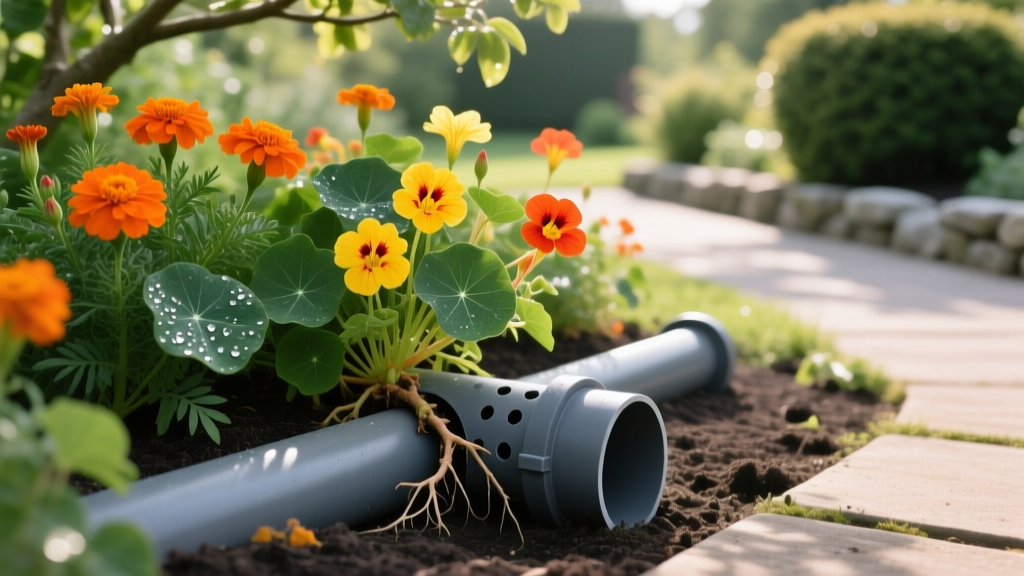
Drainage Pipes & Marigold-Nasturtium Companion Planting 2026
Anna KowalskiPublished
The Hydrology-Pest Nexus: Why 2026 Demands Better Drainage
As we navigate the unpredictable and often torrential spring deluges of 2026, landscape professionals and home gardeners alike are facing a compounding problem: waterlogged soil is creating a haven for destructive pests. Poor yard hydrology does far more than drown your prized tomatoes or wash away topsoil; it fundamentally alters the microclimate of your garden beds, inviting a host of moisture-loving insects and soil-borne pathogens. When soil becomes saturated and anaerobic, plant roots suffer from hypoxia, severely weakening their natural immune responses and making them highly susceptible to root-knot nematodes and fungal diseases.
Furthermore, standing water and perpetually damp topsoil act as a magnet for slugs, fungus gnats, and mosquitoes. According to the Centers for Disease Control and Prevention (CDC), mosquitoes require standing water to complete their life cycle, and even the small pockets of water trapped in poorly drained garden depressions are sufficient for breeding. To combat this, modern Integrated Pest Management (IPM) in 2026 requires a dual-pronged approach: addressing the subterranean water table with high-quality landscape drainage pipes, and fortifying the topsoil with pest-resistant plant varieties like marigold and nasturtium companion plantings.
The Biological Shield: Marigold and Nasturtium Companion Planting
While a landscape drainage pipe solves the physical problem of excess water, biological pest control addresses the ecological vulnerabilities of your garden. The combination of marigolds (Tagetes spp.) and nasturtiums (Tropaeolum majus) is widely considered the gold standard in companion planting for organic pest deterrence. When planted over and around a well-draining trench system, these two botanical powerhouses create a hostile environment for common garden pests.
Marigolds: The Nematode Suppressors
French marigolds (Tagetes patula) and African marigolds (Tagetes erecta) are famous for their root exudates. They release a biochemical compound called alpha-terthienyl, which is highly toxic to several species of root-knot nematodes, lesion nematodes, and certain soil-borne fungi. By planting a dense border of marigolds directly above your drainage field, you utilize the sharp drainage provided by the pipe and gravel bed to keep the marigold roots healthy, allowing them to maximize their biochemical pest suppression. The Environmental Protection Agency (EPA) heavily promotes these types of cultural and biological controls as foundational pillars of safe, sustainable IPM strategies.
Nasturtiums: The Ultimate Trap Crop
Nasturtiums serve a completely different, yet equally vital, role. They are a classic 'trap crop.' Aphids, whiteflies, and squash bugs are overwhelmingly attracted to the succulent, peppery leaves of the nasturtium. By strategically planting nasturtiums along the periphery of your drainage swales, you draw these sap-sucking pests away from your primary vegetable or ornamental crops. Once the nasturtiums are heavily infested, they can be pulled and composted, effectively removing the pest population from your garden without a single drop of chemical pesticide.
Selecting the Right Landscape Drainage Pipe for Garden Beds
To support the robust root systems of marigolds and the sprawling vines of nasturtiums, you must select a drainage pipe that promotes rapid water egress while preventing soil compaction. In 2026, the industry standard for residential garden beds is the 4-inch perforated corrugated polyethylene pipe, such as those manufactured by Advanced Drainage Systems (ADS).
- Pipe Type: 4-inch perforated corrugated pipe. The perforations allow water to weep into the pipe from the surrounding saturated soil.
- Filter Fabric: A 4 oz non-woven geotextile landscape fabric is mandatory. Wrapping the pipe prevents fine silt and clay from entering the perforations, which is a common cause of drainage failure in older installations.
- Aggregate: 3/4-inch washed drain rock. This provides large void spaces for water to flow into the pipe while offering the sharp, fast-draining soil profile that marigolds require to prevent crown rot.
Installation: Trenching for the Companion Bed
Integrating a landscape drainage pipe into a planting bed requires precision to ensure both the hydrology and the horticulture thrive.
- Trenching: Dig a trench 12 inches wide and 14 to 18 inches deep, sloping the bottom at a minimum grade of 1/8 inch per linear foot toward your designated discharge area or dry well.
- Base Layer: Lay down a 2-inch base of washed drain rock at the bottom of the trench.
- Pipe Placement: Lay the 4-inch perforated pipe on top of the rock base, ensuring the perforations are facing downward. (This counter-intuitive placement allows water to rise through the gravel and enter the pipe at the lowest point, preventing soil from washing directly into the holes).
- Wrapping and Covering: Wrap the pipe in your non-woven geotextile fabric. Fill the remainder of the trench with washed drain rock up to 2 inches below the soil surface.
- Soil Capping: Cap the trench with a mix of native topsoil and compost, creating a slightly mounded berm to encourage surface runoff into the gravel bed below.
Synergistic Planting Protocol Over the Drain Field
Once the landscape drainage pipe is installed and capped, it is time to deploy your pest-resistant plant varieties. The soil directly above the gravel trench will be the driest, fastest-draining area in your garden.
Plant your French marigolds in a dense, staggered grid directly over the center of the buried pipe. Space them 8 to 10 inches apart. The exceptional drainage will prevent the fungal issues that marigolds often suffer in heavy clay soils, while their roots will interlock to form a nematode-resistant barrier over the drain field. Next, plant your trailing nasturtium varieties (such as 'Alaska Mix' or 'Jewel Mix') along the outer edges of the trench where the soil transitions back to native earth. The nasturtiums will sprawl over the gravel-filled berm, acting as a living mulch that shades the soil, retains just enough surface moisture for their own shallow roots, and intercepts migrating aphids before they reach your vulnerable crops.
2026 Material and Cost Breakdown
Below is a structured cost analysis for installing a 50-foot landscape drainage pipe system integrated with a marigold and nasturtium companion planting scheme, based on average 2026 landscaping material prices.
| Material / Component | Specification | Estimated 2026 Cost |
|---|---|---|
| Corrugated Drainage Pipe | 4 in. x 50 ft. Perforated ADS | $45.00 |
| Washed Drain Rock | 3/4-inch gravel (approx. 1.5 tons) | $65.00 |
| Geotextile Landscape Fabric | 4 oz Non-Woven, 50 ft roll | $38.00 |
| Marigold Seeds / Plugs | French Marigold 'Crackerjack' (50 plants) | $25.00 |
| Nasturtium Seeds | Trailing 'Alaska Mix' (2 oz packet) | $12.00 |
| Topsoil & Compost Blend | Organic raised bed mix (10 cu. ft.) | $40.00 |
| Total Estimated Material Cost | For a 50-foot integrated bed | $225.00 |
Long-Term IPM and Pipe Maintenance
Maintaining this synergistic system requires minimal effort but yields massive dividends in pest reduction. At the end of the growing season, do not till the marigold roots into the soil immediately. Allow them to overwinter in the ground if your climate permits, as the decaying roots will continue to release nematode-suppressing compounds into the drain field. For the nasturtiums, once they have served their purpose as trap crops and are heavily laden with aphids, sever the vines at the base and dispose of them in a hot compost pile to destroy the pest life cycle.
From a hydrological perspective, inspect the discharge end of your landscape drainage pipe every spring. Use a garden hose to flush out any accumulated sediment or root intrusions that may have bypassed the fabric wrapper. By keeping the pipe flowing freely, you ensure that the heavy rains of 2026 and beyond are swiftly diverted, keeping your marigolds blooming, your nasturtiums sprawling, and your garden entirely free of moisture-dependent pests.