Pest Control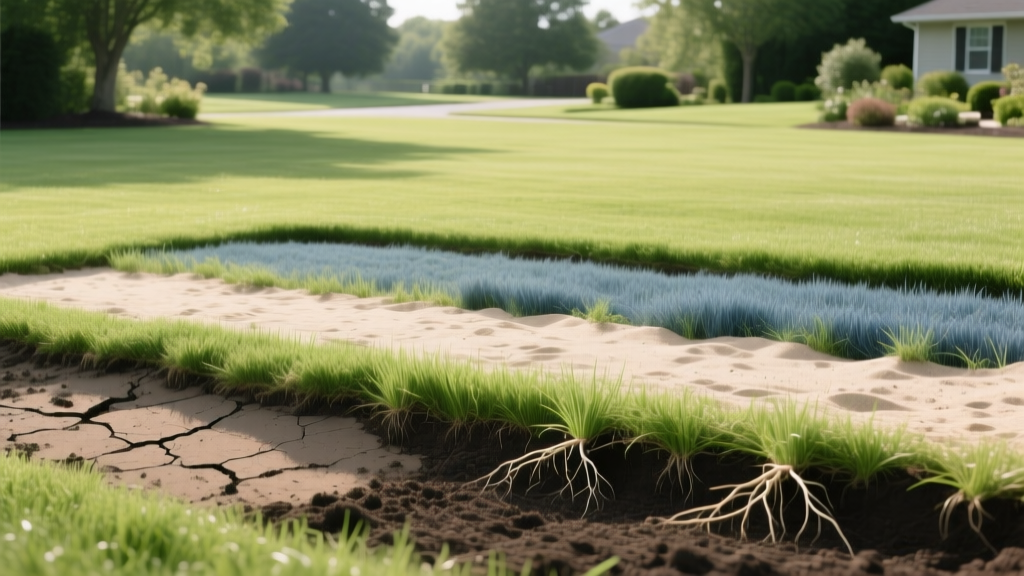
Prevent Lawn Pests: Match Grass Species To Soil Type
Mike RodriguezPublished
When homeowners think of lawn pest control, they often picture chemical sprays, granular treatments, and reactive measures taken after an infestation has already damaged their turf. However, the most effective pest management strategy begins long before a single grub or chinch bug appears. According to the Environmental Protection Agency (EPA), the foundation of Integrated Pest Management (IPM) relies heavily on cultural controls—practices that reduce pest establishment, reproduction, and spread by altering the environment. In lawn care, the most critical cultural control is matching your grass species to your native soil type.
Planting a grass species that is ill-suited for your soil creates chronic environmental stress. Stressed turf develops shallow root systems, thin canopies, and reduced vigor, making it an irresistible target for opportunistic pests. Conversely, a well-matched grass species will naturally outcompete weeds, recover quickly from minor insect feeding, and resist severe infestations. This guide explores the intersection of soil science and turfgrass entomology, providing actionable strategies to prevent lawn pests through proper soil and grass matching.
The Hidden Link Between Soil Type and Lawn Pests
Insects and turf diseases are opportunistic. They seek out the weakest plants in an ecosystem. When you plant a moisture-loving, shade-tolerant grass in dense, poorly draining clay, the roots will suffocate. The resulting shallow root system cannot access deep water reserves during summer droughts, causing the grass to thin out. This thinning canopy allows sunlight to hit the soil surface, raising soil temperatures and creating the perfect breeding ground for heat-loving pests like the chinch bug and the sod webworm.
Similarly, planting a heavy-feeding grass like Kentucky Bluegrass in nutrient-poor, fast-draining sandy soil forces the homeowner to over-irrigate and over-fertilize. This excess moisture and nitrogen create a lush but incredibly weak cellular structure in the grass blades, which is highly susceptible to sap-sucking insects and fungal pathogens. By understanding your soil's physical properties, you can select a grass species that thrives naturally, thereby closing the door on pest vulnerabilities.
Identifying Your Soil Type
Before selecting a pest-resistant grass, you must identify your soil texture. The University of Minnesota Extension recommends the simple "Mason Jar Test" to determine your soil composition. Fill a clear jar with one-third soil and two-thirds water, shake vigorously, and let it settle for 24 hours. The bottom layer is sand, the middle is silt, and the top is clay. The proportions will dictate your soil classification:
- Clay Soil: Over 40% clay particles. Feels sticky, holds water, and compacts easily.
- Sandy Soil: Over 60% sand particles. Feels gritty, drains rapidly, and leaches nutrients.
- Silt/Loam Soil: A balanced mix of sand, silt, and clay. Feels smooth, holds moisture well, and drains adequately.
Matching Grass to Soil for Natural Pest Resistance
Clay Soils: The Compaction Challenge
Clay soils are notorious for compaction, which restricts oxygen flow to the roots. Grasses planted here often suffer from shallow roots, making them highly vulnerable to white grubs and billbugs, which feed on the root zone. If a grub severs the few shallow roots a stressed grass has, the turf dies instantly.
Ideal Grass Matches: For cool-season climates, Tall Fescue is exceptional. Its deep, extensive root system can penetrate heavy clay and bypass the upper root zone where grubs feed. For warm-season climates, Zoysia grass is incredibly dense and naturally repels many surface-feeding insects due to its tough, silica-rich leaf blades.
Pest Prevention Strategy: To prevent grub damage in clay soils, perform core aeration every fall to relieve compaction. Apply Milky Spore (Paenibacillus popilliae) at a rate of 1 teaspoon per 4x4 foot grid in early spring. This organic biological control targets Japanese beetle grubs specifically and can remain active in clay soils for up to 15 years, costing roughly $40 to $60 per 10,000 square feet.
Sandy Soils: The Nutrient and Moisture Drain
Sandy soils drain water and nutrients so quickly that turfgrass often suffers from chronic drought stress and nitrogen deficiency. The most severe pest threat in sandy soils is the root-knot nematode and the mole cricket. Nematodes thrive in the large pore spaces of sandy soils, and mole crickets easily tunnel through the loose dirt to sever grass roots.
Ideal Grass Matches: In warm-season regions, Bahiagrass and Bermudagrass are top choices. Bahiagrass is highly resistant to nematodes and thrives in poor, sandy, acidic soils where other grasses fail. In cool-season regions, Fine Fescues (like Creeping Red Fescue) are drought-tolerant and require less nitrogen, reducing the need for the heavy fertilization that attracts pests.
Pest Prevention Strategy: To combat mole crickets and nematodes in sandy soils, apply beneficial nematodes (Steinernema scapterisci) in late summer when mole cricket nymphs are small. These microscopic worms seek out and kill soil-dwelling pests. Because sandy soils drain quickly, apply the nematodes in the late evening and water them in with exactly 0.25 inches of water to ensure they reach the root zone without washing away. Cost is approximately $35 per 5,000 square feet.
Loam and Silt Soils: The Ideal Foundation
Loam is the gold standard for turfgrass, offering excellent moisture retention and drainage. However, because these soils support rapid, lush growth, they can attract surface-feeding pests like the chinch bug and the armyworm if the thatch layer is allowed to build up excessively.
Ideal Grass Matches: Kentucky Bluegrass (cool-season) and St. Augustine (warm-season) thrive in loam. Both species spread via rhizomes or stolons, allowing them to rapidly recover from minor insect damage and choke out weeds that harbor pests.
Pest Prevention Strategy: The key to IPM in loam soils is thatch management. If the thatch layer exceeds 0.5 inches, it becomes a safe harbor for chinch bugs and sod webworms. Dethatch using a power rake in early fall (for cool-season grasses) or late spring (for warm-season grasses). Maintain a mowing height of 3 to 4 inches to shade the soil surface, keeping it cool and deterring heat-seeking pests.
Soil-Grass-Pest Matching Chart
Use the following chart as a quick reference to ensure your lawn is culturally protected against the most common regional pests.
| Soil Type | Ideal Grass Species | Common Pests When Stressed | Preventative IPM Action |
|---|---|---|---|
| Heavy Clay | Tall Fescue, Zoysia | White Grubs, Billbugs | Core aeration, Milky Spore application |
| Sandy | Bahiagrass, Bermuda, Fine Fescue | Nematodes, Mole Crickets | Beneficial nematodes, compost topdressing |
| Silty / Loam | Kentucky Bluegrass, St. Augustine | Chinch Bugs, Sod Webworms | Thatch management, proper mowing heights |
Actionable IPM Strategies for Mismatched Lawns
What happens if you inherit a lawn with the wrong grass for your soil type? You do not necessarily need to apply harsh chemical pesticides or completely renovate the lawn. The Penn State Center for Turfgrass Science emphasizes that altering the soil profile over time can help a mismatched lawn build natural pest resistance. Here are actionable steps to remediate your soil and protect your turf:
1. Topdressing with Organic Compost
If you have sandy soil supporting a thirsty grass, topdress with 1/4 inch of screened organic compost every spring and fall. This adds organic matter that acts like a sponge, retaining moisture and reducing the need for frequent irrigation. Less frequent watering means a drier soil surface, which deters fungus gnats and moisture-dependent turf diseases that weaken the grass and invite secondary insect attacks.
2. Deep and Infrequent Irrigation
Clay soils hold water near the surface, encouraging shallow roots. To force grass roots deep into the clay profile (away from surface pests), water deeply but infrequently. Apply 1 to 1.5 inches of water per week in a single session. Use a tuna can to measure the output. This forces the grass to develop deep roots, making it highly resilient to the root-pruning activities of grubs.
3. Strategic Overseeding with Resistant Cultivars
If your lawn is constantly battling pests due to a poor soil match, begin overseeding with pest-resistant cultivars. For example, if you have heavy clay and a failing Kentucky Bluegrass lawn, overseed with Jonathan Green Black Beauty Ultra or a similar Tall Fescue blend. The deep roots of the fescue will gradually take over, naturally outcompeting the weak bluegrass and starving out the pests that rely on the shallow root zone.
Conclusion
True pest control is not about eradication; it is about cultivation. By matching your grass species to your native soil type, you create a robust, vigorous lawn that naturally resists severe insect damage. Whether you are dealing with compacted clay, nutrient-leaching sand, or ideal loam, understanding the cultural foundations of Integrated Pest Management will save you hundreds of dollars in chemical treatments. Test your soil, choose the right seed, implement biological controls, and watch your lawn naturally defend itself against the pest pressures of the season.