Pest Control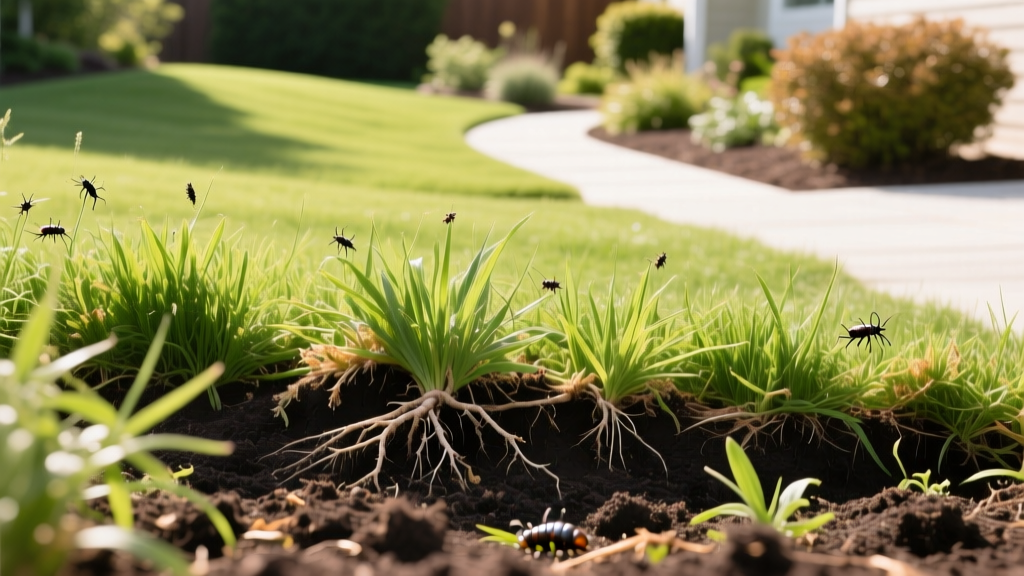
Prevent Lawn Pests By Matching Soil And Grass Types
Sarah ChenPublished
The Hidden Link Between Soil Health, Grass Selection, and Pests
When homeowners spot brown patches or chewed grass blades, their first instinct is often to reach for a chemical pesticide. However, modern Integrated Pest Management (IPM) teaches us that pest control begins long before an infestation occurs. In fact, it starts beneath the surface with the fundamental relationship between your soil type and the grass species you choose to plant. According to the Environmental Protection Agency (EPA), the core principle of IPM is to prevent pest problems by creating an environment where pests cannot easily thrive. A lawn planted in mismatched soil is a lawn under constant environmental stress, making it a prime target for destructive insects.
Every grass species has evolved to thrive in specific soil conditions, dictating its root depth, nutrient uptake, and drought tolerance. When you force a grass species to grow in incompatible soil, the plant's natural defense mechanisms weaken. This stress triggers the release of specific volatile organic compounds (VOCs) and alters the plant's sap pressure, effectively sending out a chemical dinner bell to foraging insects. By understanding your soil profile and matching it to the correct turfgrass, you can naturally repel pests, reduce your reliance on synthetic pesticides, and cultivate a deeply rooted, resilient lawn.
How Mismatched Lawns Invite Pest Infestations
A mismatched lawn suffers from chronic abiotic stress. For example, planting a moisture-loving grass in fast-draining sandy soil will result in perpetual drought stress, even with regular watering. Conversely, planting a drought-tolerant, deep-rooted grass in heavy, compacted clay will lead to shallow root systems, oxygen deprivation, and eventual root rot. In both scenarios, the grass cannot produce the secondary metabolites required to fend off insect attacks.
Pests are opportunistic. Insects like the Southern Chinch Bug (Blissus insularis) specifically target St. Augustinegrass that is suffering from heat and drought stress. Similarly, white grubs (the larval stage of Japanese beetles and June bugs) lay their eggs in moist, compacted soils where shallow-rooted grasses are easy to sever from the soil profile. By aligning your grass with your native soil, you promote vigorous root growth, dense canopy cover that shades out weed seeds, and robust cellular walls that are physically difficult for chewing insects to penetrate.
Soil Type Profiles: Grass Matches and Pest Risks
Sandy Soils: Drought Stress and Surface Pests
Sandy soil is characterized by large particle sizes, resulting in excellent drainage but poor water and nutrient retention. Grasses planted here often suffer from localized dry spots and nutrient leaching.
- Ideal Grass Matches: Zoysiagrass, Bahiagrass, Centipedegrass, and Bermudagrass. These species possess deep, aggressive root systems and high drought tolerance.
- Mismatch Risks: Planting Kentucky Bluegrass or Ryegrass in sandy soil will lead to severe drought stress.
- Common Pests: Stressed grass in sandy soils is highly susceptible to Chinch Bugs and Mole Crickets. Mole crickets, in particular, love the loose, sandy texture for tunneling and will decimate the shallow roots of mismatched, struggling turf. As noted by the Clemson University Home & Garden Information Center, chinch bugs inject a toxin into the grass blades while feeding, which is fatal to grass that is already compromised by poor soil moisture retention.
- Preventative Amendment: Topdress sandy soils with 1/2 inch of organic compost annually to increase water-holding capacity and reduce the drought stress that attracts surface-feeding pests.
Clay Soils: Compaction and Root-Feeding Pests
Clay soils consist of microscopic particles that bind tightly together, holding moisture and nutrients exceptionally well but suffering from severe compaction, poor drainage, and low oxygen levels.
- Ideal Grass Matches: Tall Fescue (specifically Turf-Type Tall Fescue), Zoysiagrass, and Buffalograss. These grasses can tolerate the heavy texture and periodic waterlogging of clay.
- Mismatch Risks: Fine Fescues and Bermudagrass will suffocate in heavy clay due to a lack of soil oxygen, leading to rapid thinning.
- Common Pests: White Grubs and Billbugs. Female beetles prefer to lay eggs in moist, compacted clay soils. Because the grass roots in unamended clay are naturally shallow due to the hardpan layer, grubs can easily sever the root zone, causing the turf to roll back like a carpet. Penn State Extension highlights that turf with shallow root systems, often caused by compacted clay and overwatering, sustains the most severe damage from grub feeding.
- Preventative Amendment: Apply liquid aeration products or pelletized gypsum (calcium sulfate) at a rate of 40 lbs per 1,000 square feet in the spring to help flocculate clay particles, improving drainage and encouraging deeper, pest-resistant rooting.
Loamy Soils: The Ideal Balance and Overwatering Risks
Loam is the holy grail of soil types, offering a balanced mix of sand, silt, and clay. It retains moisture without waterlogging and provides excellent aeration.
- Ideal Grass Matches: Kentucky Bluegrass, Perennial Ryegrass, and St. Augustinegrass. Almost all turfgrasses thrive in true loam.
- Mismatch Risks: The primary risk in loam is not the soil itself, but homeowner error. Because loam holds water well, homeowners often overwater, creating a swampy environment.
- Common Pests: Overwatered loam attracts Fungus Gnats, Craneflies (Leatherjackets), and Sod Webworms. The constant moisture creates a humid microclimate at the soil line that is perfect for insect larvae and fungal pathogens like Brown Patch.
- Preventative Amendment: Focus on cultural practices rather than amending the soil. Water deeply but infrequently (aiming for 1 to 1.5 inches per week) to force roots deeper and allow the surface to dry out, breaking the life cycle of moisture-dependent pests.
Soil-Grass Matching Chart for Pest Prevention
Use the following reference chart to evaluate your lawn's current setup and identify potential pest vulnerabilities caused by soil-grass mismatches.
| Soil Type | Ideal Grass Species | Pests if Mismatched / Stressed | Key IPM Soil Amendment |
|---|---|---|---|
| Sandy | Bahiagrass, Zoysia, Centipede | Chinch Bugs, Mole Crickets, Spittlebugs | Organic Compost Topdressing (1/2 inch annually) |
| Heavy Clay | Tall Fescue, Zoysia, Buffalograss | White Grubs, Billbugs, Earthworms (surface casting) | Gypsum (40 lbs/1000 sq ft) & Core Aeration |
| Silt / Loam | Kentucky Bluegrass, Perennial Ryegrass | Sod Webworms, Craneflies, Armyworms | Reduce irrigation frequency; apply organic mulch |
| High pH (Alkaline) | St. Augustine, Buffalograss | Chinch Bugs (due to iron chlorosis stress) | Elemental Sulfur or Iron Chelates |
Actionable IPM Steps to Correct Soil-Grass Mismatches
If you have identified that your current lawn is a mismatch for your native soil, you do not necessarily need to tear it up and start over. You can implement targeted IPM strategies to alter the soil environment, reduce plant stress, and biologically control the pests that have moved in.
Step 1: Conduct a Comprehensive Soil Test
Before applying any amendments, send a soil sample to your local university extension office. You need to know your exact pH and base saturation levels. For instance, if your soil pH is above 7.5, essential nutrients like iron and manganese become locked up. The resulting iron chlorosis weakens the grass, making it highly attractive to sap-sucking insects like chinch bugs and aphids. Applying elemental sulfur to lower the pH to the 6.0–6.8 range will restore nutrient uptake and naturally boost the grass's pest resistance.
Step 2: Targeted Aeration and Topdressing
For lawns suffering from compaction in clay soils, core aeration is non-negotiable for pest prevention. Aerate in the early fall (for cool-season grasses) or late spring (for warm-season grasses), pulling plugs that are at least 3 inches deep. Immediately following aeration, topdress the lawn with a thin layer of coarse sand or compost. This physically alters the soil structure over time, improving drainage and making the environment less hospitable for moisture-loving pests like craneflies and grubs.
Step 3: Deploying Beneficial Nematodes Based on Soil Texture
Biological control is a cornerstone of IPM, but the efficacy of beneficial nematodes depends entirely on your soil type. Nematodes are microscopic worms that hunt and kill soil-dwelling pests.
- For Sandy and Loamy Soils: Use Steinernema carpocapsae. These nematodes use an 'ambush' strategy, waiting near the soil surface to attack surface-dwelling pests like cutworms, webworms, and mole crickets. They move easily through the larger pore spaces of sandy soil.
- For Clay Soils: Use Heterorhabditis bacteriophora. These are 'cruiser' nematodes that actively hunt deep in the soil profile. They are highly effective against deep-dwelling white grubs and billbug larvae that hide beneath the compacted clay layer. Because clay particles are small and tight, the cruising nature of H. bacteriophora ensures they can navigate the dense matrix to find their hosts.
Apply nematodes in the late afternoon when soil temperatures are between 60°F and 85°F, and irrigate immediately with 1/4 inch of water to wash them into the soil profile and protect them from UV degradation.
Conclusion
Treating a lawn for pests without addressing the underlying soil-grass mismatch is like treating a symptom without curing the disease. By understanding the physical and chemical properties of your soil, you can select turfgrass varieties that naturally resist environmental stress. Whether you are amending sandy soil with compost to deter chinch bugs, aerating clay to starve out grubs, or adjusting your watering habits in loam, aligning your lawn care practices with your soil type is the most effective, long-term pest control strategy available. A resilient, well-matched lawn is your first and strongest line of defense against destructive insects.