Tree Care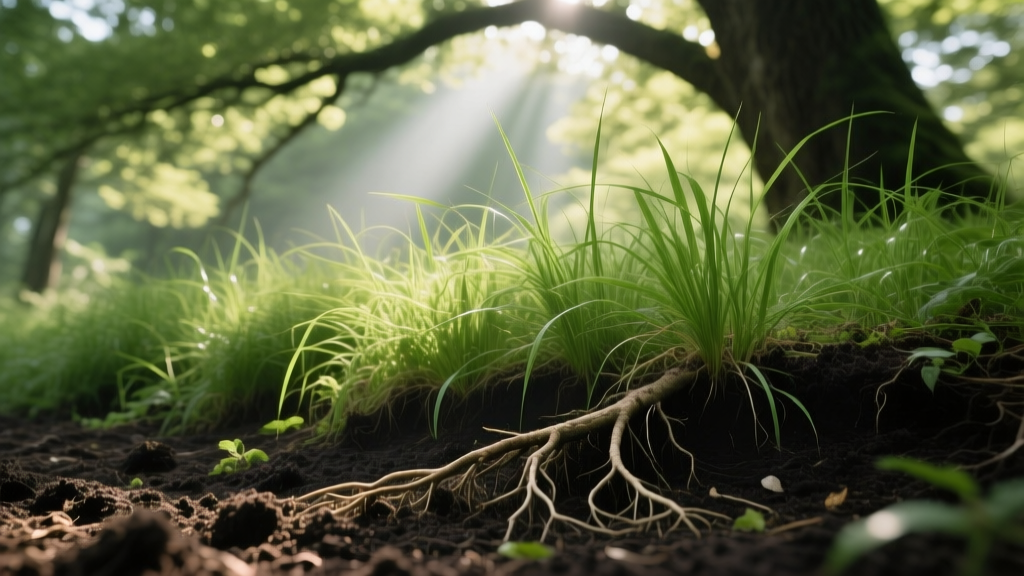
Matching Grass and Soil Types Under Trees for Optimal Health
Anna KowalskiPublished
The Hidden Battle: Tree Roots vs. Turfgrass
Creating a lush, green lawn is a point of pride for many homeowners, but achieving that pristine carpet of grass beneath the sprawling canopy of a mature tree is one of the most complex challenges in landscape management. While turfgrass and trees can coexist, they are fundamentally different organisms with competing environmental needs. Trees are native to forest environments, thriving in undisturbed, organically rich soils with deep moisture. Turfgrass, conversely, evolved in open prairies, requiring abundant sunlight, frequent surface moisture, and regular soil disturbance to prevent thatch buildup.
When you attempt to grow grass under a tree, you create a fierce competition for water, nutrients, and oxygen. The tree's critical root zone (CRZ)—which extends from the trunk to the drip line and often beyond—is packed with delicate feeder roots responsible for nutrient uptake. According to experts at The Morton Arboretum, the majority of a tree's absorbing roots are located in the top 12 to 18 inches of soil, directly in the zone where turfgrass roots also thrive. Understanding how to match the right grass species to your specific soil type beneath the canopy is essential to prevent tree decline and turf failure.
Identifying Your Soil Type Under the Canopy
Before selecting a grass seed, you must evaluate the soil conditions beneath your trees. Tree canopies actively alter the soil environment over time through leaf litter, moisture interception, and root exudates. Here is how different soil types behave under trees and how they impact your planting strategy:
- Heavy Clay Soils: Clay holds water tightly but restricts oxygen flow. In clay soils, tree roots often grow closer to the surface to access oxygen, making them highly vulnerable to lawnmower scalping and mechanical aeration tools. Grass struggles here due to poor drainage and deep shade.
- Sandy Loam Soils: Sandy soils drain rapidly and dry out quickly. Under a tree canopy, the leaves intercept rainfall, creating a 'rain shadow' effect. Grass and tree roots compete fiercely for the limited moisture available, often resulting in drought-stressed turf and shallow tree rooting.
- Compacted Urban Soils: Construction and foot traffic compress the soil, destroying the macropores needed for root respiration. Trees in compacted soils will push roots to the very surface, sometimes breaking through the soil entirely.
- Acidic Soils (pH below 5.5): Trees like oaks, pines, and maples drop acidic leaf litter that gradually lowers the soil pH. Most traditional turfgrasses prefer a pH between 6.0 and 7.0, meaning the soil chemistry under these trees actively inhibits grass growth.
Matching Grass Species to Soil Types and Shade Levels
The secret to a healthy tree-turf relationship is selecting a grass species that requires minimal water, fertilizer, and soil disturbance, thereby protecting the tree's root system. Fine fescues are generally the superior choice for tree environments because they are shade-tolerant, require less nitrogen, and possess deep, non-aggressive root systems.
| Soil Profile | Shade Density | Optimal Turfgrass Match | Tree Root Protection Protocol |
|---|---|---|---|
| Compacted Clay | Heavy / Deep | Chewings Fescue or Rough Bluegrass | Use liquid aeration or air-spade; never use mechanical core aerators that sever surface roots. |
| Sandy Loam | Dappled / Partial | Tall Fescue (Shade-Tolerant Cultivars) | Incorporate biochar to retain moisture; water deeply and infrequently to encourage deep tree rooting. |
| Acidic (pH < 5.5) | Moderate | Creeping Red Fescue | Apply pelletized lime carefully, keeping it at least 3 feet away from the tree's trunk flare. |
| Heavy Clay | Deep / Full | Abandon Grass; Use Mulch or Groundcover | Preserve surface roots; apply 2-3 inches of arborist wood chips, keeping mulch away from the trunk. |
Best Practices for Seeding and Soil Prep Around Trees
The most common mistake homeowners make when planting grass under trees is tilling the soil. Rototilling or aggressively raking the soil under a tree's canopy will sever thousands of vital feeder roots, shocking the tree and leaving it vulnerable to pests, diseases, and storm damage.
Surface Preparation Without Root Damage
Instead of tilling, use a stiff leaf rake or a garden weasel to gently scratch the surface of the soil no deeper than half an inch. If the soil is heavily compacted, consult a certified arborist to perform an air-spade aeration, which uses compressed air to fracture compacted clay without slicing through tree roots. Once the surface is lightly scratched, apply a thin layer (no more than 1/4 inch) of high-quality compost to provide a seedbed.
According to the University of Minnesota Extension, adding even two inches of topsoil over a tree's critical root zone to plant grass can suffocate feeder roots and lead to a slow, irreversible decline in tree health. Never raise the soil grade around an existing tree to accommodate turf.
Aligning Watering and Fertilization Schedules
Trees require deep, infrequent watering to encourage roots to grow downward, anchoring the tree and accessing deep soil moisture. Turfgrass typically requires shallow, frequent watering. To reconcile this, match a drought-tolerant grass like Tall Fescue to your tree's watering schedule. Water the area deeply once or twice a week, providing about 1 to 1.5 inches of water, which satisfies both the turf and the tree's deeper roots.
When fertilizing, remember that tree roots will absorb the nitrogen applied to the lawn. Over-fertilizing the grass can lead to excessive, weak top-growth in the tree, making it susceptible to windthrow and aphid infestations. Use slow-release, organic fertilizers that feed the soil biology without shocking the tree's root system.
When to Abandon Grass: Alternative Groundcovers
Sometimes, the combination of soil type, shade density, and tree species makes growing grass biologically impossible without harming the tree. Trees with aggressive surface root systems—such as Silver Maples, Beeches, Willows, and Poplars—will constantly push roots upward, creating a bumpy, un-mowable lawn and damaging mower blades.
Furthermore, if you have heavy clay soil combined with deep, year-round shade, grass will perpetually fail, leaving you with bare, muddy soil that compacts further with every rainstorm. In these scenarios, the Arbor Day Foundation highly recommends replacing turf with organic mulch or shade-tolerant groundcovers.
Implementing the Proper Mulch Ring
A properly installed mulch ring eliminates soil competition, retains moisture, and protects the tree trunk from string-trimmer damage. Follow the 3-3-3 rule for mulching under trees:
- Apply mulch in a ring extending 3 feet (or more) from the trunk.
- Keep the mulch layer 3 inches deep to suppress weeds and retain moisture.
- Keep the mulch 3 inches away from the actual bark of the tree to prevent trunk rot and rodent damage. Never create a 'mulch volcano' against the trunk flare.
Shade-Tolerant Groundcover Alternatives
If you prefer a living carpet over wood chips, select low-growing, shade-tolerant perennials that do not require mowing or aggressive soil preparation. Excellent choices for planting among surface tree roots include:
- Liriope (Lilyturf): Thrives in dry shade and clay soils.
- Hostas and Ferns: Ideal for moisture-retentive loam soils in deep shade.
- Creeping Jenny or Vinca Minor: Excellent for stabilizing sandy soils under dappled canopies.
Conclusion
Matching grass to soil types under trees is less about forcing a traditional lawn to grow in the dark, and more about selecting specialized, low-impact turfgrasses that respect the biological needs of the tree. By identifying your soil profile, avoiding mechanical root damage, and aligning your watering schedules, you can maintain a beautiful landscape where both your trees and your groundcover thrive. When the soil and shade conditions are simply too extreme, transitioning to mulch or living groundcovers is the ultimate act of tree care, ensuring your canopy remains healthy and robust for decades to come.