
Landscaping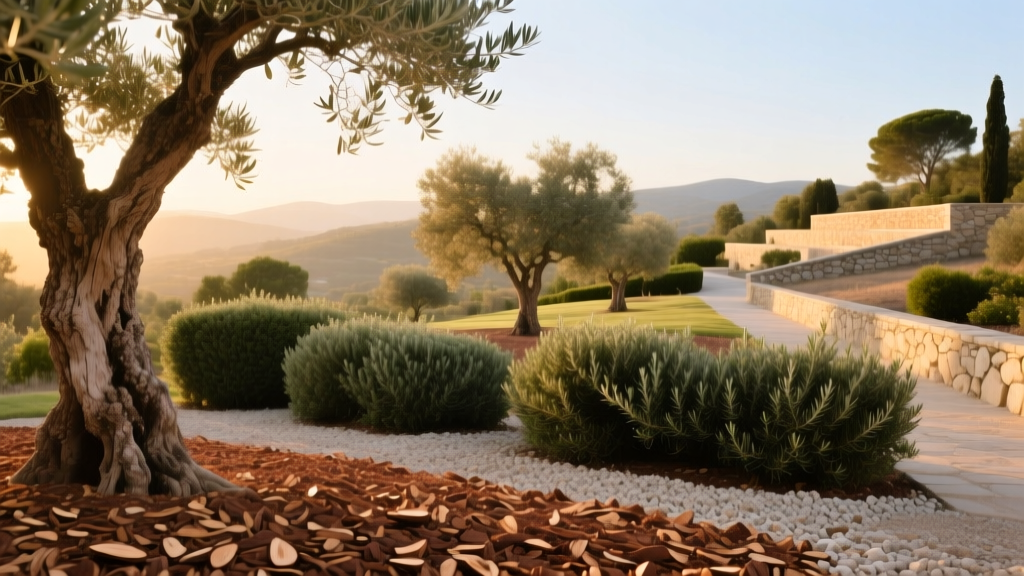
Best Mulch for Olive Trees & Rosemary Hedges in 2026
Anna KowalskiPublished
The Mediterranean Microclimate: Why Mulch Choice Matters in 2026
As water conservation mandates and xeriscaping trends continue to dominate landscape design in 2026, the Mediterranean garden has surged in popularity. Homeowners are increasingly drawn to the silvery foliage of olive trees (Olea europaea) and the aromatic, drought-tolerant borders provided by rosemary hedging (Salvia rosmarinus). However, transitioning to a Mediterranean landscape requires more than just swapping out thirsty turfgrass for drought-tolerant plants. It demands a fundamental shift in how we approach soil health, drainage, and mulching methods.
In traditional landscaping, organic mulches like shredded hardwood or pine bark are the default choice. But applying these moisture-retaining materials to Mediterranean plants is a recipe for disaster. Olive trees and rosemary evolved in the rocky, alkaline, and fast-draining soils of the Mediterranean basin. When surrounded by water-logged organic mulch, their shallow feeder roots are highly susceptible to fungal pathogens, particularly Phytophthora, which causes devastating root and collar rot. To ensure your Mediterranean landscape thrives in 2026 and beyond, you must adopt inorganic or highly specific mulching materials that mimic their native habitat while providing essential weed suppression and temperature regulation.
Top Mulching Materials for Olive Trees and Rosemary
Choosing the right mulch for a Mediterranean garden is about balancing drainage, soil pH, and aesthetic appeal. Here are the top-performing materials recommended by landscape architects this year.
Decomposed Granite (DG) and Crushed Gravel
Decomposed granite remains the gold standard for Mediterranean hardscaping and mulching in 2026. DG consists of fine, weathered rock particles that pack tightly enough to create a stable, walkable surface, yet remain porous enough to allow rapid water infiltration. For olive trees, a 2-inch layer of 3/8-inch minus DG provides excellent weed suppression without trapping excess moisture against the root flare. Crushed gravel, such as 1/2-inch crushed basalt or limestone, offers similar drainage benefits while providing a striking visual contrast against the grey-green foliage of rosemary hedges.
Crushed Oyster Shells and Limestone
Mediterranean plants thrive in slightly alkaline soils, typically preferring a pH between 7.0 and 8.0. Crushed oyster shells and pulverized limestone are exceptional mulching choices because they slowly leach calcium carbonate into the soil, naturally buffering the pH and preventing the acidification that often occurs with organic mulches. According to plant specialists at the UC Davis Arboretum, maintaining proper soil alkalinity is critical for the nutrient uptake of drought-tolerant Mediterranean species. Oyster shells also reflect sunlight, keeping the soil surface cooler during peak summer heatwaves.
Pea Gravel and River Rock
For rosemary hedging, where soil compaction around the shallow stems must be avoided, rounded pea gravel is an excellent option. Because the stones are smooth and rounded, they do not interlock or compact, ensuring maximum air circulation around the base of the hedge. This airflow is vital for preventing the humid microclimates that lead to powdery mildew and fungal stem blights in dense rosemary plantings.
What to Avoid: Wood Chips and Bark
Under no circumstances should you use shredded cedar, pine bark, or dyed hardwood mulch around olive trees or rosemary. These materials act like sponges, holding moisture against the plant's crown and lowering the soil pH as they decompose. Furthermore, as wood chips break down, they tie up nitrogen in the topsoil, depriving your Mediterranean plants of essential nutrients.
Step-by-Step Mulching Method for Olive Trees
Proper application is just as important as material selection. The most common mistake homeowners make is 'volcano mulching,' where mulch is piled high against the trunk. This practice is fatal to olive trees. Instead, utilize the 'donut method' recommended by arborists and detailed in tree care guidelines from the University of Minnesota Extension.
- Clear the Base: Remove all grass and weeds in a 3-foot radius around the trunk. Do not use harsh chemical herbicides that might damage the olive tree's shallow surface roots.
- Create the Donut Hole: Keep all mulching materials at least 6 to 12 inches away from the actual trunk of the tree. The root flare (where the trunk widens at the base) must remain completely exposed to the air.
- Apply the Mulch: Spread your chosen inorganic mulch (like DG or crushed limestone) to a depth of 2 to 3 inches. Do not exceed 4 inches, as even inorganic mulches can restrict oxygen exchange if applied too thickly.
- Install Edging: Use steel or heavy-duty poly landscape edging to separate the mulched zone from surrounding pathways or gravel beds, preventing the stones from migrating into walkways.
Mulching Rosemary Hedging for Optimal Drainage
Rosemary hedges are frequently used in 2026 landscape designs to create low-water privacy screens and fragrant garden borders. However, rosemary is notoriously sensitive to 'wet feet.' The Royal Horticultural Society (RHS) emphasizes that exceptional drainage is the single most important factor for growing healthy Rosmarinus officinalis.
When mulching a newly planted rosemary hedge, avoid using landscape fabric or plastic weed barriers beneath the stones. While fabric blocks weeds, it also impedes the rapid drainage and soil aeration that rosemary requires. Instead, apply a 1.5-inch layer of crushed limestone or pea gravel directly over the bare soil. Keep the mulch at least 3 inches away from the woody base of the rosemary stems. If weeds become an issue, hand-pulling or using a targeted, organic horticultural vinegar is preferred over smothering the soil with impermeable barriers.
2026 Cost Comparison of Mediterranean Mulches
Material costs have fluctuated over the past few years due to supply chain adjustments and increased demand for xeriscaping materials. Below is a 2026 pricing guide to help you budget your Mediterranean landscape renovation. Prices are estimated per ton for bulk delivery within a 20-mile radius.
| Mulch Material | Est. Cost per Ton (2026) | Drainage Rating | Best Application |
|---|---|---|---|
| Decomposed Granite (3/8 minus) | $65 - $90 | Excellent | Olive tree basins, pathways |
| Crushed Limestone (1/2 inch) | $75 - $105 | Superior | Rosemary hedges, alkaline buffering |
| Pea Gravel (3/8 inch rounded) | $55 - $80 | Superior | Decorative borders, hedge bases |
| Crushed Oyster Shells | $110 - $150 | Excellent | Premium coastal Mediterranean beds |
| Shredded Hardwood Bark | $35 - $50 | Poor (Avoid) | Do not use on Mediterranean plants |
Sustainable Practices and Water Conservation
Mulching a Mediterranean landscape is not just about plant health; it is a core component of sustainable water management. In regions facing strict 2026 water rationing, inorganic mulches like light-colored crushed limestone and oyster shells offer a distinct thermodynamic advantage. Their high albedo (reflectivity) bounces solar radiation back into the atmosphere, significantly reducing soil surface temperatures. Cooler soil translates to lower evaporation rates, meaning the deep, infrequent watering your olive trees require is utilized more efficiently.
Furthermore, inorganic mulches do not need to be replenished annually like organic wood chips. While the initial investment for crushed stone or DG may be higher, the long-term sustainability and cost-effectiveness are unmatched. You eliminate the carbon footprint associated with the annual manufacturing, bagging, and transportation of organic mulches. By aligning your mulching methods with the biological needs of your plants and the ecological demands of your region, your Mediterranean landscape will remain a resilient, stunning focal point of your property for decades to come.

