
Landscaping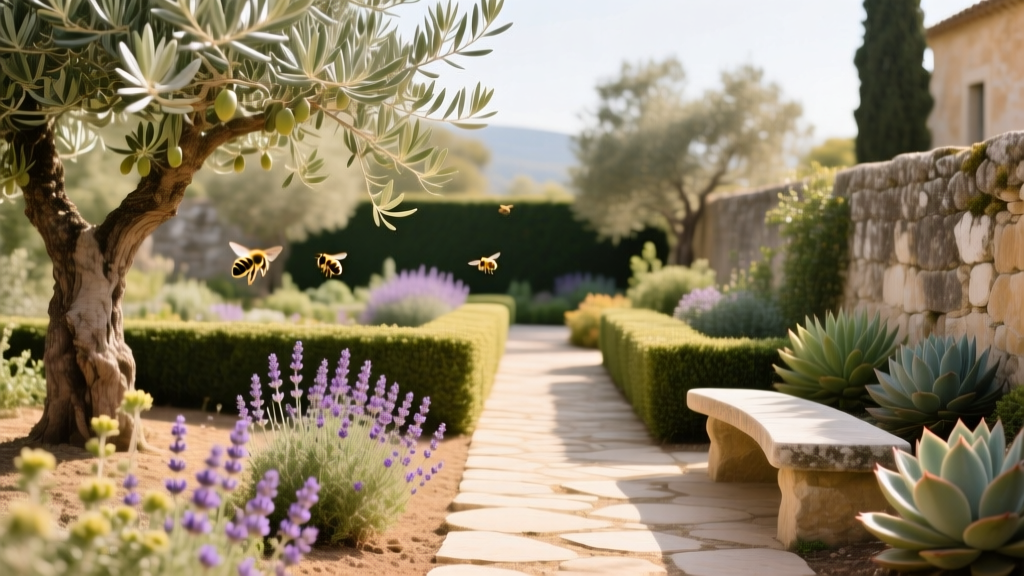
2026 Mediterranean Pollinator Garden: Olives & Rosemary
Mike RodriguezPublished
The Rise of the Mediterranean Pollinator Garden in 2026
As climate zones shift and water restrictions become a standard part of homeownership in many regions, the landscaping industry has seen a massive pivot toward drought-tolerant designs. In 2026, the Mediterranean landscape is no longer just a stylistic choice for curb appeal; it is a vital ecological strategy. By combining the structural elegance of olive trees (Olea europaea) with the prolific, nectar-rich hedging of rosemary (Salvia rosmarinus), homeowners can create a stunning, water-wise oasis that actively supports declining pollinator populations. According to the Xerces Society for Invertebrate Conservation, integrating drought-resistant, native-adapted flora is one of the most effective ways to provide continuous forage for native bees, honeybees, and butterflies without straining municipal water supplies.
Why Olive Trees and Rosemary Hedging?
The synergy between olive trees and rosemary is rooted in their shared evolutionary history and complementary blooming cycles. Olive trees provide the architectural backbone and essential canopy cover, while rosemary acts as a dense, evergreen ground-level nectar engine. Together, they form a multi-tiered habitat that offers shelter, nesting sites, and a nearly year-round food supply for pollinators.
Olive Trees as Pollinator Anchors
While olive trees are primarily wind-pollinated, their spring blossoms produce a moderate amount of early-season pollen that foraging bees readily collect. More importantly, the olive tree's silvery-green canopy provides crucial dappled shade. In the intense heat of late summer, this shaded microclimate protects ground-nesting native bees and reduces soil moisture evaporation. For residential landscapes in 2026, fruitless or low-fruiting cultivars like 'Swan Hill' or 'Wilsonii' are highly recommended to prevent messy drops on hardscaping while still delivering the aesthetic and ecological benefits of the species. When planting, ensure you allocate a 15-to-20-foot radius for the canopy to mature properly, allowing enough sunlight to reach the understory pollinator plants.
Rosemary Hedging for Continuous Forage
Rosemary is an absolute powerhouse for pollinator gardens. Blooming heavily from late winter through early spring—and often sporadically throughout the year in milder climates—rosemary provides critical nectar when very few other plants are flowering. The Royal Horticultural Society (RHS) consistently highlights rosemary as a top-tier plant for supporting early-emerging solitary bees and bumblebee queens. For hedging, upright varieties like 'Tuscan Blue' or 'Majorca Pink' are ideal. Plant them 2 to 3 feet apart to create a dense, fragrant boundary that also serves as a windbreak, protecting delicate pollinators from harsh gusts while they forage.
Designing Your Layout for Maximum Pollinator Traffic
To maximize the ecological impact of your Mediterranean garden, layout and spatial arrangement are critical. Pollinators prefer large, concentrated drifts of color rather than scattered, isolated plants.
- Group Plantings: Plant rosemary and companion herbs in clusters of at least three to five plants. This creates a larger visual target for flying insects and allows them to forage efficiently without expending excess energy.
- Sun Exposure: Ensure your olive tree and rosemary hedge receive a minimum of 6 to 8 hours of direct sunlight daily. Pollinators are ectothermic and rely on sunny spots to warm their flight muscles.
- Wind Protection: Use the rosemary hedge on the windward side of your garden to create a sheltered corridor where pollinators can feed undisturbed.
Companion Planting for a Continuous Bloom Cycle
While rosemary covers the late winter and spring, a truly resilient pollinator garden requires successive blooming. The Pollinator Partnership emphasizes the importance of overlapping bloom times to prevent forage gaps. Here is a 2026 companion planting guide to ensure your Mediterranean landscape feeds pollinators from early spring to late fall.
| Plant Name | Bloom Time | Pollinator Benefit | Water Needs |
|---|---|---|---|
| Lavender (Lavandula angustifolia) | Late Spring to Summer | High nectar for honeybees and butterflies | Very Low |
| Russian Sage (Perovskia atriplicifolia) | Mid-Summer to Fall | Attracts native sweat bees and hummingbirds | Low |
| Yarrow (Achillea millefolium) | Summer | Provides flat landing pads for butterflies | Low to Moderate |
| Agastache (Agastache foeniculum) | Late Summer to Fall | Rich nectar source for late-season foragers | Low |
Soil Preparation and Sustainable Irrigation
Mediterranean plants demand exceptional drainage. Heavy, water-retentive clay soils will quickly lead to root rot in both olive trees and rosemary. In 2026, the standard practice for amending native clay is not to heavily enrich it with organic compost, which holds too much moisture, but rather to improve its structure using expanded shale, pumice, or coarse gravel. Create a slight berm or mound for your olive tree to ensure water flows away from the root crown.
For irrigation, abandon overhead sprinklers. Overhead watering promotes fungal diseases like powdery mildew on rosemary and wastes water through evaporation. Instead, install a sub-surface or point-source drip irrigation system. Use 1-gallon-per-hour (GPH) emitters for the rosemary hedge and a multi-outlet drip ring for the olive tree. Once established (typically after 18 to 24 months), both the olive tree and rosemary will require minimal supplemental watering, thriving on deep, infrequent soakings during the peak of summer.
Step-by-Step Planting Guide and 2026 Cost Estimates
Ready to break ground? Here is a practical guide to installing your Mediterranean pollinator garden, complete with current 2026 pricing estimates for materials and plants.
- Site Clearing and Grading: Remove existing turf grass and weeds. Grade the area to ensure a 2% slope away from your home's foundation. (Cost: $2-$4 per sq ft if hiring a professional).
- Soil Amendment: Till the top 12 inches of soil and incorporate 20% expanded shale or pumice by volume to guarantee drainage. (Cost: $40-$60 per cubic yard of pumice).
- Planting the Olive Tree: Dig a hole twice as wide as the 15-gallon nursery pot, but no deeper. Place the tree so the root flare sits slightly above grade. Backfill with native soil and water deeply. (Cost: $130-$190 per 15-gallon 'Swan Hill' olive tree).
- Setting the Rosemary Hedge: Dig a trench or individual holes spaced 30 inches apart for 'Tuscan Blue' rosemary. Plant at the same depth they were in their 5-gallon nursery containers. (Cost: $45-$65 per 5-gallon plant).
- Mulching: Apply a 2-to-3-inch layer of inorganic mulch, such as decomposed granite or pea gravel. Avoid organic wood chips, which retain moisture and harbor fungal pathogens detrimental to Mediterranean flora. (Cost: $70-$100 per ton of decomposed granite).
Maintenance for Pollinator Health
A pollinator-friendly garden requires a shift in how we view garden maintenance. The most critical rule is the absolute avoidance of broad-spectrum synthetic pesticides, particularly neonicotinoids, which are highly toxic to bees and persist in the soil for years. If aphids or scale insects appear on your olive tree or rosemary, rely on Integrated Pest Management (IPM). A strong blast of water from a hose is often enough to dislodge aphids. If treatment is necessary, use insecticidal soaps or horticultural oils, but apply them strictly at dusk when pollinators have returned to their nests, minimizing the risk of direct contact.
Pruning should also be timed carefully. Avoid heavy pruning of your rosemary hedge while it is in full bloom, as this instantly removes the food supply for foraging insects. Instead, prune lightly immediately after the main spring flush of flowers fades to maintain a dense, compact shape and encourage a secondary, smaller bloom cycle in the autumn.
Conclusion
Designing a Mediterranean landscape with olive trees and rosemary hedging is a masterclass in sustainable, eco-conscious gardening. By embracing the natural resilience of these plants, you are not only crafting a visually breathtaking, low-water outdoor living space but also establishing a vital sanctuary for essential pollinators. As we navigate the environmental challenges of 2026 and beyond, every drought-tolerant, bee-friendly garden we plant contributes to a larger, interconnected web of ecological health right in our own backyards.

