
Landscaping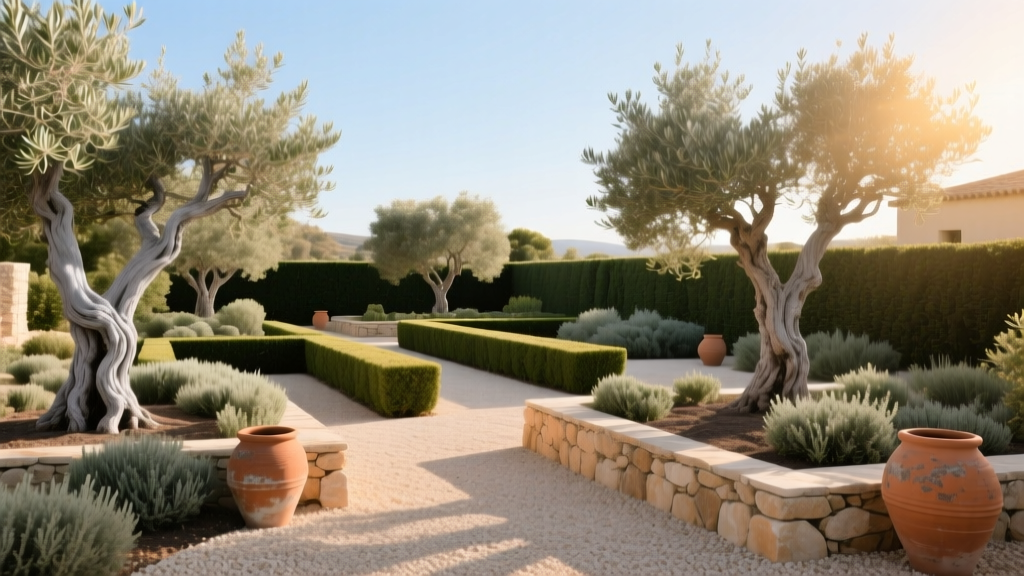
Mediterranean Xeriscape 2026: Olive Trees & Rosemary Hedges
James MillerPublished
The Rise of the Mediterranean Xeriscape in 2026
As municipal water restrictions tighten and landscape design trends shift heavily toward sustainability, the Mediterranean xeriscape has emerged as the premier choice for homeowners in 2026. Combining architectural elegance with extreme drought tolerance, a landscape anchored by silvery olive trees (Olea europaea) and fragrant rosemary hedges (Salvia rosmarinus) offers a timeless aesthetic that thrives in low-water conditions. Unlike traditional turf lawns that demand thousands of gallons of water annually, a properly designed Mediterranean garden can reduce outdoor water usage by up to 75% while simultaneously boosting property curb appeal and supporting local pollinator networks.
The secret to this landscape's success lies in its evolutionary origins. Plants native to the Mediterranean basin are adapted to hot, dry summers and mild, wet winters. By replicating these conditions and utilizing modern 2026 xeriscaping techniques—such as subsurface drip irrigation and inorganic mulching—you can create a lush, structured outdoor living space that requires minimal intervention once established.
Selecting the Right Olive Tree Cultivars for Low-Water Zones
Olive trees serve as the architectural focal points of a Mediterranean garden. Their twisting trunks and narrow, silver-green leaves provide dappled shade and striking visual contrast against darker hardscaping elements. When selecting an olive tree for a xeriscape, it is crucial to choose a cultivar that matches your spatial constraints and maintenance preferences. According to the University of California WUCOLS database, olive trees are consistently rated as 'Low' or 'Very Low' water use plants, making them ideal for hydrozoning.
For homeowners who want to avoid the mess of fallen fruit on patios and walkways, fruitless varieties are highly recommended in 2026. However, if you are interested in small-scale home curing or oil pressing, fruiting varieties are readily available.
| Cultivar | Mature Size | Fruit Production | Best Use Case |
|---|---|---|---|
| Swan Hill | 20-30 ft tall | None (Fruitless) | Patio shade, clean walkways, low maintenance |
| Wilsonii | 15-25 ft tall | Rare/Minimal | Multi-trunk sculptural focal points, modern designs |
| Arbequina | 15-20 ft tall | High (Small black olives) | Home harvesting, high-density planting, containers |
| Mission | 25-40 ft tall | High (Large black/green) | Large estates, heritage aesthetics, cold hardiness |
Designing and Planting a Drought-Tolerant Rosemary Hedge
Rosemary has been reclassified botanically as Salvia rosmarinus, but its role in the landscape remains unchanged. It is the ultimate workhorse for Mediterranean xeriscaping, providing evergreen structure, deer resistance, and a continuous supply of culinary herbs. The Royal Horticultural Society notes that established rosemary requires virtually no supplemental watering in temperate climates, relying entirely on seasonal rainfall.
Upright vs. Prostrate Varieties
To create a formal, structural hedge that mimics the classic estates of Tuscany or Provence, you must select an upright, vigorous cultivar. 'Tuscan Blue' is the gold standard for hedging in 2026, capable of reaching 4 to 6 feet in height with a dense, columnar growth habit. Its broad leaves and intense fragrance make it a superior choice for privacy screens and property borders.
For lower borders, pathway edging, or retaining wall cascades, prostrate varieties like 'Prostratus' or 'Huntington Carpet' are ideal. These groundcover types spread horizontally up to 6 feet while maintaining a height of only 1 to 2 feet, effectively suppressing weeds and shading the soil to reduce evaporation.
Spacing and Planting Guidelines
- For a dense privacy hedge (Tuscan Blue): Space plants 24 to 30 inches apart. This allows the canopy to fill in within two growing seasons without causing the root systems to compete excessively for limited moisture.
- For pathway edging (Prostratus): Space plants 36 to 48 inches apart, allowing them to spill naturally over hardscape edges.
- Planting Depth: Plant rosemary slightly above the surrounding soil grade (about 1 inch high) to ensure water drains away from the woody crown, preventing fatal root rot.
Soil Preparation and the Decomposed Granite Advantage
The most common cause of failure in Mediterranean xeriscapes is poor drainage. Olive trees and rosemary despise 'wet feet.' If your native soil is heavy clay, you must amend the planting zones or utilize raised berming techniques. In 2026, landscape architects heavily favor the use of Decomposed Granite (DG) as both a soil amendment and a surface mulch.
Unlike organic wood chips, which retain moisture and can harbor fungal pathogens that threaten rosemary and olive roots, DG provides a permeable, inorganic surface that reflects sunlight, suppresses weeds, and allows rapid water infiltration. When planting, dig a hole twice as wide as the root ball but no deeper. Backfill with a mix of 70% native soil and 30% coarse pumice or crushed gravel. Avoid adding compost or rich organic matter, as these Mediterranean plants thrive in lean, mineral-rich soils.
2026 Smart Irrigation and Drip Line Integration
While xeriscaping ultimately aims for zero supplemental watering, the first 18 to 24 months are critical for root establishment. The EPA WaterSense program emphasizes that targeted drip irrigation is the most efficient method for establishing drought-tolerant landscapes. Overhead sprinklers are strictly forbidden in Mediterranean designs, as wetting the foliage of rosemary and olive trees invites powdery mildew and fungal diseases.
In 2026, the integration of smart irrigation controllers has become the industry standard. Devices like the Rachio 4 or B-hyve Pro utilize hyper-local evapotranspiration (ET) data and soil moisture sensors to deliver water only when the root zone requires it. For olive trees, use a looped drip line with 2.0 GPH (gallons per hour) emitters placed 12 inches from the trunk, expanding outward as the canopy grows. For rosemary hedges, subsurface drip tubing (such as Netafim Techline CV) buried 2 inches below the DG mulch delivers water directly to the roots while keeping the surface completely dry and weed-free.
Project Cost and Material Breakdown (2026 Estimates)
Investing in a Mediterranean xeriscape yields significant long-term ROI through reduced water bills and minimal maintenance. Below is an estimated cost breakdown for a 500-square-foot front yard transformation in 2026, featuring two mature olive trees and a 40-foot Tuscan Blue rosemary hedge.
| Material / Service | Quantity | Unit Cost (2026) | Total Estimate |
|---|---|---|---|
| 15-Gallon Olive Trees (Swan Hill) | 2 | $185.00 | $370.00 |
| 5-Gallon Tuscan Blue Rosemary | 16 | $45.00 | $720.00 |
| Decomposed Granite (DG) Mulch | 3 Tons | $95.00 / ton | $285.00 |
| Subsurface Drip Irrigation Kit | 1 | $220.00 | $220.00 |
| Smart Wi-Fi Irrigation Controller | 1 | $280.00 | $280.00 |
| Soil Amendment (Pumice/Gravel) | 1 Yard | $110.00 | $110.00 |
| Total Material Cost | $1,985.00 | ||
Note: Professional installation labor typically adds 40% to 60% to the total material cost, depending on regional rates and site accessibility.
Seasonal Maintenance and Pruning Guide
Once established, the maintenance schedule for a Mediterranean xeriscape is remarkably light, freeing up your weekends. However, strategic pruning is required to maintain the architectural integrity of the plants.
- Olive Trees: Prune in late winter or early spring before the flowering cycle begins. Focus on removing interior suckers, crossing branches, and water sprouts to create an open canopy that allows sunlight and airflow to penetrate the center of the tree. This reduces the risk of scale insects and fungal issues.
- Rosemary Hedges: Shear lightly in late spring after the primary bloom cycle to maintain a formal shape. Never cut back into old, leafless wood, as rosemary rarely regenerates from bare stems. A light annual top-dressing of crushed gravel around the base will maintain soil alkalinity and drainage.
- Fertilization: Avoid synthetic nitrogen fertilizers. In early spring, a single application of a slow-release, low-phosphorus organic kelp meal will provide sufficient micronutrients without forcing weak, water-dependent growth.
Conclusion
The Mediterranean xeriscape is more than just a water-saving tactic; it is a sophisticated, sensory-rich landscape design that aligns perfectly with the ecological demands of 2026. By carefully selecting the right olive cultivars, structuring your borders with resilient rosemary, and leveraging modern subsurface irrigation, you can cultivate a stunning, drought-proof oasis that matures beautifully year after year.

