
Landscaping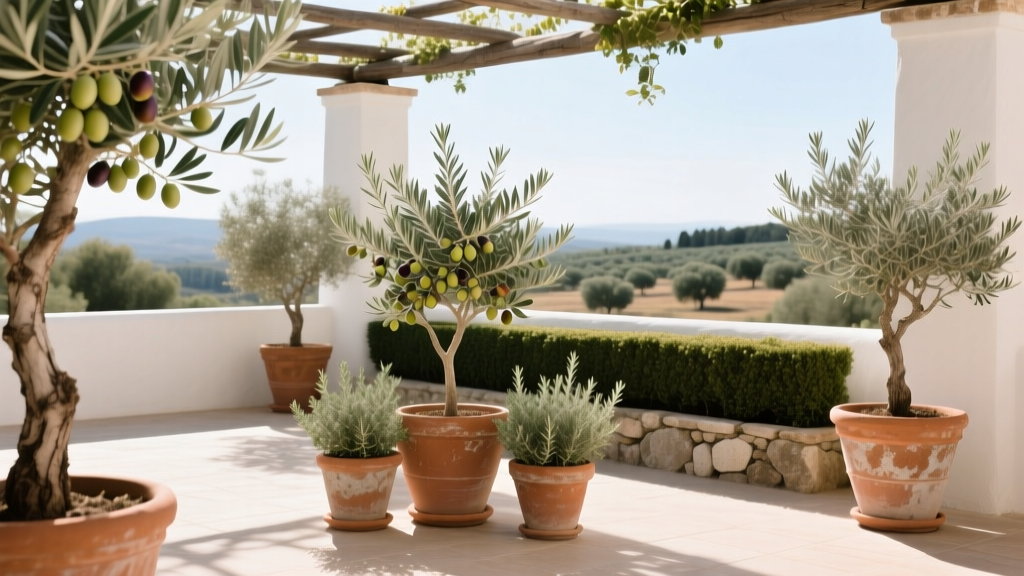
2026 Mediterranean Container Guide: Potted Olives & Rosemary
Emily WatsonPublished
The Rise of Modular Mediterranean Landscaping
The Mediterranean landscape style evokes sun-drenched coastlines, fragrant herbs, and striking silvery foliage. However, for homeowners lacking expansive yards, dealing with heavy clay soils, or living in climates with freezing winters, traditional in-ground Mediterranean gardening can be a monumental challenge. In 2026, the landscaping industry has fully embraced modular container gardening as the ultimate solution. By utilizing large-scale architectural planters and modular trough systems, you can cultivate a stunning, authentic olive tree and rosemary hedge oasis on any patio, balcony, or courtyard. This approach not only provides complete control over soil drainage but also allows you to move your landscape indoors or into protected areas during harsh weather.
Selecting Olive Trees for Container Culture
The cornerstone of any Mediterranean design is the olive tree (Olea europaea). When confined to containers, selecting the right cultivar is paramount. Standard olive trees can grow upwards of 30 feet tall, making them entirely unsuitable for long-term pot cultivation. Instead, modern landscaping relies on dwarf or semi-dwarf varieties that thrive with restricted root systems.
Top Cultivars for 2026 Container Setups
- Arbequina: The undisputed champion for potted cultivation. Arbequina is naturally compact, highly adaptable to container life, and self-fertile, meaning it can produce fruit without a cross-pollinator. Its silvery-green foliage provides that classic Mediterranean shimmer.
- Koroneiki: A Greek variety that is slightly more upright than Arbequina but responds beautifully to pruning. It is exceptionally drought-tolerant and features narrow, elegant leaves.
- Little Ollie: A non-fruiting dwarf olive specifically bred for patios and small spaces. If your primary goal is architectural foliage without the mess of dropped fruit on your decking, this is the premier choice for 2026.
According to the University of California Olive Center, container-grown olives require aggressive pruning of the central leader to encourage a bushy, manageable canopy. In a container, you should aim to maintain the tree at roughly 5 to 6 feet tall, thinning the interior branches annually to allow sunlight to penetrate the center of the tree.
Choosing the Right Planter for Olives
In 2026, the trend has shifted away from traditional, heavy terracotta. While aesthetically pleasing, terracotta wicks moisture too quickly in the summer and is highly susceptible to cracking in freezing temperatures. Today, high-density polyethylene (HDPE) and glass-fiber reinforced concrete (GFRC) planters are the industry standard. Brands like Crescent Garden and Lechuza offer self-watering reservoir systems that are invaluable for olives, which prefer a deep, thorough watering followed by a period of complete soil dryness. Ensure your chosen pot has a minimum diameter of 24 inches and a depth of at least 24 inches to accommodate the olive's deep taproot system.
Designing Rosemary Hedges in Trough Planters
Hedging in containers requires a shift in perspective. Instead of planting directly into the ground, you will use rectangular trough planters to create linear, fragrant borders that define outdoor rooms. Rosemary (Salvia rosmarinus) is the perfect candidate for this, offering year-round evergreen structure and culinary utility.
Best Rosemary Varieties for Hedging
For a formal, upright hedge in a trough, avoid prostrate or trailing varieties like 'Prostratus'. Instead, look for upright cultivars that can be sheared into neat, boxwood-like shapes.
- Tuscan Blue: The gold standard for container hedging. It grows vigorously, maintains a natural upright columnar shape, and produces beautiful pale blue flowers in late winter.
- Gorizia: Known for its unusually large, broad leaves and striking ginger-scented foliage. It grows taller and more rigid than most varieties, making an excellent privacy screen in large troughs.
- Majorca Pink: Offers a softer, slightly more relaxed look with beautiful pink-tinged flowers, ideal for a more informal, cottage-style Mediterranean border.
The Royal Horticultural Society (RHS) notes that rosemary requires exceptional air circulation to prevent fungal diseases like powdery mildew, which can be a risk when plants are grouped closely in hedges. When planting your trough, space the rosemary plants 12 to 18 inches apart. This provides the illusion of a solid hedge while allowing enough airflow to keep the foliage dry and healthy.
Trough Selection and Placement
To create a cohesive 2026 Mediterranean landscape, match your trough planters to your olive tree pots. Corten steel troughs offer a stunning, rust-patina contrast against the silver-green foliage of the rosemary, while matte black or charcoal GFRC troughs provide a modern, minimalist backdrop. Ensure your troughs are at least 18 inches wide and 18 inches deep. Elevate the troughs slightly on pot feet or hidden casters to guarantee unimpeded drainage and protect your patio surface from water staining.
The Ultimate Mediterranean Potting Mix
The most common cause of failure in Mediterranean container gardening is root rot. These plants evolved in rocky, arid coastal hillsides and absolutely despise 'wet feet'. Standard commercial potting soils, which are heavily reliant on peat moss and moisture-retaining crystals, will suffocate olive and rosemary roots.
As detailed by Texas A&M AgriLife Extension, proper drainage is the single most critical factor in container gardening success. For 2026, professional landscapers are mixing custom, ultra-draining substrates specifically for Mediterranean pots. Use the following recipe to fill your olive planters and rosemary troughs:
- 30% High-Quality Potting Soil: Provides a base structure and minimal organic nutrients.
- 30% Pumice or Perlite: Pumice is preferred as it is heavier, preventing the soil from becoming top-heavy, and it retains just enough internal moisture without waterlogging the mix.
- 20% Crushed Granite or Grit: Adds weight and creates large macropores for rapid water escape.
- 20% Calcined Clay (e.g., Turface): Improves aeration and prevents soil compaction over the years.
Pro Tip: Never use saucers under your Mediterranean containers during the rainy season. Even with a perfect soil mix, a saucer will turn your planter into a bathtub, guaranteeing root rot within weeks.
Watering, Feeding, and Overwintering
Container-grown Mediterranean plants require a different feeding schedule than their in-ground counterparts. Because water flushes nutrients out of the potting mix every time you irrigate, you must replenish them regularly. In early spring, apply a slow-release, balanced fertilizer formulated for citrus and avocados. Olives are particularly sensitive to boron and zinc deficiencies; if you notice yellowing leaves with green veins, supplement with a liquid kelp and micronutrient drench.
Overwintering is the ultimate test for container Mediterranean landscapes. Olives and rosemary are generally hardy down to USDA Zone 8 (approx. 10°F to 15°F). If you live in Zone 7 or below, your containers must be moved to an unheated garage, a sunroom, or a greenhouse where temperatures stay just above freezing. Reduce watering to a bare minimum during the winter dormancy period—just enough to keep the stems from desiccating. For those in milder climates who leave the pots outdoors, wrap the planters in bubble wrap or burlap to insulate the roots, and drape the foliage with frost cloth on nights where temperatures are forecast to drop below 25°F.
2026 Cost Breakdown for a Container Oasis
Building a high-end modular Mediterranean landscape is an investment in your outdoor living space. Below is a realistic cost estimate for a standard patio setup featuring two large olive trees and a 12-foot rosemary trough hedge in 2026.
| Item | Specification | Estimated 2026 Cost |
|---|---|---|
| Arbequina Olive Trees | 2 x 15-Gallon Specimens (5-6 ft tall) | $240 - $320 |
| GFRC Olive Planters | 2 x 28-inch Cylinder (Frost-proof) | $300 - $450 |
| Tuscan Blue Rosemary | 8 x 3-Gallon Nursery Pots | $160 - $200 |
| GFRC Trough Planter | 1 x 12-foot Linear Trough (Segmented) | $400 - $600 |
| Custom Soil Mix | Pumice, Grit, Calcined Clay, Base Soil | $120 - $150 |
| Fertilizer & Amendments | Citrus Slow-Release, Liquid Kelp | $40 - $60 |
| Total Estimated Investment | Complete Patio Transformation | $1,260 - $1,780 |
Conclusion
Creating a Mediterranean landscape using containers and troughs is one of the most rewarding landscaping projects you can undertake in 2026. By selecting the right dwarf cultivars, investing in frost-proof architectural planters, and strictly managing your soil drainage, you can enjoy the timeless elegance of silver-leafed olives and fragrant rosemary hedges regardless of your native soil conditions. Embrace the modularity of container gardening, and transform your patio into a private, sun-drenched coastal retreat.

