Pest Control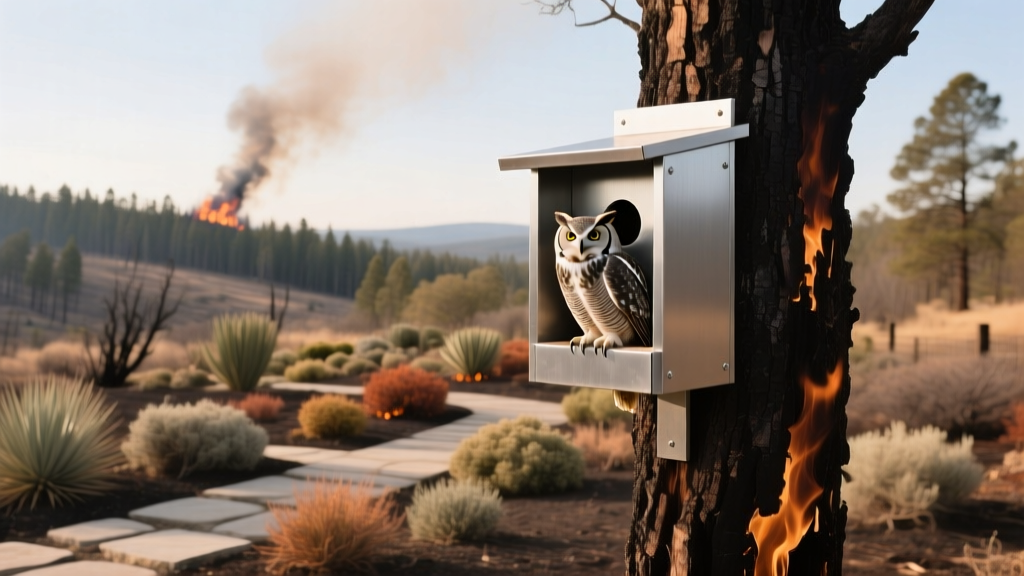
Fire-Safe Owl Box Placement For Rodent Control In 2026
Lisa ThompsonPublished
The Intersection of Biocontrol and Fire-Resistant Landscaping
As homeowners and land managers navigate the increasingly stringent fire codes of 2026, maintaining a lush, healthy, and fire-resistant landscape requires a delicate balance. One often-overlooked threat to defensible space is rodent activity. Pocket gophers, voles, and ground squirrels do more than just ruin your turf; they actively compromise your fire-safety infrastructure. By chewing through subsurface drip irrigation lines and damaging the root systems of fire-resistant native plants, rodents create pockets of dead, dry vegetation that serve as highly combustible fuel. Furthermore, their extensive tunneling networks destabilize soil and promote the growth of invasive, flammable weeds like cheatgrass and wild mustard.
To combat this without resorting to chemical rodenticides—which pose severe secondary poisoning risks to local wildlife and violate many municipal integrated pest management (IPM) ordinances—landscapers are turning to natural biocontrol. The American Barn Owl (Tyto furcata) is a voracious predator, with a single family consuming up to 3,000 rodents per year. However, traditional wooden owl boxes present a severe liability in wildfire-prone areas. In 2026, integrating owl nesting boxes into your property requires strict adherence to fire-resistant landscaping principles, ensuring that your biocontrol strategy does not inadvertently introduce new ignition hazards.
Why Traditional Wooden Owl Boxes Fail in Fire Zones
Historically, barn owl boxes were constructed from untreated pine or cedar. While these materials are inexpensive and provide adequate insulation, they are fundamentally incompatible with modern defensible space guidelines. According to the latest 2026 updates from CAL FIRE's Defensible Space program, introducing large, dry wooden structures into the immediate vicinity of your home or within heavily vegetated zones creates an ember-catchment hazard. During a wind-driven fire event, a wooden owl box can easily ignite from wind-blown embers, turning a beneficial wildlife feature into an airborne torch that threatens your primary residence.
Moreover, mounting wooden boxes directly to the trunks of mature oak or pine trees violates the vertical clearance rules mandated by most fire-prone counties. To safely harness the power of barn owls for rodent biocontrol, we must rethink both the materials we use and the spatial geometry of where we place them.
Selecting Fire-Smart Nesting Materials
When selecting an owl box for a fire-resistant landscape, the material dictates where the box can legally and safely be placed. In 2026, the market offers several advanced, fire-resistant alternatives that maintain the necessary thermal properties for owlet survival while eliminating combustible risks.
| Material | Fire Resistance Rating | Thermal Insulation | Estimated 2026 Cost | Best Zone Placement |
|---|---|---|---|---|
| Galvalume Steel | Non-Combustible | Poor (Requires shading) | $180 - $250 | Zone 1 & Zone 2 |
| Fiber-Cement Board | Non-Combustible | Excellent | $150 - $220 | Zone 1 & Zone 2 |
| Recycled HDPE Plastic | High (Melts, won't flash) | Good | $120 - $180 | Zone 2 Only |
| Untreated Wood (Cedar) | Highly Combustible | Excellent | $80 - $120 | Not Recommended |
Pro Tip: If you opt for a Galvalume steel box, ensure it is painted with a reflective, heat-resistant ceramic coating or positioned under the dappled shade of a high-canopy, fire-resistant deciduous tree to prevent the interior from overheating during late-summer heatwaves. Fiber-cement board (similar to James Hardie siding materials) has emerged as the gold standard for 2026, offering the thermal mass of wood with the non-combustible properties of concrete.
Strategic Placement Within Defensible Space Zones
Proper placement is critical not only for the safety of your home but also for the hunting efficacy of the owls. The UC Agriculture and Natural Resources (ANR) Fire program emphasizes a zoned approach to vegetation and structure management. Here is how owl boxes fit into the 2026 defensible space framework:
Zone 0: The Immediate Ignition Zone (0–5 Feet)
Rule: Absolutely no owl boxes. This zone must remain completely free of combustible materials, including wooden poles, nesting debris, and the guano (droppings) that accumulates beneath roosting sites. Keep this area hardscaped or planted with low-growing, high-moisture succulents.
Zone 1: The Lean, Clean, and Green Zone (5–30 Feet)
Rule: Only non-combustible boxes (metal or fiber-cement) mounted on galvanized steel poles are permitted. Do not mount boxes to wooden fences, trellises, or the sides of your home. The steel pole must be set in a concrete footing to prevent it from toppling during high winds and to eliminate the need for wooden support braces that could harbor dry leaves and pine needles.
Zone 2: The Reduced Fuel Zone (30–100 Feet)
Rule: You have more flexibility here, but best practices still dictate using metal poles. This is the ideal zone for owl boxes, as it borders the wildland-urban interface where rodent populations are typically highest. Ensure the box is placed at least 10 feet away from the drip line of any highly flammable coniferous trees.
Step-by-Step Installation for Fire Zones
Installing an owl box in a fire-prone area requires careful consideration of the surrounding environment to prevent accidental ignition during the installation process.
- Timing: Install your box between November and January. This is the dormant season for owls (they begin scouting for nests in February) and, more importantly, it is usually outside the peak fire season. Digging post holes in dry, brittle grass during August with metal augers can create sparks that ignite wildfires.
- Height and Angle: Mount the box 10 to 15 feet above the ground on a 2-inch diameter galvanized steel pipe. Face the entry hole (which must be exactly 3 inches in diameter to exclude larger predators) away from prevailing winds and direct afternoon sun.
- Clearing the Drop Zone: Owls are messy eaters. The area directly beneath the box will accumulate pellets, bones, and nesting debris. In a fire-resistant landscape, you must maintain this drop zone. Replace the grass beneath the pole with a 3-foot circle of crushed gravel or decomposed granite. This creates a non-combustible hardscape island that is easy to rake clean and prevents dry organic matter from piling up around the base of the pole.
Managing the Hunting Ground for Fire Safety
Barn owls require open, low-vegetation areas to effectively spot and dive for rodents. However, leaving large swaths of land completely bare invites soil erosion and the colonization of highly invasive, flash-fuel weeds. According to experts at the Hungry Owl Project, maintaining a balanced hunting ground is essential for long-term biocontrol success.
To create a fire-safe hunting corridor in Zone 2 without resorting to bare dirt:
- Mow Strategically: Keep grasses in the hunting zone mowed to a height of 4 to 6 inches during the spring growing season. This is low enough for owls to spot gopher movement but high enough to shade the soil, retain moisture, and suppress the germination of invasive weed seeds.
- Utilize Targeted Grazing: For larger properties, renting a small herd of goats or sheep in the early spring is an excellent, fire-safe way to reduce fuel loads and maintain low vegetation without the use of gas-powered mowers or chemical herbicides.
- Plant Fire-Resistant Groundcovers: In irrigated areas, replace thirsty turf with low-growing, fire-resistant groundcovers like creeping thyme or succulent mats (e.g., Delosperma). These plants stay green and low to the ground, providing the visual clearance owls need while acting as a living firebreak.
Conclusion
Integrating barn owl nesting boxes into your property is one of the most effective, eco-friendly methods of rodent control available. However, as wildfire risks and regulations continue to evolve in 2026, we can no longer rely on the rustic wooden boxes of the past. By selecting non-combustible materials like fiber-cement or coated steel, adhering strictly to defensible space zoning, and managing the surrounding hunting grounds with fire-smart landscaping techniques, you can protect your home from both subterranean pests and above-ground wildfires. Embrace modern biocontrol, but always prioritize the safety of your defensible space.