Gardening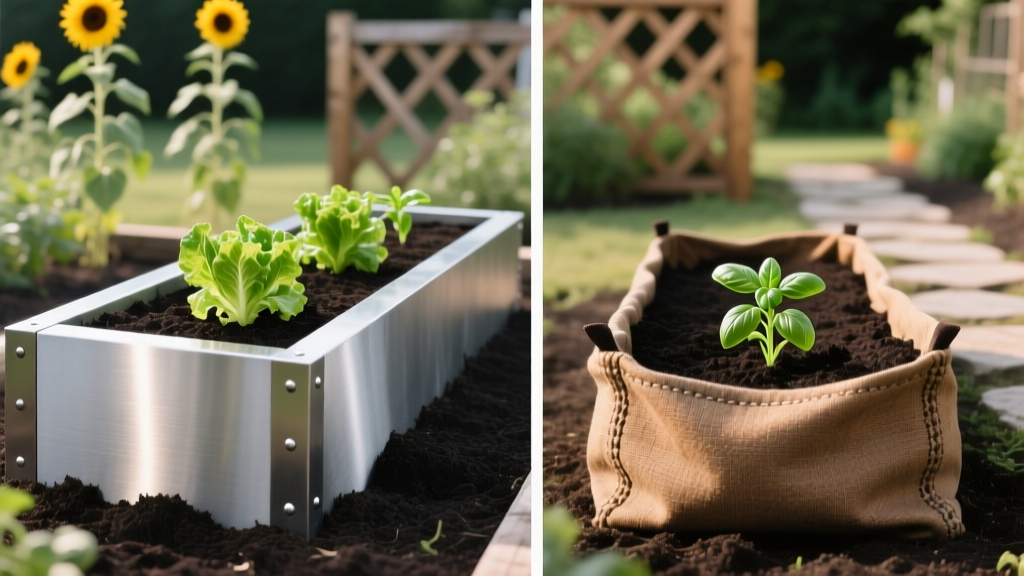
Metal Vs Fabric Raised Garden Beds: Brands Compared
Emily WatsonPublished
The Great Debate: Metal vs. Fabric Raised Beds
Raised bed gardening has completely transformed how homeowners approach vegetable and flower cultivation. By elevating the soil environment, gardeners gain superior control over drainage, soil composition, and weed management. However, when it comes to selecting the physical structure of your beds, a massive debate continues to rage in the horticultural community: should you invest in rigid metal raised beds or opt for flexible fabric grow bags? Both options offer distinct advantages, but they cater to very different gardening styles, budgets, and long-term landscape goals. In this comprehensive product review and comparison, we will dissect the top brands in both categories, analyze soil temperature dynamics, and break down the hidden costs of soil volume to help you make an informed decision for your garden.
Why Material Matters in Raised Bed Gardening
The material of your raised bed dictates more than just the aesthetic of your backyard. It influences soil temperature fluctuations, moisture retention, root aeration, and the overall lifespan of your garden infrastructure. Wood has traditionally been the go-to material, but concerns over rot, chemical leaching from treated lumber, and termite damage have driven gardeners toward modern alternatives. Metal and fabric have emerged as the two leading contenders, each engineered to solve specific horticultural challenges.
Top Metal Raised Bed Brands Reviewed
Vego Garden Modular Aluzinc Beds
Vego Garden has taken the gardening world by storm with its modular Aluzinc steel beds. Aluzinc is a zinc-aluminum alloy coating that provides exceptional corrosion resistance, boasting a lifespan of up to twenty years or more. The standard 4x8 foot configuration at a 17-inch depth retails for approximately $250 to $300.
Assembly is remarkably straightforward, utilizing a wingnut and bolt system that requires no power tools. The primary advantage of Vego Garden beds is their structural rigidity and premium aesthetic. They easily withstand the lateral pressure of wet soil and freezing winter expansion. However, gardeners should be cautious of the sharp top edges; while Vego provides a rubber safety edge trim, it requires careful installation to prevent cuts during maintenance.
Birdies Cold-Rolled Steel Raised Beds
Originating from Australia, Birdies Raised Beds are constructed from cold-rolled galvanized steel. Priced slightly lower than Vego, a comparable 4x8 foot bed costs around $180 to $220. The steel is coated with a protective layer that resists rust, though it may eventually show surface patina after a decade of exposure to acidic soils and heavy rainfall.
Birdies beds are celebrated for their sleek, corrugated design and reinforced bracing rods that prevent the long sides from bowing outward under the weight of dense, wet soil. They are an excellent mid-tier investment for gardeners who want the permanence of metal without the absolute premium price tag of heavy-duty Aluzinc.
Top Fabric Raised Bed Brands Reviewed
Smart Pot Geotextile Raised Beds
Smart Pot is a pioneer in fabric container gardening. Their large raised bed planters, typically measuring 4x8 feet with a 12-inch depth, cost between $50 and $80. Made from a proprietary, BPA-free geotextile fabric, these beds prioritize root health through a process known as air pruning. When roots reach the edge of the fabric, they are exposed to air, which halts their outward growth and stimulates the development of a dense, fibrous root mass.
The major selling point of Smart Pot beds is their unparalleled drainage and aeration. They are virtually impossible to overwater, making them ideal for heavy clay soil regions or areas with extreme rainfall. The downside is longevity; UV exposure and constant moisture will degrade the fabric within three to five years. Furthermore, they lack structural rigidity, meaning they can bulge or shift if placed on uneven ground.
GeoPot Heavy-Duty Fabric Planters
GeoPot offers a more budget-friendly alternative, with large rectangular beds available for $30 to $50. Constructed from thick, felt-like geotextile material, GeoPots are highly portable and can be folded away during the off-season. They are an excellent choice for renters, rooftop gardens, or gardeners who need to move their beds to chase seasonal sunlight.
While GeoPots excel in airflow, the porous fabric wicks moisture away from the soil edges rapidly. During the peak of summer, a 4x8 GeoPot will require significantly more frequent irrigation than a metal counterpart. Gardeners using GeoPots must commit to a strict watering schedule or install a drip irrigation system to prevent the outer edges of the soil from drying out completely.
Head-to-Head Feature Comparison Chart
| Feature | Vego Garden (Metal) | Birdies (Metal) | Smart Pot (Fabric) | GeoPot (Fabric) |
|---|---|---|---|---|
| Material | Aluzinc Steel | Galvanized Steel | Geotextile Fabric | Felt Geotextile |
| Average Cost (4x8) | $280 | $200 | $65 | $40 |
| Expected Lifespan | 20+ Years | 10-15 Years | 3-5 Years | 2-4 Years |
| Assembly Time | 45 Minutes | 60 Minutes | 5 Minutes | 5 Minutes |
| Drainage | Requires Liner/Holes | Requires Liner/Holes | Superior (360-degree) | Superior (360-degree) |
| Soil Moisture Retention | High | High | Low to Moderate | Low |
As illustrated in the chart above, the initial cost of fabric beds is a fraction of their metal counterparts. However, when amortized over a twenty-year period, metal beds often prove to be the more economical choice, eliminating the need for triennial replacements.
Soil Temperature and Plant Health Dynamics
One of the most critical factors in raised bed gardening is soil temperature, which directly impacts seed germination, microbial activity, and root development. According to the University of Minnesota Extension, raised beds generally warm up faster in the spring than in-ground soil, allowing for earlier planting dates. However, the material of the bed drastically alters this thermal dynamic.
Metal beds, particularly those in dark colors or unshaded areas, can absorb and radiate significant solar heat. While this is highly beneficial in early spring or cooler climate zones (USDA Zones 3-5), it can lead to soil temperatures that stress plant roots during the peak of summer. To mitigate this, many gardeners apply a thick layer of organic mulch to insulate the soil surface and shade the exterior metal walls.
Conversely, fabric beds offer natural insulation and evaporative cooling. As moisture evaporates through the porous sides of a Smart Pot or GeoPot, it draws heat away from the soil profile. This keeps the root zone remarkably cool during August heatwaves, protecting sensitive crops like tomatoes and peppers from blossom drop and heat stress. However, this same cooling effect means fabric beds may take longer to thaw and warm up in early spring, potentially delaying your first planting window.
The Hidden Cost: Soil Volume and Amendments
When budgeting for raised beds, novice gardeners often focus solely on the cost of the structure, severely underestimating the expense of filling it. A standard 4x8 foot bed that is 17 inches deep holds approximately 48 cubic feet of soil.
To achieve the optimal loamy texture recommended for vegetable production, many experts suggest a variation of Mel's Mix: one-third blended compost, one-third coarse vermiculite, and one-third peat moss or coco coir. Purchasing these ingredients in bulk from a local landscape supply yard will cost roughly $150 to $250 per bed. If you opt for pre-bagged organic raised bed soil from a big-box hardware store, the cost can easily exceed $400 per bed.
Because fabric beds wick moisture so aggressively, they require a higher percentage of moisture-retaining amendments. Gardeners using GeoPots or Smart Pots should increase the coco coir or compost ratio by ten percent to prevent the soil matrix from becoming hydrophobic. Metal beds, which retain moisture efficiently, benefit from the addition of perlite or pumice to ensure adequate drainage and prevent soil compaction over time.
Final Verdict: Which Should You Buy?
The choice between metal and fabric raised beds ultimately depends on your timeline, budget, and landscape permanence. If you are a homeowner looking to establish a permanent, low-maintenance vegetable garden with a polished, modern aesthetic, the Vego Garden Aluzinc beds are an unmatched investment. Their structural integrity and two-decade lifespan justify the premium upfront cost.
On the other hand, if you are a renter, a rooftop gardener, or a budget-conscious grower experimenting with a new garden layout, fabric beds from Smart Pot or GeoPot offer incredible versatility. Their superior aeration and air-pruning capabilities yield exceptionally healthy root systems, provided you are willing to manage the increased irrigation demands and replace the fabric every few years. By aligning your material choice with your specific horticultural goals, you can build a thriving, productive garden that stands the test of time.
