Home & Garden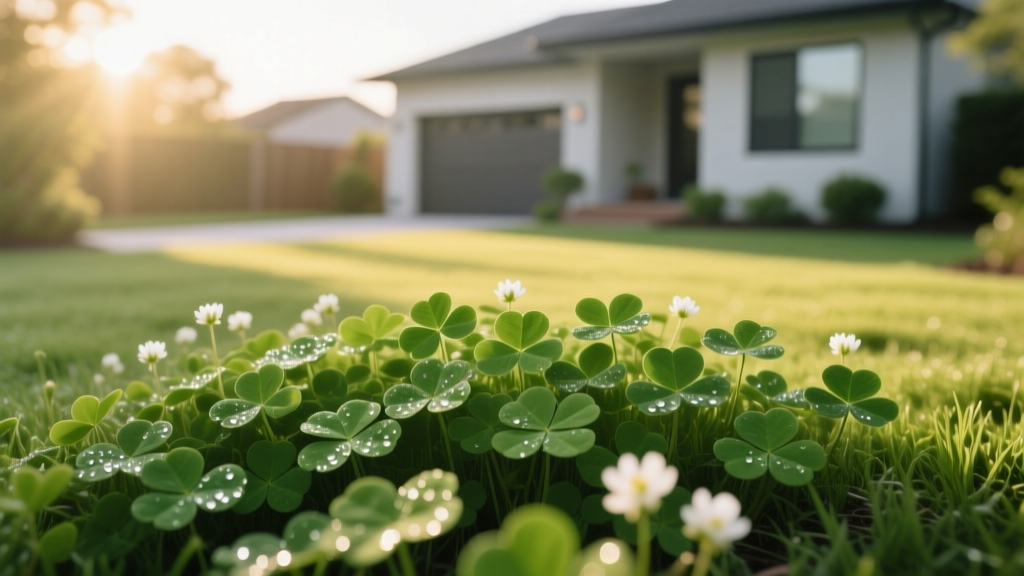
How to Plant a Micro-Clover Lawn: The Viral Anti-Lawn Trend
David ParkPublished
The Rise of the Viral Anti-Lawn Movement
If you have spent any time on TikTok, Instagram, or Pinterest recently, you have likely encountered the 'anti-lawn' movement. Eco-conscious homeowners and landscaping influencers are ditching high-maintenance, water-thirsty turfgrass in favor of sustainable, biodiverse alternatives. At the absolute center of this viral trend is the micro-clover lawn. Unlike traditional white clover, which can grow tall and patchy, micro-clover (Trifolium repens 'Pirouette' or similar dwarf varieties) stays low to the ground, tolerates foot traffic, and creates a lush, emerald-green carpet that requires a fraction of the upkeep.
The appeal is obvious: micro-clover fixes its own nitrogen from the atmosphere, eliminating the need for synthetic fertilizers. It stays green during mid-summer droughts when Kentucky Bluegrass turns brown and dormant, and it is highly resistant to the yellow burn spots caused by dog urine. For homeowners looking to bridge the gap between stunning outdoor aesthetics and energy-efficient, eco-friendly landscaping, converting to a micro-clover lawn is the ultimate viral hack that actually delivers on its promises.
Traditional Turfgrass vs. Micro-Clover: By the Numbers
Before you break ground, it is essential to understand how this trending groundcover compares to traditional turf. According to the EPA WaterSense program, traditional turfgrass landscaping accounts for nearly a third of all residential water use in the United States. Micro-clover dramatically shifts this paradigm. Below is a side-by-side comparison to help you visualize the long-term impact of this conversion.
| Feature | Traditional Turfgrass (e.g., Fescue/Bluegrass) | Micro-Clover Lawn |
|---|---|---|
| Water Requirements | 1 to 1.5 inches per week (High) | 0.5 inches per week once established (Low) |
| Mowing Frequency | Weekly during peak growing season | Optional; once a month at 2-3 inches for a manicured look |
| Fertilizer Needs | 3-4 synthetic applications per year | Zero nitrogen required; fixes its own from the air |
| Drought Tolerance | Poor; goes dormant and brown quickly | Excellent; deep taproots maintain green color |
| Establishment Cost | $0.15 - $0.30 per sq. ft. (Seed/Sod) | $0.05 - $0.12 per sq. ft. (Seed only) |
Step-by-Step Micro-Clover Conversion Guide
Converting your yard is not as simple as throwing seeds over your existing grass. To achieve the dense, weed-free look seen in viral landscaping reels, you must follow a meticulous preparation and sowing process. Here is your comprehensive, actionable guide to planting a micro-clover lawn.
Phase 1: Site Preparation and Sheet Mulching
The most successful viral method for lawn removal is 'sheet mulching,' a permaculture technique that smothers existing grass without the back-breaking labor of tilling or the environmental hazards of chemical herbicides like glyphosate.
- Mow Low: Set your mower to its lowest setting (around 1.5 inches) and scalp the existing lawn. Bag the clippings to remove excess organic matter that could create a barrier.
- Aerate: Use a core aerator to punch holes into the soil. This improves drainage and gives the clover's deep taproots a head start.
- Apply Cardboard: Lay down overlapping sheets of plain, uncoated contractor-grade cardboard (remove all tape and labels). Wet the cardboard thoroughly so it conforms to the soil contours. This blocks sunlight, killing the grass beneath while eventually breaking down into carbon-rich compost.
- Top Dress: Apply a thin layer (about 1/4 inch) of screened compost or topsoil over the wet cardboard to provide a seedbed.
Phase 2: Seed Selection and Sowing
Not all clover is created equal. You must purchase pelleted micro-clover seed from reputable suppliers like Outsidepride or Pt Lawn. Pelleted seeds are coated in a clay-like substance that makes them heavier, preventing them from blowing away in the wind and ensuring better soil contact.
- Seeding Rate: Use 1 to 2 pounds of pure micro-clover seed per 1,000 square feet. If you are overseeding into an existing, thinned-out lawn rather than starting from bare dirt, reduce the rate to 0.5 pounds per 1,000 square feet.
- The Sand Trick: Because clover seeds are incredibly tiny, mix your seed with dry masonry sand at a ratio of 1 part seed to 4 parts sand. This adds bulk and allows you to use a standard broadcast spreader evenly without clumping.
- Sowing: Spread the seed/sand mixture in two perpendicular passes (north-south, then east-west) to guarantee uniform coverage.
Phase 3: Smart Irrigation for Establishment
While mature clover is highly drought-tolerant, the first 21 days of germination are critical. The seeds must remain consistently moist but not waterlogged. This is where smart home integration shines.
Pairing your sprinkler system with a smart irrigation controller like the Rachio 3 or Orbit B-hyve allows you to set up a 'New Seed' micro-schedule. Program your smart controller to water the lawn for just 3 to 5 minutes, three to four times a day (early morning, noon, and late afternoon). These smart controllers use local weather data to automatically skip watering cycles if a surprise spring rainstorm rolls in, saving you money and preventing seed rot. According to research on sustainable lawns by the University of Minnesota Extension, precise moisture management during the establishment phase is the single biggest factor in the long-term density and success of alternative, eco-friendly lawns.
Maintenance and Long-Term Care
Once your micro-clover lawn is established (usually after 4 to 6 weeks), the maintenance drops off a cliff, freeing up your weekends for garden-to-table cooking or relaxing on your patio furniture. However, a few seasonal tasks will keep your yard looking pristine.
- Mowing: While you never *have* to mow clover, doing so once every three weeks at a height of 2.5 to 3 inches encourages lateral growth, creating a thicker, more carpet-like density. It also removes any occasional flower heads, which is preferred by those who want a traditional lawn aesthetic and wish to minimize bee traffic in high-play areas.
- Fertilizing: Do not apply nitrogen fertilizers; this will only encourage aggressive broadleaf weeds to outcompete the clover. If a soil test indicates a phosphorus or potassium deficiency, apply an organic amendment like Espoma Organic Bone Meal or Greensand in the early fall.
- Weed Control: Avoid broadleaf herbicides at all costs, as they will kill your clover. Instead, rely on the dense mat of the clover to naturally choke out dandelions and crabgrass. Hand-pull any stubborn intruders during the first year.
Cost Breakdown: Is It Worth the Investment?
One of the main drivers of the micro-clover trend on social media is the massive return on investment. Let us break down the estimated costs for a standard 2,000-square-foot front yard conversion.
- Cardboard & Compost: $150 (often free if sourced from local appliance stores and municipal compost sites)
- Micro-Clover Seed (4 lbs): $80 - $120
- Core Aeration Rental: $75 for a half-day
- Smart Sprinkler Controller (Optional Upgrade): $150 - $230
- Total Initial Investment: ~$455 - $575
Compare this to the annual cost of maintaining traditional turf, which includes water bills, fertilizer applications, aeration, and mower fuel. Most homeowners report that their micro-clover lawn pays for itself in reduced maintenance and water costs within 18 to 24 months. Furthermore, by integrating smart home irrigation and eliminating chemical runoff, you are future-proofing your property against increasingly strict municipal water restrictions and contributing to a healthier local watershed.
Final Thoughts on the Eco-Lawn Revolution
The shift away from the flawless, manicured golf-course aesthetic toward functional, sustainable landscapes is more than just a fleeting internet trend. It is a fundamental rethinking of how our outdoor spaces interact with the local ecosystem. By converting your yard to micro-clover, you are embracing a living mulch that feeds the soil, conserves water, and provides a soft, durable surface for outdoor living. Whether you are looking to reduce your weekend chore list or simply want to be the envy of your neighborhood's eco-conscious circle, the micro-clover lawn is a viral sensation that truly lives up to the hype.
