Gardening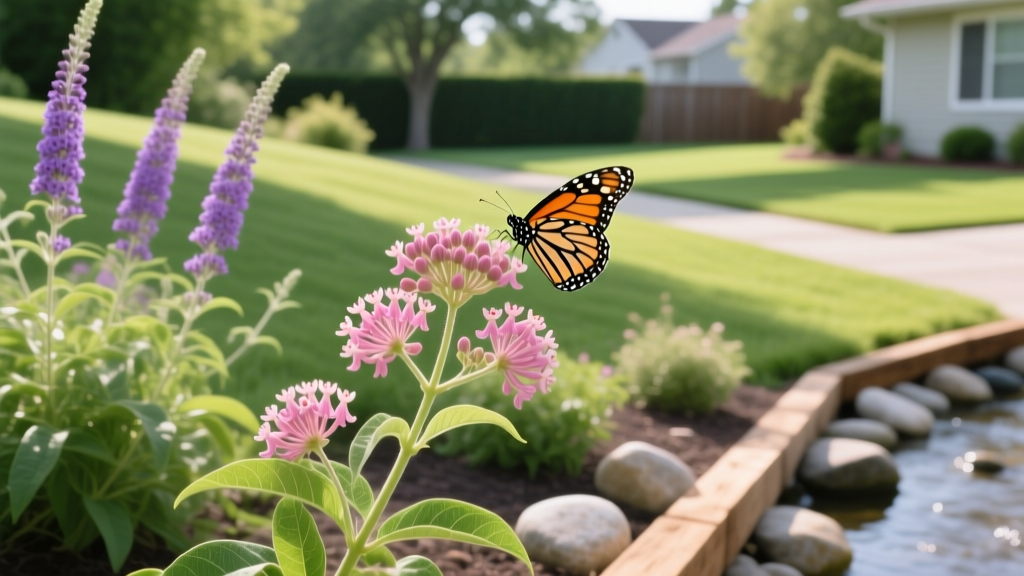
2026 Butterfly Garden Design: Milkweed And Buddleja Guide
Sarah ChenPublished
The Evolution of Pollinator Gardens in 2026
As we embrace the 2026 gardening season, the paradigm of landscape design has shifted dramatically toward ecological resilience and targeted wildlife support. Gardeners are no longer just planting for aesthetics; they are cultivating vital waystations for declining pollinator populations. Among the most rewarding and impactful projects you can undertake is a dedicated butterfly garden. However, modern pollinator-friendly design requires a nuanced understanding of plant ecology, particularly when combining native host plants with high-nectar non-natives. This guide explores the strategic pairing of native milkweed (Asclepias species) and sterile cultivars of the butterfly bush (Buddleja davidii) to create a visually stunning, ecologically responsible, and highly attractive habitat for monarchs, swallowtails, and painted ladies.
The Power Couple: Understanding Milkweed and Butterfly Bush
To design a successful butterfly garden in 2026, you must understand the distinct biological roles that different plants play. A common mistake among novice gardeners is planting only nectar-rich flowers while ignoring the reproductive needs of the butterflies. Butterflies require two distinct types of flora: host plants for caterpillar development and nectar plants for adult sustenance.
Why Native Milkweed is Non-Negotiable for Monarchs
Milkweed is the sole host plant for the monarch butterfly (Danaus plexippus). Monarch females will exclusively lay their eggs on the leaves of Asclepias species, and the resulting caterpillars feed only on this genus. The plant contains cardenolides, a toxic compound that the caterpillars sequester to deter predators. According to the Xerces Society Monarch Conservation program, habitat loss and the eradication of native milkweeds are primary drivers of the monarch population decline. By integrating native milkweed into your garden, you are directly participating in the species' survival. In 2026, the focus is on planting regionally appropriate native species rather than tropical milkweed (Asclepias curassavica), which can harbor the debilitating OE (Ophryocystis elektroscirrha) parasite if not cut back properly.
The Truth About Butterfly Bush (Buddleja davidii)
The butterfly bush is legendary for its ability to draw dozens of butterflies to a single shrub. Its long, conical panicles are packed with nectar-rich florets that act as a magnet for adult pollinators. However, the straight species of Buddleja davidii is highly invasive in many North American and European zones, outcompeting native flora and disrupting local ecosystems. The responsible 2026 gardening standard dictates the use of sterile or low-fertility cultivars. Varieties such as 'Blue Chip', 'Purple Haze', and 'Miss Violet' have been meticulously bred to produce negligible amounts of viable seed, eliminating the risk of ecological escape while retaining the irresistible nectar profile that adult butterflies crave. It is crucial to remember that butterfly bush is strictly a nectar source; it does not support the larval stage of any native North American butterfly.
Designing Your 2026 Butterfly Garden Layout
A well-designed butterfly garden mimics natural ecosystems while providing the specific microclimates that pollinators need to thrive. When combining the structural height of the butterfly bush with the herbaceous nature of milkweed, spatial arrangement is key.
Sunlight, Soil, and Spacing Requirements
Both milkweed and butterfly bush demand full sun, requiring a minimum of six to eight hours of direct sunlight daily to produce maximum nectar and sustain vigorous growth. Butterflies are ectothermic and rely on ambient heat and direct sunlight to regulate their body temperature and fuel flight. When laying out your garden beds, position the tallest plants—the butterfly bushes—at the back or center of the border. Space sterile Buddleja cultivars 36 to 48 inches apart to ensure adequate air circulation, which prevents fungal diseases like powdery mildew. In the foreground and midground, plant your milkweed in 'drifts' or clusters of three to five plants. This mass planting technique not only creates a striking visual impact but also makes it easier for foraging female monarchs to locate the host plants from the air. Space Asclepias tuberosa (Butterfly Weed) 18 to 24 inches apart, and give the larger Asclepias syriaca (Common Milkweed) 24 to 36 inches to accommodate its aggressive rhizomatous spread.
Companion Planting for Continuous Bloom
To ensure your garden remains a pollinator hub from early spring through late autumn, you must bridge the bloom gaps. While milkweed typically peaks in mid-summer and sterile butterfly bushes bloom continuously from early summer until the first frost, incorporating native companions enhances biodiversity. Consider adding Echinacea purpurea (Purple Coneflower), Liatris spicata (Blazing Star), and Solidago (Goldenrod) to provide a continuous nectar buffet and support a wider array of native bee species.
Milkweed vs. Sterile Butterfly Bush: Comparison Chart
Understanding the horticultural and ecological differences between your primary plant choices will help you manage expectations and maintenance schedules throughout the 2026 growing season.
| Plant Variety | Hardiness Zones | Bloom Time | Ecological Role | Spacing | Maintenance Level |
|---|---|---|---|---|---|
| Asclepias syriaca (Common Milkweed) | 3-9 | June - August | Monarch Host & Nectar | 24-36 inches | Low (Spreads via rhizomes) |
| Asclepias tuberosa (Butterfly Weed) | 3-9 | July - September | Monarch Host & Nectar | 18-24 inches | Low (Deep taproot, drought-tolerant) |
| Asclepias incarnata (Swamp Milkweed) | 3-9 | July - August | Monarch Host & Nectar | 18-24 inches | Medium (Requires consistent moisture) |
| Buddleja 'Blue Chip' (Sterile Dwarf) | 5-9 | June - First Frost | Nectar Source Only | 24-36 inches | Medium (Requires deadheading) |
| Buddleja 'Miss Violet' (Sterile) | 5-10 | June - First Frost | Nectar Source Only | 36-48 inches | Medium (Requires deadheading) |
Step-by-Step Planting and Maintenance Guide
Proper installation and seasonal care are vital for establishing a robust pollinator waystation. The University of Minnesota Extension provides excellent regional guidelines for milkweed establishment that apply broadly across temperate zones.
Soil Preparation and Planting
Butterfly bush is highly adaptable and thrives in average to poor, well-draining soils. In fact, overly rich soil can lead to excessive foliage growth at the expense of flower production. Milkweed preferences vary by species: Swamp Milkweed tolerates heavy clay and wet feet, while Butterfly Weed demands sharp drainage and will rot in soggy soil. Before planting, amend heavy clay beds with organic compost to improve structure, but avoid synthetic fertilizers. High nitrogen levels will produce lush, weak stems that are prone to aphid infestations and lodging. When transplanting, dig a hole twice as wide as the root ball but no deeper, ensuring the crown sits exactly at the soil line. Water deeply immediately after planting to eliminate air pockets.
Pruning and Deadheading for Maximum Nectar
The secret to a relentless display of butterfly bush blooms from June to October is diligent deadheading. As the conical flower spikes fade and turn brown, snip them off just above the next set of lateral buds. This prevents the plant from wasting energy on seed development (even in sterile varieties, the plant will try) and signals it to produce a new flush of nectar-rich blooms. For milkweed, deadheading is generally avoided once the blooms fade, as the resulting seed pods are a beautiful winter interest and provide valuable downy fluff for nesting birds. However, if you wish to prevent common milkweed from self-seeding aggressively within your garden bed, you can remove the pods in late autumn before they split open.
Adding Micro-Habitats: Basking Stones and Puddling Stations
A truly comprehensive 2026 butterfly garden goes beyond flora. Butterflies require specific physical landscape features to complete their life cycles and maintain their health. Integrate flat, dark-colored stones (such as slate or basalt) into your garden beds, positioned in direct morning sunlight. These act as basking stations, allowing butterflies to absorb solar radiation and raise their internal body temperature to the 85°F threshold required for sustained flight. Additionally, create a 'puddling station' by burying a shallow terracotta saucer filled with coarse sand, a pinch of sea salt, and a few pieces of decomposing fruit. Male butterflies will congregate at these damp, mineral-rich areas to extract essential sodium and amino acids, which are then transferred to females during mating to ensure viable egg production.
Sourcing Ethical and Sterile Cultivars
When purchasing plants for your pollinator garden, provenance matters. Avoid big-box store plants that may have been treated with systemic neonicotinoid pesticides, which are lethal to the very caterpillars you are trying to attract. Seek out local native plant nurseries or use the National Wildlife Federation Native Plant Finder to locate ethically propagated, chemical-free milkweed species native to your specific zip code. When sourcing butterfly bush, meticulously check the plant tags to verify that you are purchasing a certified sterile hybrid, ensuring your garden remains a responsible part of the local ecosystem rather than a vector for invasive spread.
Overwintering Strategies for 2026 Climate Shifts
As climate patterns continue to fluctuate, adapting your winter garden maintenance is crucial for pollinator survival. The outdated practice of 'putting the garden to bed' by cutting all perennials to the ground in late autumn is highly detrimental to local wildlife. Milkweed stalks and the woody bases of butterfly bushes serve as vital overwintering real estate. Many butterfly species, including the mourning cloak and the eastern comma, overwinter as adults in leaf litter and brush piles, while others attach their chrysalises to the rigid, dried stems of milkweed. Delay your spring cleanup until daytime temperatures consistently remain above 50°F. This ensures that any overwintering beneficial insects and pupae have the opportunity to emerge naturally with the warming of the spring sun, kickstarting the 2026 pollinator season with a healthy, vibrant population.
Conclusion
Designing a butterfly garden with native milkweed and sterile butterfly bush is one of the most profoundly rewarding endeavors a home gardener can undertake. By combining the critical larval host capabilities of Asclepias with the unparalleled adult nectar draw of sterile Buddleja cultivars, you create a complete, self-sustaining ecosystem right in your backyard. Through mindful layout, ethical sourcing, and ecologically sensitive maintenance, your 2026 garden will not only be a breathtaking visual display but also a crucial sanctuary for the monarchs and myriad pollinators that grace our skies.
