Gardening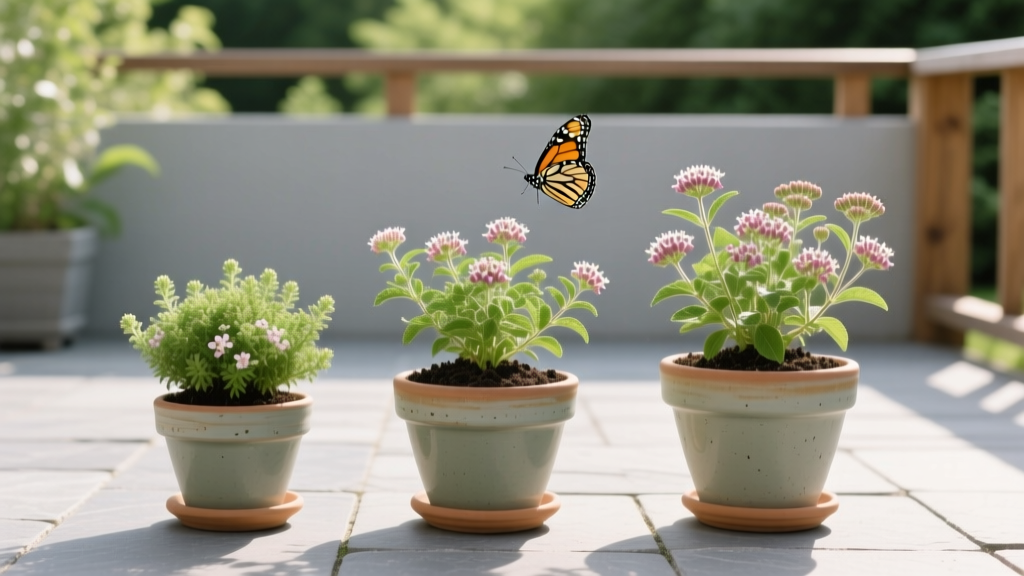
2026 Guide: Growing Milkweed & Butterfly Bush in Pots
Anna KowalskiPublished
Introduction to Container Butterfly Gardening in 2026
As urban spaces shrink and the push for pollinator conservation grows, the 2026 gardening season has seen a massive surge in patio, balcony, and rooftop habitats. You no longer need a sprawling backyard to support declining monarch populations or attract vibrant swallowtails. By strategically utilizing container and pot gardening techniques, you can cultivate a thriving butterfly garden using milkweed and butterfly bush right on your patio. This comprehensive guide will walk you through the exact varieties, container sizes, soil recipes, and overwintering strategies required to succeed with these deep-rooted perennials in a confined space.
According to the Xerces Society for Invertebrate Conservation, urban and suburban container gardens play a crucial role in creating connected pollinator corridors. When traditional ground space is limited, potted habitats serve as vital stepping stones for migrating monarchs and local pollinators alike.
Choosing the Right Varieties for Pots
Standard butterfly bush (Buddleja davidii) and common milkweed (Asclepias syriaca) are aggressive growers with massive taproots and rhizomatous spreading habits. In a container, these standard varieties will quickly become root-bound, top-heavy, and stunted. For the 2026 container gardener, selecting dwarf and compact cultivars is non-negotiable.
Dwarf Butterfly Bush Cultivars
The butterfly bush is a nectar powerhouse, but you need varieties bred specifically for small spaces. Look for the following patented dwarf shrubs, which typically max out at 2 to 3 feet in height and width:
- Pugster Blue: A fantastic, compact shrub that produces thick, true-blue panicles. It is highly drought-tolerant once established and stays under 2 feet tall, making it perfect for a 20-inch patio pot.
- Lo & Behold 'Blue Chip': A non-invasive, sterile variety that blooms continuously without deadheading. It has a low, spreading habit that looks beautiful cascading slightly over the edge of a large resin planter.
- Summer Skies: Slightly taller (up to 4 feet) but easily pruned to maintain a shrubby, manageable profile in a half-barrel container.
Container-Friendly Milkweed Varieties
Milkweed is the mandatory host plant for monarch caterpillars. While common milkweed is too aggressive, the following varieties thrive in container environments:
- Swamp Milkweed (Asclepias incarnata): Despite the name, this variety does not require a bog. It forms a neat, clumping habit (unlike the spreading rhizomes of common milkweed) and features gorgeous pink, vanilla-scented flowers. The 'Soulmate' cultivar is particularly well-suited for large pots.
- Tropical Milkweed (Asclepias curassavica): An annual in most of North America, but a brilliant, fast-growing option for container gardens. It features striking red and yellow blooms. Note: In zones 9-11, you must cut this back in late fall to prevent OE (Ophryocystis elektroscirrha) parasite buildup on the leaves.
- Whorled Milkweed (Asclepias verticillata): A delicate, fine-textured perennial that does exceptionally well in shallower, wide trough planters.
Selecting the Best Containers and Soil
Because butterfly bush and swamp milkweed are woody or semi-woody perennials, they require substantial soil volume to insulate their roots and retain moisture during the peak heat of the 2026 summer months.
Pot Sizing and Materials
For a mature dwarf butterfly bush, you need a container that holds at least 15 to 20 gallons of soil. Look for a pot with a minimum diameter of 20 to 24 inches. For swamp milkweed, a 10-gallon pot (16-inch diameter) is sufficient for 2 to 3 plants.
Material Matters: Avoid unglazed terracotta. It wicks moisture away from the soil too quickly and is prone to cracking during freeze-thaw cycles in the winter. Instead, invest in high-density polyethylene (HDPE) resin planters, fiberglass pots, or heavy glazed ceramic. In 2026, UV-stabilized resin planters that mimic the look of stone or wood are widely available for $60 to $120, offering excellent durability and root insulation.
The Ultimate Pollinator Potting Mix
Do not use garden soil or topsoil in containers; it will compact and suffocate the roots. You need a lightweight, well-draining, yet nutrient-retentive mix. Create your own using this proven recipe:
- 60% Premium Potting Mix: A high-quality, peat-based or coco-coir-based mix (e.g., FoxFarm Ocean Forest or Pro-Mix).
- 20% Perlite or Pumice: Essential for drainage and preventing root rot, especially for the butterfly bush.
- 10% Organic Compost: Provides slow-release micronutrients and beneficial biology.
- 10% Coarse Sand: Adds weight to the pot to prevent top-heavy shrubs from blowing over in high winds.
Planting and Arrangement Strategy
When designing your patio layout, consider the sun and wind exposure. Both milkweed and butterfly bush require full sun (at least 6 to 8 hours of direct sunlight daily) to produce the nectar necessary to attract butterflies. Grouping your pots together creates a microclimate that helps retain humidity and reduces watering frequency.
| Plant Variety | Mature Height in Pots | Minimum Pot Size | Sun Exposure | Watering Frequency (Peak Summer) |
|---|---|---|---|---|
| Pugster Blue Butterfly Bush | 2 ft | 18-inch (15 gal) | Full Sun (6+ hrs) | Every 2-3 days |
| Soulmate Swamp Milkweed | 3 ft | 16-inch (10 gal) | Full to Part Sun | Daily in peak heat |
| Tropical Milkweed | 3-4 ft | 14-inch (7 gal) | Full Sun | Daily |
| Lo & Behold 'Blue Chip' | 2.5 ft | 20-inch (20 gal) | Full Sun (6+ hrs) | Every 2-3 days |
Maintenance, Feeding, and Pruning
Container plants rely entirely on you for nutrients, as they cannot send roots out into the earth to forage. However, butterfly gardens require a delicate balance: too much nitrogen will result in lush, green foliage but very few flowers.
Fertilizing for Blooms, Not Just Leaves
In early spring, as new growth emerges, mix a granular, organic, slow-release fertilizer into the top inch of the soil. A product like Espoma Organic Bio-tone Starter Plus or a bloom-booster with a lower nitrogen and higher phosphorus ratio (e.g., 5-10-5) is ideal. Avoid synthetic, high-nitrogen lawn fertilizers at all costs. Liquid kelp or fish emulsion can be applied as a foliar spray once a month during the growing season to provide trace minerals.
Deadheading and Pruning
To keep your butterfly bush blooming from June through September, you must deadhead spent flower panicles. Snip the faded blooms just above the first set of healthy leaves. This prevents the plant from putting energy into seed production and encourages lateral branching, resulting in a bushier plant with more nectar sites. For swamp milkweed, allow the seed pods to form in late summer if you wish to collect seeds for future planting, but remove them before they burst to prevent unwanted patio messes.
Pest Management in Container Habitats
Aphids are notorious for attacking the tender new growth of milkweed. While it is tempting to reach for chemical sprays, never use systemic pesticides or broad-spectrum insecticides in a butterfly garden. These chemicals will kill the very monarch caterpillars you are trying to support. Instead, rely on integrated pest management (IPM). A strong blast of water from your hose is often enough to dislodge aphids. Alternatively, introduce live ladybugs or lacewings to your patio in the early evening; they will happily set up residence in your potted plants and devour the aphid colonies. The National Wildlife Federation strongly advocates for chemical-free zones to ensure the safety of developing caterpillars and adult pollinators.
Overwintering Potted Milkweed and Butterfly Bush
The most significant challenge of container butterfly gardening is overwintering. A plant that is perfectly hardy in the ground in USDA Zone 6 may die in a pot in the same zone because the roots are exposed to freezing ambient air temperatures on all sides. As a general rule, treat your potted perennials as if they are growing two hardiness zones warmer than your actual location.
Strategies for Cold Climates (Zones 4-6)
- The Trench Method: If you have ground space, dig a shallow trench, place the entire pot into the ground, and mulch heavily over the top and sides. This insulates the roots using the earth's geothermal mass.
- The Unheated Garage: Once the plants have gone dormant and dropped their leaves after the first hard frost, move the pots into an unheated garage, shed, or basement. The goal is to keep the roots cold (between 30°F and 40°F) so they remain dormant, but protected from lethal freezing winds. Water them sparingly—just enough to keep the soil from turning to dust—once a month.
- Insulation Wrapping: If the pots must stay on the patio, group them tightly together against a south-facing wall. Wrap the exterior of the pots in bubble wrap, burlap stuffed with dry leaves, or specialized horticultural fleece to buffer the roots against freeze-thaw cycles.
"Overwintering perennials in containers requires mimicking the natural insulation of the earth. Without it, the repeated freezing and thawing of potting soil will heave and destroy the root systems of even the hardiest butterfly bushes." — Penn State Extension
Conclusion
Designing a butterfly garden with milkweed and butterfly bush in containers is one of the most rewarding projects you can undertake in 2026. By selecting dwarf cultivars, utilizing large, well-draining resin pots, and following strict overwintering protocols, you can transform a barren concrete patio into a bustling, colorful oasis. Not only will you elevate your outdoor living space, but you will also provide a critical lifeline for migrating monarchs and native pollinators navigating the modern urban landscape.
