Gardening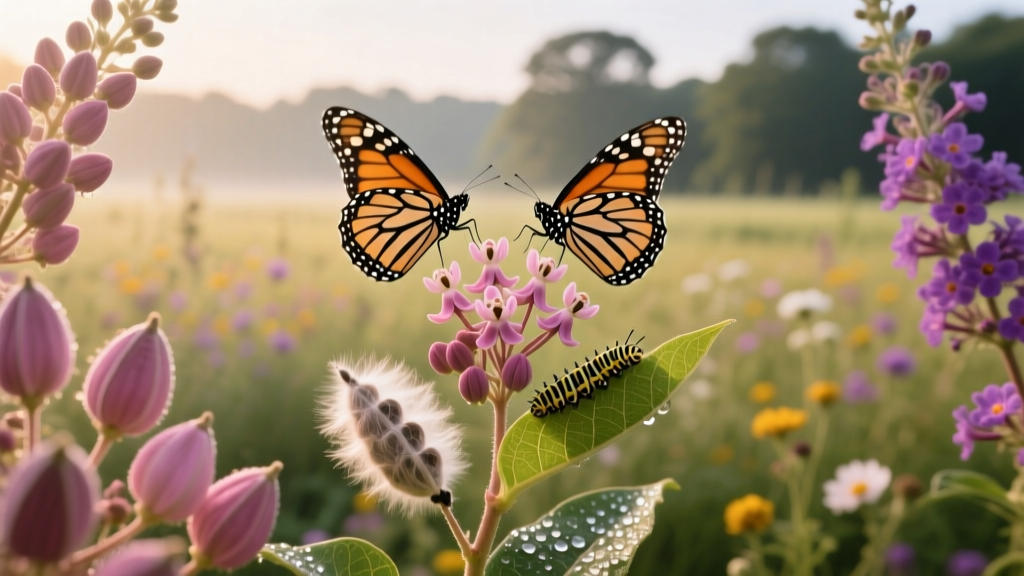
2026 Butterfly Garden Design: Photographing Milkweed & Bushes
Emily WatsonPublished
The Intersection of Garden Design and Pollinator Photography in 2026
As we navigate the 2026 growing season, the art of garden photography has evolved from simple snapshot documentation into a vital tool for ecological tracking and botanical art. For home gardeners and nature enthusiasts, designing a landscape specifically tailored for photography requires a unique blend of horticultural knowledge and visual strategy. When it comes to capturing the vibrant, fluttering world of pollinators, no plant combination is more iconic or effective than milkweed (Asclepias) and the butterfly bush (Buddleja davidii). However, creating a garden that attracts these winged subjects while simultaneously providing the perfect backdrop for macro and telephoto photography demands careful planning.
This comprehensive guide will walk you through designing a milkweed and butterfly bush garden optimized for the camera lens. From selecting the latest sterile cultivars recommended by 2026 ecological guidelines to mastering the lighting and layout for stunning bokeh, you will learn how to transform your backyard into a thriving, photogenic pollinator sanctuary. According to the Xerces Society for Invertebrate Conservation, integrating native host plants with non-invasive nectar sources is the gold standard for modern pollinator support, ensuring your garden is both ecologically responsible and visually breathtaking.
Strategic Garden Layout: Designing for the Lens
A common mistake in garden photography is planting subjects too close to fences, walls, or chaotic backgrounds. To capture professional-quality images of butterflies feeding on milkweed and butterfly bushes, you must design your garden beds with 'background separation' in mind. In 2026, the trend in garden design heavily favors deep, layered borders that allow photographers to position themselves at various angles without trampling adjacent plants.
Optimizing Sun Paths and Golden Hour Lighting
Both milkweed and butterfly bushes require full sun—at least six to eight hours of direct sunlight daily. To maximize photographic opportunities, map your garden's sun path. Plant your tallest butterfly bushes at the back of the border, but ensure they are positioned where the early morning or late afternoon sun will backlight their translucent flower panes. Backlighting during the 'golden hour' creates a glowing halo effect around butterfly wings and highlights the intricate silk threads of monarch chrysalises.
Creating Accessible Shooting Angles
Install narrow, hidden pathways or stepping stones parallel to your main planting beds. This allows you to move laterally with your tripod, keeping the camera sensor parallel to the butterfly's wings—a crucial technique for maintaining a sharp focal plane when shooting at wide apertures like f/2.8 or f/4. Leave at least three feet of clearance between the front of your milkweed clusters and the edge of the path to accommodate low-angle macro shots without casting your own shadow over the subjects.
2026 Plant Selection: Ecological Responsibility Meets Visual Impact
Selecting the right cultivars is critical. In recent years, many regions have updated their invasive species lists, and traditional butterfly bushes have faced restrictions due to their aggressive reseeding habits. For the 2026 season, it is imperative to choose sterile or low-fertility Buddleja cultivars that provide abundant nectar without spreading into local wildlands. The Monarch Joint Venture also emphasizes the importance of planting regionally appropriate, native milkweed species to support local monarch populations safely.
Top Photogenic Cultivars for 2026
- Butterfly Bush 'Miss Violet' (Sterile): Features deep, rich purple panicles that provide excellent color contrast against the bright orange and yellow tones of native milkweeds. Its compact 4-to-5-foot height makes it easy to shoot from eye level.
- Butterfly Bush 'Blue Chip Jr.' (Sterile): A dwarf variety perfect for foreground framing. Its continuous bloom cycle from early summer to the first frost ensures you have subjects to photograph for months.
- Swamp Milkweed (Asclepias incarnata): Native to most of the US, its clusters of pink, vanilla-scented flowers are a magnet for monarchs. The sturdy, upright stems hold heavy caterpillars and chrysalises perfectly still, reducing motion blur in macro shots.
- Butterfly Weed (Asclepias tuberosa): Brilliant, fiery orange blooms that pop against a green background. It prefers drier soil and offers a striking, textured foliage backdrop for close-up insect photography.
Photography & Plant Data Comparison Chart
| Plant Species / Cultivar | Mature Height | Bloom Color | Best Photographic Use | Recommended Lens Focal Length |
|---|---|---|---|---|
| Asclepias incarnata (Swamp Milkweed) | 3 - 4 feet | Pink / Mauve | Caterpillar & Chrysalis Macro | 90mm - 105mm Macro |
| Asclepias tuberosa (Butterfly Weed) | 2 - 3 feet | Bright Orange | Low-Angle Pollinator Action | 70-200mm Telephoto |
| Buddleja 'Miss Violet' (Sterile) | 4 - 5 feet | Deep Purple | Flight & Feeding Behavior | 100-400mm Telephoto |
| Buddleja 'Blue Chip Jr.' (Sterile) | 2 - 2.5 feet | Lavender / Blue | Foreground Bokeh Framing | 50mm - 85mm Prime |
Camera Gear and Settings for Pollinator Macro Photography
Capturing the erratic, fast-paced movements of butterflies requires specialized gear and quick reflexes. In 2026, the integration of AI-driven subject tracking in modern mirrorless cameras has revolutionized insect photography. Cameras equipped with dedicated 'Animal/Insect Eye-AF' can now lock onto the compound eyes or intricate wing patterns of a butterfly feeding on a milkweed flower, even when the subject is darting between blooms.
Essential Gear for the Butterfly Garden
A dedicated macro lens in the 90mm to 105mm range is the workhorse of the pollinator photographer. This focal length provides a 1:1 magnification ratio while allowing you to maintain a comfortable working distance of about six to eight inches from the subject, preventing you from startling the butterfly or casting a shadow. For skittish species or when photographing from a distance, a 100-400mm telephoto lens with a close minimum focusing distance is invaluable.
Dialing in the Exposure Triangle
Butterflies rarely sit perfectly still. Even when feeding on a butterfly bush, their wings may slowly open and close, or they may twitch in the breeze. To freeze this motion, prioritize your shutter speed. Set your camera to Shutter Priority or Manual mode with Auto-ISO, aiming for a minimum shutter speed of 1/1000th of a second for active feeding, and 1/2000th of a second if you are attempting to capture mid-flight takeoffs. Keep your aperture between f/5.6 and f/8; while wide apertures like f/2.8 create beautiful background blur, they result in a razor-thin depth of field that will often leave the butterfly's antennae or wing edges out of focus.
Documenting the Monarch Lifecycle: A Time-Lapse Approach
Beyond capturing beautiful portraits, a well-designed milkweed garden offers the rare opportunity to document the complete lifecycle of the monarch butterfly. This requires a shift from active handheld shooting to patient, static documentation. The National Wildlife Federation's Garden for Wildlife program highly encourages citizen scientists to document these lifecycles to help track regional population health and migration timing.
Finding and Photographing Eggs and Instars
Inspect the undersides of your milkweed leaves daily during the peak summer months. Monarch eggs are tiny, pale yellow, and ridged. Use a macro lens with a ring flash or a dual-point macro flash to illuminate the shaded undersides of the leaves without blowing out the highlights. As the caterpillars hatch and progress through their five instar stages, their striking yellow, black, and white banding provides incredible textural detail for close-up photography.
Setting Up a Chrysalis Time-Lapse
When a caterpillar forms its iconic jade-green and gold-speckled chrysalis, it is time to set up a time-lapse rig. Mount your camera on a sturdy tripod in a shaded, wind-protected area of the garden. Use an intervalometer or your camera's built-in time-lapse function to capture one frame every five minutes. The final emergence (eclosion) of the adult monarch is a rapid, miraculous event that takes only a few minutes, but a time-lapse sequence compressed into a 10-second video creates a stunning, shareable piece of ecological documentation that highlights the magic of your garden design.
Soil Preparation and Eco-Friendly Maintenance
A photogenic garden is a healthy garden. Milkweeds and butterfly bushes have different soil requirements that must be balanced if planted in the same general bed. Butterfly bushes thrive in well-draining, slightly alkaline soil and are highly drought-tolerant once established. Swamp milkweed, conversely, prefers moist, rich soil, while butterfly weed prefers dry, sandy, or rocky conditions. Group your plants according to their hydro-zones to prevent root rot and ensure vigorous, photogenic blooms.
Crucially, you must maintain a strict zero-pesticide policy. Even organic pesticides like neem oil or insecticidal soaps will kill the very caterpillars you are trying to photograph and document. Embrace the holes in your milkweed leaves; they are the ultimate proof of a functioning ecosystem and a prerequisite for the incredible macro photography opportunities that follow. By designing your 2026 garden with both the pollinator's needs and the photographer's lens in mind, you create a dynamic, living studio that will yield breathtaking images and vital ecological data for years to come.
