Pest Control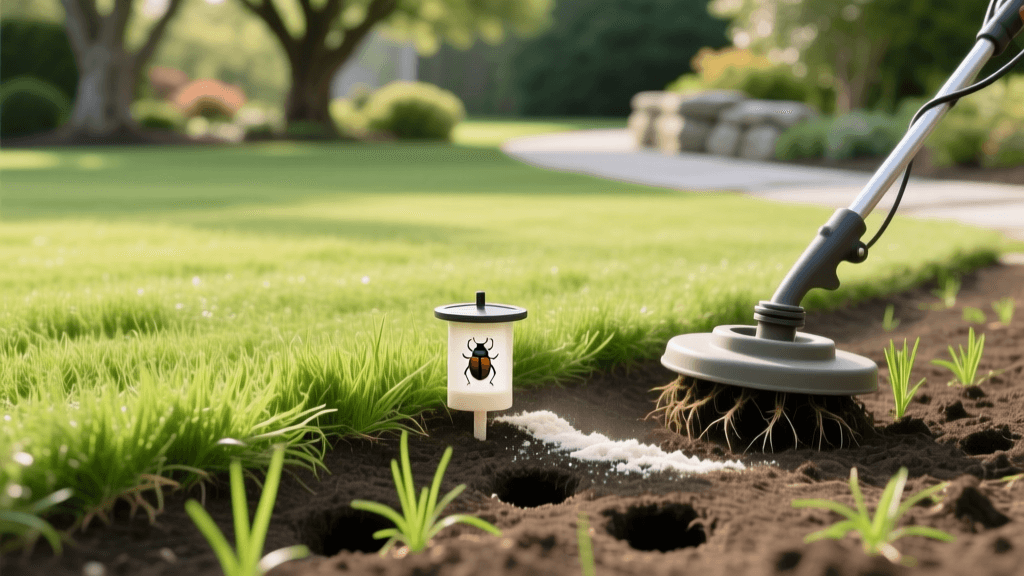
2026 Guide: Milky Spore & Japanese Beetle Traps After Aeration
Japanese beetles (Popillia japonica) remain one of the most destructive turfgrass pests in North America, and climate trends in 2026 indicate that warmer, wetter springs are leading to higher grub survival rates. For lawn care professionals and dedicated homeowners, managing this pest requires a multi-faceted approach. However, treating for grubs and adult beetlers is only half the battle; restoring the lawn through core aeration and overseeding is equally critical. By integrating biological controls like Milky Spore and strategic adult trap placement directly into your aeration and seeding calendar, you can break the beetle life cycle while cultivating a thicker, more resilient turf.
The Biological Approach: Milky Spore and Soil Aeration
Milky Spore (Paenibacillus popilliae) is a naturally occurring bacterium that specifically targets Japanese beetle grubs. When grubs ingest the spores while feeding on grassroots, the bacteria multiply inside their hemolymph, eventually killing them and releasing billions of new spores back into the soil. According to the University of Maryland Extension, Milky Spore can remain active in the soil for 10 to 15 years, making it a premier long-term investment for lawn health.
However, the efficacy of Milky Spore hinges entirely on soil contact and depth. Grubs typically feed 2 to 4 inches below the soil surface. If you simply broadcast Milky Spore powder over a lawn with a thick thatch layer, the spores will remain trapped on the surface, rendering them useless. This is where core aeration becomes your most valuable pest control tool.
How to Combine Aeration with Milky Spore Application
In 2026, the recommended protocol for biological grub control relies on the physical pathways created by core aerators. Follow these steps for maximum spore infiltration:
- Step 1: Core Aerate First. Use a heavy-duty core aerator (such as a Billy Goat or Agri-Fab model) to pull 2-to-3-inch soil plugs across the entire lawn. Ensure the soil is moderately moist so the tines penetrate deeply.
- Step 2: Apply Milky Spore. Immediately after aeration, apply the Milky Spore powder or granules. The open aeration holes act as direct conduits, allowing the spores to bypass the thatch layer and drop exactly into the root zone where grubs feed.
- Step 3: Water and Leave Plugs. Water the lawn lightly (about 1/4 inch) to wash the spores into the aeration holes. Do not rake up the soil plugs; let them break down naturally to return beneficial microbes to the surface.
Strategic Japanese Beetle Trap Placement
While Milky Spore handles the subterranean grub stage, you must also manage the adult flying beetles that emerge in early summer. Japanese beetle traps utilize a combination of floral lures and sex pheromones to attract adults. However, improper placement is a common and disastrous mistake. As noted by Penn State Extension, traps placed too close to prized turfgrass will actually draw more beetles into your yard than they catch, resulting in increased mating and egg-laying in your soil.
Protecting Your Future Seedbed
If you are planning a late-summer overseeding renovation, the adult beetles present in July and August are the exact population that will lay the eggs capable of destroying your new fall seedlings. To protect your upcoming aeration and seeding investment, trap placement must be highly strategic:
- Distance is Key: Place traps at least 30 to 50 feet away from the lawn you intend to aerate and seed. Position them near the property line, adjacent to wooded areas, or near non-essential sacrificial plants.
- Wind Direction: Place traps downwind from your lawn. The pheromone plume should blow away from your turf, intercepting beetles before they reach your grass.
- Trap Maintenance: In 2026, reusable canopy traps like the RESCUE! Japanese Beetle Trap are highly recommended over disposable bag models. Empty the canopy every 48 hours during peak emergence to prevent the scent of decaying beetles from repelling new arrivals.
Overseeding with Beetle-Resistant Grass Varieties
Once the adult traps have reduced the summer population and the Milky Spore is working in the soil, late August and early September present the ideal window for core aeration and overseeding. When selecting seed to repair grub damage, opt for endophyte-enhanced turfgrasses. Endophytes are beneficial fungi that live within the grass plant and produce alkaloids that naturally deter chewing insects, including adult Japanese beetles and surface-feeding pests.
For cool-season lawns, modern 2026 cultivars of Tall Fescue and perennial Ryegrass offer excellent endophyte protection and deep root systems that tolerate minor grub feeding better than shallow-rooted Kentucky Bluegrass.
2026 Integrated Lawn Care & Pest Control Calendar
Timing is everything. Aligning your aeration, seeding, and pest control schedules ensures that each action supports the next. Below is a structured timeline for cool-season turfgrass lawns.
| Time of Year | Beetle Life Stage | Aeration & Seeding Action | Pest Control Action |
|---|---|---|---|
| May - Early June | Grubs pupating; Adults emerging | Light spring aeration (if soil is compacted) | Apply Milky Spore into aeration holes |
| Mid June - July | Adults flying, mating, feeding | Mow high (3.5 inches); avoid seeding | Deploy pheromone traps 50ft away from lawn |
| August | Eggs hatching into young grubs | Prepare soil; conduct soil tests | Monitor traps; evaluate grub thresholds |
| Sept - Early Oct | Grubs feeding heavily on roots | Core Aerate & Overseed with endophyte grass | Milky Spore targets young grubs; keep seed moist |
| Nov - Winter | Grubs move deep for dormancy | Final late-season fertilization | Clean and store beetle traps for next year |
Product and Cost Comparison for 2026
Budgeting for an integrated pest management (IPM) and lawn renovation strategy requires understanding the cost-to-benefit ratio of biological versus mechanical controls. Below is a comparison of popular 2026 products utilized in this strategy.
| Product / Method | Type | Est. Cost (per 5,000 sq ft) | Longevity & Notes |
|---|---|---|---|
| St. Gabriel Organics Milky Spore Powder | Biological Grub Control | $65.00 (10 oz box) | 10-15 years. Best applied via aeration holes. |
| RESCUE! Japanese Beetle Trap (Canopy) | Adult Pheromone Trap | $25.00 (Hardware + Lures) | Reusable. Lures must be replaced every 3-4 weeks. |
| Core Aeration (DIY Rental) | Cultural / Mechanical | $85.00 (Half-day rental) | Annual. Essential for spore delivery and seed-to-soil contact. |
| Endophyte-Enhanced Tall Fescue Seed | Cultural / Turf Defense | $45.00 (10 lbs) | Annual seeding. Deters surface feeding insects. |
Final Thoughts on Integrated Lawn Renovation
Managing Japanese beetles in 2026 is no longer just about spraying harsh chemicals that harm beneficial pollinators and soil biology. By viewing pest control through the lens of lawn renovation, you can create a hostile environment for grubs while fostering a vibrant turf. Core aeration is the linchpin of this strategy: it physically delivers Milky Spore to the root zone, alleviates soil compaction, and creates the perfect seedbed for endophyte-enhanced grasses. When paired with intelligently placed pheromone traps that intercept adults before they can lay eggs in your freshly seeded lawn, you achieve a comprehensive, eco-friendly defense system. For more detailed federal guidelines on managing this invasive pest, refer to the USDA APHIS Japanese Beetle resource page. Stick to the calendar, trust the biological processes, and enjoy a thick, grub-free lawn for years to come.