Lawn Care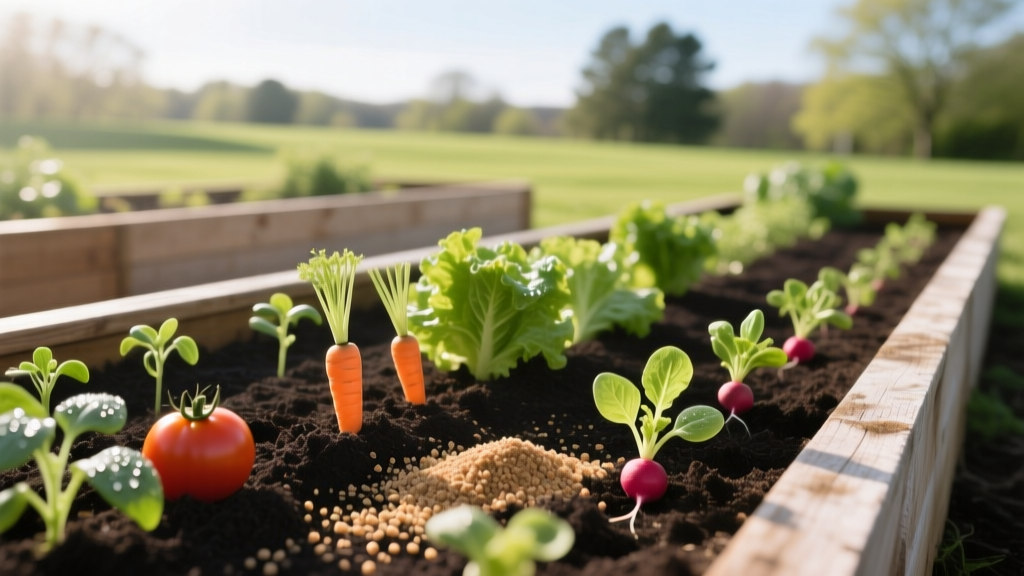
Using Milorganite in Raised Bed Vegetable Gardens: 2026 Guide
Sarah ChenPublished
Bridging Turf and Table: Spring Fertilization for Raised Beds
While lawnsguide.com is your premier destination for turf management, the fundamental principles of soil health extend directly into the vegetable patch. As more homeowners integrate edible landscaping into their backyard ecosystems, raised bed vegetable gardening has become a cornerstone of the 2026 spring planting season. Raised beds offer superior drainage, warmer soil temperatures, and reduced compaction, but their intensive planting nature means nutrients are rapidly depleted. To achieve a bumper crop this year, a strategic spring fertilization routine is non-negotiable. One of the most effective, time-tested, and surprisingly versatile organic fertilizers for this task is Milorganite. Originally famous for lawn care, this slow-release, organic nitrogen source has become a secret weapon for vegetable gardeners aiming for robust foliage and sustained growth throughout the 2026 growing season.
What is Milorganite and Why Use It in Raised Beds?
Milorganite is an organic, slow-release fertilizer with a 6-4-0 NPK (Nitrogen-Phosphorus-Potassium) ratio. It is produced by heat-drying the nutrient-rich microbes that digest organic matter in Milwaukee's municipal wastewater. The resulting pellets are packed with slow-release nitrogen, essential micronutrients, and a highly bioavailable form of iron (2.5%).
In the context of a raised bed vegetable garden, Milorganite offers several distinct advantages for the 2026 spring season:
- Burn-Free Nitrogen: Because the nitrogen is water-insoluble and relies on microbial activity to break down, it will not burn delicate spring seedlings or young vegetable transplants, even if applied slightly heavily.
- Continuous Feeding: It feeds plants steadily for up to 10 weeks, perfectly bridging the gap between early spring planting and the heavy feeding demands of mid-summer fruiting crops like tomatoes and peppers.
- Soil Biology Enhancement: The organic matter in Milorganite acts as a food source for beneficial soil microbes and earthworms, which are critical for maintaining the loose, friable soil structure required in raised beds.
- Non-Staining Iron: The iron in Milorganite corrects chlorosis (yellowing leaves) in iron-hungry crops like brassicas and leafy greens without staining your raised bed stonework, concrete borders, or nearby hardscapes.
Is Milorganite Safe for Edibles? Addressing the Biosolids Question
The most common question gardeners ask when considering this product for edibles is about safety, given its origin as a biosolid. In 2026, the EPA's Part 503 rule continues to strictly regulate the use of biosolids, mandating rigorous, continuous testing for heavy metals, pathogens, and synthetic pollutants. According to the EPA's official biosolids standards, products that meet the 'Exceptional Quality' (EQ) criteria are deemed safe for use on lawns, gardens, and agricultural lands.
Milorganite consistently meets and exceeds these EQ standards. The heat-drying process (operating at over 900°F) eliminates all pathogens. However, as a best practice for your 2026 garden, it is highly recommended to incorporate Milorganite into the soil rather than leaving it on the surface, and to wash all harvested root crops and leafy greens thoroughly before consumption. Many organic gardeners prefer to use it heavily on fruiting crops (tomatoes, peppers, squash, corn) where the fertilizer never comes into direct contact with the edible portion of the plant.
Understanding the 6-4-0 NPK Ratio for Vegetables
When planning your spring fertilization, it is vital to understand what a 6-4-0 ratio means for your specific crops. The 6% nitrogen promotes vigorous vegetative growth, which is exactly what you want for spring-planted leafy greens (lettuce, spinach, kale) and the early establishment of vining crops. The 4% phosphorus supports strong root development and early flower set. The 0% potassium means you may need to supplement with a potassium-rich amendment like kelp meal or greensand later in the season if you are growing heavy-fruiting crops or root vegetables, as potassium is essential for fruit quality and disease resistance.
Spring Application Rates for Common Raised Bed Crops
Because raised beds are intensive growing environments, application rates differ slightly from broadcast lawn applications. The general rule of thumb for new raised beds in the spring is to apply 5 to 10 pounds of Milorganite per 100 square feet. Below is a tailored guide for a standard 4x8 foot raised bed (32 square feet) for the 2026 season.
| Crop Category | Examples | Spring Application (per 4x8 bed) | Incorporation Depth | Reapplication Timing |
|---|---|---|---|---|
| Heavy Feeders (Fruiting) | Tomatoes, Peppers, Eggplant | 3.5 to 4 lbs | Top 4-6 inches | Side-dress at 8 weeks |
| Leafy Greens | Kale, Spinach, Lettuce, Chard | 2 to 2.5 lbs | Top 2-3 inches | None needed (short season) |
| Brassicas | Broccoli, Cauliflower, Cabbage | 3 lbs | Top 3-4 inches | Side-dress at 4 weeks |
| Root Crops | Carrots, Radishes, Beets | 1.5 to 2 lbs (Apply 2 weeks prior) | Top 2 inches | None (Excess N causes hairy roots) |
| Legumes | Peas, Bush Beans | 1 lb (or omit) | Top 1-2 inches | None (They fix their own nitrogen) |
Step-by-Step Spring Fertilization Routine
To get the most out of your Milorganite application this spring, follow this step-by-step protocol:
Step 1: Conduct a Spring Soil Test
Before adding any fertilizer, test your raised bed soil. As noted by the University of Minnesota Extension, organic fertilizers release nutrients based on microbial activity, which is heavily influenced by soil pH and existing organic matter. If your soil pH is below 6.0, the microbes required to break down Milorganite will be sluggish, and the iron may become locked up. Amend with garden lime if necessary to reach a pH of 6.5.
Step 2: Calculate and Broadcast
Using the chart above, measure out the appropriate amount of Milorganite. A standard 32-pound bag (retailing around $18 to $22 in 2026) will easily cover multiple 4x8 raised beds. Broadcast the pellets evenly across the surface of the raised bed.
Step 3: Incorporate and Water
Use a garden fork or a broadfork to gently incorporate the pellets into the top 3 to 4 inches of your raised bed soil. Avoid deep tilling, which can destroy the soil structure and fungal networks you have worked hard to build. Water the bed deeply immediately after incorporation. Moisture activates the soil microbes that begin breaking down the pellets into plant-available nitrogen.
Step 4: Plant and Mulch
Once incorporated and watered, you can plant your spring seeds or transplants immediately. Finish by applying a 2-inch layer of organic mulch (straw, shredded leaves, or compost) to retain moisture and keep the soil biology active.
Milorganite vs. Other 2026 Organic Fertilizers
How does Milorganite stack up against other popular organic fertilizers for raised beds this year?
- Milorganite (6-4-0): Best for steady nitrogen, iron supplementation, and soil biology. Extremely cost-effective per pound of nitrogen. Lacks potassium.
- Espoma Garden-tone (3-4-4): A more balanced NPK ratio with added calcium and magnesium. Better for heavy fruiting crops that need potassium and calcium to prevent blossom end rot, but more expensive per application.
- Blood Meal (12-0-0): Provides a massive, rapid spike of nitrogen. High risk of burning young spring seedlings and can attract wildlife (raccoons, dogs) to your raised beds. Milorganite's slow-release nature makes it much safer for spring use.
- Worm Castings (1-0-0): Incredible for soil structure and microbiology, but too low in NPK to serve as a primary fertilizer for heavy feeders. Best used in conjunction with Milorganite.
Pro Tips for Maximizing Slow-Release Nutrients
The breakdown of Milorganite is entirely dependent on soil biology. Microbes go dormant when soil temperatures drop below 55°F. In early spring, your raised bed soil might still be too cold for rapid nutrient release. To solve this, consider using black plastic or row covers to warm the raised bed soil a week before application. Additionally, because Milorganite is rich in organic carbon, pairing it with a liquid kelp or fish emulsion drench at planting time provides an immediate, fast-acting nutrient bridge while you wait for the soil to warm and the slow-release pellets to break down.
For more specific planting guidelines and crop-specific feeding schedules, always refer to the official Milorganite vegetable garden recommendations.
Conclusion
Spring fertilization sets the trajectory for your entire growing season. By utilizing Milorganite in your raised bed vegetable garden, you are investing in a slow, steady, and burn-free nutrient delivery system that feeds both your plants and the soil web. With current 2026 pricing making it one of the most economical organic options on the market, it remains an indispensable tool for the modern, eco-conscious home gardener looking to maximize their backyard harvest.