Lawn Care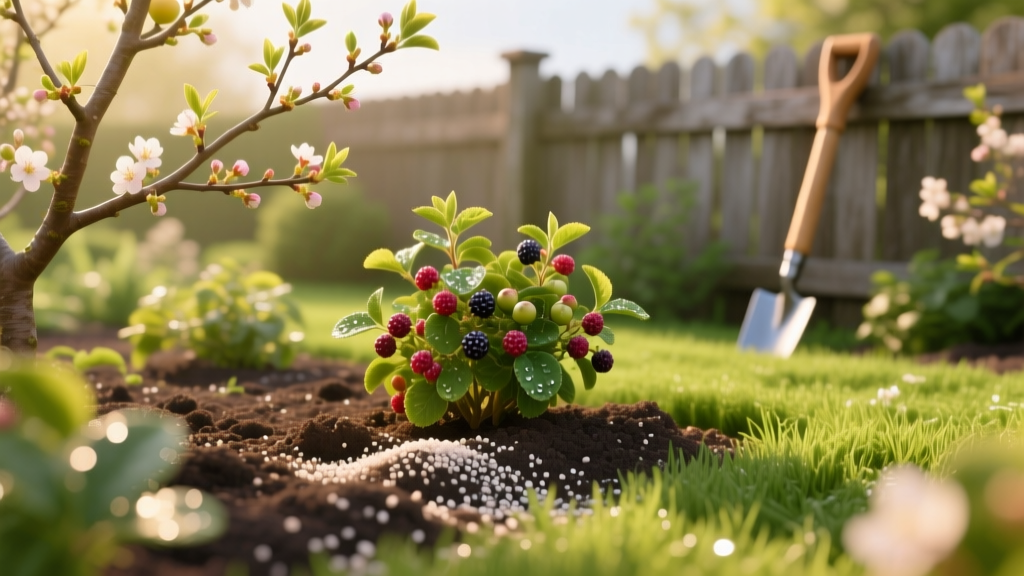
Milorganite Spring 2026 Guide: Fertilizing Edible Landscapes
Mike RodriguezPublished
The Rise of Foodscaping in 2026
The concept of the traditional, sterile turfgrass lawn has undergone a massive transformation. As we move through 2026, homeowners are increasingly embracing 'foodscaping'—the seamless integration of edible plants, fruit-bearing shrubs, and perennial vegetables into traditional lawn and landscape designs. Whether you are cultivating a clover-mixed edible lawn, establishing a perimeter of blueberry bushes, or managing a backyard orchard, the foundation of a thriving foodscape is its soil. Spring fertilization is the most critical window for setting up your edible landscape for a bountiful, disease-resistant growing season, and Milorganite organic slow-release fertilizer remains a top-tier choice for eco-conscious gardeners.
Unlike synthetic fertilizers that provide a rapid, short-lived flush of growth (and often burn delicate new spring shoots), Milorganite feeds the soil microbiome over an extended period. This slow-release mechanism is particularly beneficial for the complex, multi-layered root systems found in foodscaping designs. In this comprehensive 2026 guide, we will explore how to safely and effectively use Milorganite to nourish your edible lawn, fruit trees, and berry guilds.
What Makes Milorganite Unique for Edible Lawns?
Milorganite is an organic, slow-release nitrogen fertilizer with an NPK ratio of 6-4-0. It is composed of heat-dried microbes that have digested organic matter. For the modern foodscape, this composition offers several distinct advantages over conventional chemical alternatives:
- Non-Burning Formula: Because the nitrogen is water-insoluble and slow-release, Milorganite will not burn your lawn or the shallow feeder roots of your berry bushes, even if applied during unseasonably warm spring spikes.
- Iron Content: It contains 2.5% chelated iron, which promotes deep, rich green color in turfgrass and helps prevent chlorosis in fruit trees like apples and pears without relying on synthetic iron supplements.
- Soil Microbiome Support: The organic matter in Milorganite acts as a food source for beneficial soil bacteria and fungi. A robust soil food web is essential for breaking down nutrients and making them bioavailable to the diverse plant species in an edible landscape.
- Phosphorus for Root and Fruit Development: The 4% phosphorus content is vital for establishing strong root systems in newly planted spring fruit trees and encouraging early blossom set on perennial edibles.
The Safety Question: Biosolids and Edibles in 2026
When discussing Milorganite in the context of foodscaping, the most common question revolves around safety. Milorganite is derived from biosolids, which are heavily regulated and treated organic materials. According to the United States Environmental Protection Agency (EPA), biosolids that meet the strict Exceptional Quality (EQ) standards under the Part 503 rule are safe for use in agriculture and landscaping. Milorganite consistently meets and exceeds these federal and state limits for heavy metals and pathogens.
However, best practices for foodscaping in 2026 dictate a strategic approach to application. While it is entirely safe for the lawn matrix, fruit trees, and perennial berry hedges, experienced foodscapers generally avoid applying biosolid-based fertilizers directly to the foliage of short-cycle, raw-eaten leafy greens (like lettuce or spinach) or root crops (like radishes) right before harvest. Instead, Milorganite is best utilized as a foundational soil builder for the broader landscape, the turfgrass matrix, and deep-rooted perennial edibles.
Spring Application Rates for Foodscaping Elements
Timing and dosage are critical. In 2026, with spring soil temperatures warming earlier in many hardiness zones, you should aim to apply Milorganite when soil temperatures consistently reach 55°F to 60°F. This typically coincides with the first mowing of your lawn and the bud-break of your fruit trees. Below is a structured application chart tailored for a mixed edible landscape.
| Landscape Element | Spring Application Rate | Application Method | Timing / Notes |
|---|---|---|---|
| Edible Lawn Matrix (Turf & Clover) | 32 lbs per 2,500 sq ft | Broadcast spreader | Apply when soil hits 55°F. Water in lightly. |
| Established Fruit Trees | 1 cup per inch of trunk diameter | Surface broadcast under drip line | Apply just before bud-break. Keep 6 inches from trunk. |
| Berry Bushes (Blueberries, Raspberries) | 1/2 cup per plant | Hand scatter around base | Apply as new canes emerge. Scratch lightly into topsoil. |
| Perennial Edibles (Asparagus, Rhubarb) | 5 lbs per 100 sq ft of bed | Broadcast over bed | Apply before spears emerge in early spring. |
Designing the Edible Lawn Matrix with Organic Fertilizers
Foodscaping is not just about planting a vegetable garden in the backyard; it is about rethinking the entire property. A popular trend in 2026 is the 'edible lawn matrix,' where traditional turfgrasses are interplanted with low-growing edibles like white clover, creeping thyme, and alpine strawberries. According to resources from the University of Maryland Extension, integrating clover into your lawn naturally fixes atmospheric nitrogen, reducing the overall fertilizer burden. When you supplement this matrix with Milorganite in the spring, you provide the necessary phosphorus, potassium, and micronutrients that clover cannot fix on its own, ensuring both the grass and the edible groundcovers thrive in symbiotic harmony.
Another foodscaping technique is the 'fruit tree guild.' This involves planting a fruit tree surrounded by a ring of nitrogen-fixing plants, dynamic accumulators (like comfrey), and pollinator attractors. Applying Milorganite in a wide ring around the drip line of the tree in early spring feeds the entire guild, promoting vigorous growth and heavy fruit set without the risk of chemical runoff polluting local waterways.
Step-by-Step Spring Application Guide
To get the most out of your spring fertilization routine, follow these actionable steps:
- Conduct a Soil Test: Before applying any fertilizer, test your soil. While Milorganite is a great baseline, a soil test will tell you if your edible landscape requires additional potassium or lime to adjust pH, especially crucial for acid-loving edibles like blueberries.
- Clear and Prep: Rake away heavy winter debris and thatch from your lawn. Prune any dead wood from your berry bushes and fruit trees to ensure the fertilizer reaches the active root zones.
- Calibrate Your Spreader: Check the Milorganite Official Site for the most up-to-date spreader settings for your specific 2026 model. An improperly calibrated spreader can lead to uneven application.
- Apply and Water: Spread the Milorganite evenly. While it will not burn your plants if left dry, watering it in with about 1/4 inch of irrigation helps activate the microbes and moves the nutrients into the top layer of the soil where feeder roots are actively seeking them.
- Mulch Edible Beds: After fertilizing your perennial edible beds and tree guilds, apply a 2-inch layer of organic arborist wood chips or straw. This locks in moisture, suppresses spring weeds, and further feeds the soil biology as it breaks down.
Troubleshooting Common Spring Issues
Sometimes, spring conditions are less than ideal. If your region is experiencing a wet, cool spring, delay your Milorganite application. Cold, waterlogged soils have sluggish microbial activity, meaning the slow-release nutrients will not be unlocked until the soil warms. Conversely, if you are facing an early spring drought, ensure you irrigate deeply after application to prevent the granules from sitting dormant on the surface. By understanding the biological nature of organic fertilizers, you can adapt to the unpredictable weather patterns of 2026 and maintain a lush, productive, and beautiful edible landscape all year long.