Lawn Care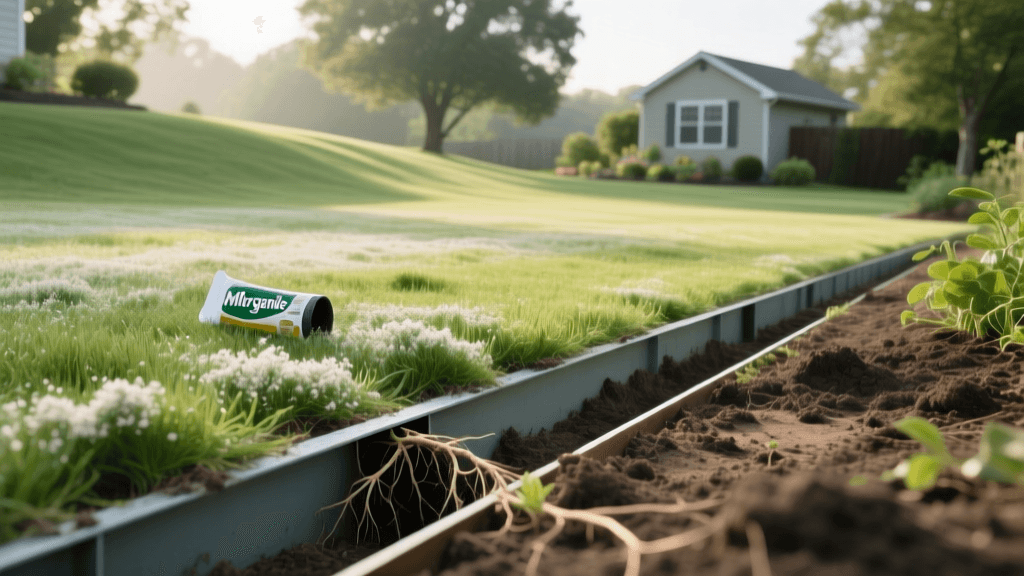
Milorganite Spring Fertilization After French Drain Install 2026
Restoring Your Lawn After a French Drain Installation
Welcome to the 2026 spring lawn care season. If you recently invested in a French drain installation to solve your property's waterlogging and foundation drainage issues, your yard is likely in a state of recovery. Trenching, heavy machinery, and soil displacement take a massive toll on your turfgrass. As the soil warms up this spring, your lawn requires a strategic nutritional rehabilitation plan. However, fertilizing a yard with a newly installed subsurface drainage system requires careful product selection. Using the wrong fertilizer can lead to nutrient runoff directly into your drain pipe, polluting local waterways and wasting your money. This is exactly why spring fertilization with Milorganite organic slow-release fertilizer has become the gold standard for post-drainage lawn recovery in 2026.
The Hidden Risks of Fertilizing Over a French Drain
A French drain is designed to capture surface and subsurface water, channeling it through a perforated pipe surrounded by gravel and geotextile fabric. While this system is a miracle for preventing basement floods and eliminating soggy lawn spots, it also creates a direct highway for water-soluble chemicals. When you apply traditional synthetic fertilizers—such as fast-release urea or ammonium nitrate—the heavy spring rains can dissolve these salts immediately. Instead of feeding your grass roots, the liquid nitrogen and phosphorus wash straight through the soil profile, into the gravel trench, and out into the storm sewer or local watershed.
According to the Environmental Protection Agency (EPA), nutrient pollution from residential lawn runoff remains a leading cause of water quality degradation, triggering harmful algae blooms in local ecosystems. Furthermore, the United States Geological Survey (USGS) notes that excess nitrogen easily leaches into groundwater supplies, posing severe environmental and health risks. Because your French drain accelerates the movement of water off your property, the risk of synthetic fertilizer leaching is exponentially higher in your yard than in a standard lawn. You need a fertilizer that binds to the soil and releases slowly, which brings us to Milorganite.
Why Milorganite is the Ultimate Post-Drainage Fertilizer
Milorganite is an organic, slow-release nitrogen fertilizer composed of heat-dried microbes that have digested organic matter. With an NPK ratio of 5-2-0, it provides a steady supply of nitrogen and a robust dose of non-staining iron for deep, rich greening. But its true superpower for French drain lawns lies in its physical and chemical structure.
- Low Leaching Potential: Milorganite contains 85% water-insoluble nitrogen. It relies on soil microbial activity to break down and release nutrients. Because it requires microbial action rather than water to dissolve, it will not wash into your French drain trench during heavy spring downpours.
- Zero Burn Guarantee: The soil over a backfilled French drain trench is often a mix of native clay, imported topsoil, and compost. This inconsistent soil profile makes it highly susceptible to fertilizer burn from synthetic salts. Milorganite is virtually salt-free and will not burn your recovering turf, even if applied at slightly higher rates over the trench lines.
- Soil Microbiome Restoration: The heavy equipment used during French drain installation severely compacts the soil and destroys the natural microbial network. Milorganite acts as a soil amendment, reintroducing organic matter and stimulating the microbial life necessary to break up compaction and improve soil structure over the drain field.
2026 Product Update: Pricing and Availability
As of early 2026, a standard 32-pound bag of Milorganite (covering 2,500 square feet) retails between $28.00 and $32.00 at major home improvement centers and local garden supply stores. While this represents a slight increase from previous years due to organic processing and freight costs, the agronomic value remains unmatched. Unlike synthetic alternatives that require multiple split-applications to prevent leaching, a single spring application of Milorganite feeds the lawn steadily for up to 10 weeks, reducing the overall labor and environmental footprint of your lawn care routine.
Comparison: Milorganite vs. Synthetic Fertilizers for Drainage Yards
To understand why turfgrass professionals recommend organic slow-release options for yards with extensive subsurface drainage, review the comparison below:
| Feature | Milorganite (Organic Slow-Release) | Synthetic Urea (Fast-Release) | Standard Weed and Feed |
|---|---|---|---|
| Leaching Risk into French Drains | Extremely Low (Binds to soil organics) | High (Dissolves instantly in water) | Moderate to High |
| Burn Potential on Disturbed Soil | None (Salt-free) | High (Requires precise calibration) | Moderate |
| Feeding Duration | Up to 10 Weeks | 2 to 4 Weeks | 3 to 4 Weeks |
| Soil Microbe Stimulation | Excellent (Adds organic matter) | Poor (Can harm microbes via salt buildup) | Poor |
| Iron Content for Greening | High (2.5% Non-staining Iron) | None (Unless specifically added) | Varies |
Step-by-Step Spring Application Guide for 2026
To properly fertilize your lawn and the disturbed soil over your French drain lines, follow this actionable spring schedule:
1. Wait for the Right Soil Temperature
Do not apply Milorganite while the ground is dormant. Because it relies on soil microbes to release nitrogen, the soil temperature must be consistently at or above 55°F at a depth of two inches. In most northern and transition zones, this occurs between mid-April and early May. Use a standard soil thermometer to verify the temperature over the drain trench, as gravel-filled trenches may warm up slightly faster than the surrounding native clay.
2. Prepare the Trench Lines
The soil directly above your French drain often settles during the first winter and spring after installation. Before fertilizing, top-dress the trench lines with a half-inch of high-quality compost or screened topsoil to level the grade. This ensures your spreader will glide smoothly over the area without bouncing and creating uneven fertilizer distribution.
3. Calibrate Your Spreader
Milorganite is a dense, granular product. For a standard 32-pound bag, you are targeting an application rate of roughly 12.8 pounds per 1,000 square feet. If you are using a popular Scotts Turf Builder EdgeGuard rotary spreader, the 2026 recommended setting for Milorganite is typically 7.5. For a Lesco drop spreader, aim for a setting of 14. Always start with a lower setting and make two perpendicular passes to ensure even coverage without striping.
4. Apply and Water Lightly
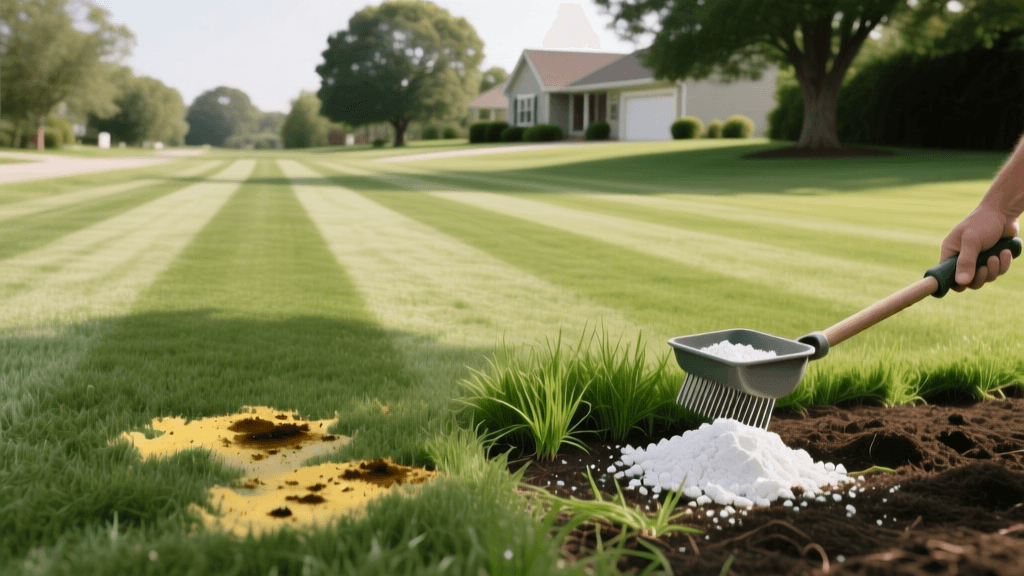
Apply the Milorganite evenly across the entire lawn, paying special attention to the grass growing directly over the French drain. Unlike synthetic fertilizers that demand heavy, immediate watering to prevent leaf burn, Milorganite only requires a light watering (about 1/4 inch) to wash the granules off the grass blades and into contact with the soil surface. This light watering is crucial: it activates the soil microbes without generating the heavy subsurface runoff that would carry nutrients into your drain pipe.
Overseeding the French Drain Trench Lines
It is incredibly common for the grass over a French drain to thin out during the spring due to soil settling and the altered moisture dynamics of the gravel below. If you need to overseed the trench lines this spring, Milorganite is one of the few fertilizers that is completely safe to use at the exact same time as grass seed. Synthetic starter fertilizers can easily burn tender new seedlings if the spring sun heats up the gravel trench. Milorganite provides a gentle, continuous feed that supports deep root establishment into the backfilled soil without the risk of salt desiccation. Simply spread your cool-season or warm-season grass seed over the trench, apply the Milorganite, and keep the top inch of soil consistently moist until germination is complete.
Environmental Compliance and Watershed Protection
In 2026, municipal regulations regarding residential fertilizer use have become much stricter, particularly in neighborhoods situated near lakes, rivers, and protected watersheds. Many local governments now enforce 'blackout dates' and limit the amount of phosphorus and soluble nitrogen homeowners can apply. Because Milorganite's nutrients are bound in organic matrices and released only as the grass needs them, it helps homeowners remain compliant with local runoff ordinances. By choosing an organic slow-release fertilizer, you are not only protecting the integrity and function of your newly installed French drain system, but you are also acting as a responsible steward of your local water supply.
Conclusion
A French drain is a vital piece of landscape infrastructure that protects your home and eliminates standing water. However, the installation process and the resulting subsurface water flow demand a specialized approach to lawn nutrition. By utilizing Milorganite organic slow-release fertilizer for your 2026 spring lawn care routine, you eliminate the risk of nutrient leaching into your drain system, protect your recovering turf from fertilizer burn, and rebuild the vital soil microbiome. Follow the application steps outlined above, and watch your lawn transform into a thick, resilient, and deeply green landscape that complements your home's drainage solutions perfectly.