
Landscaping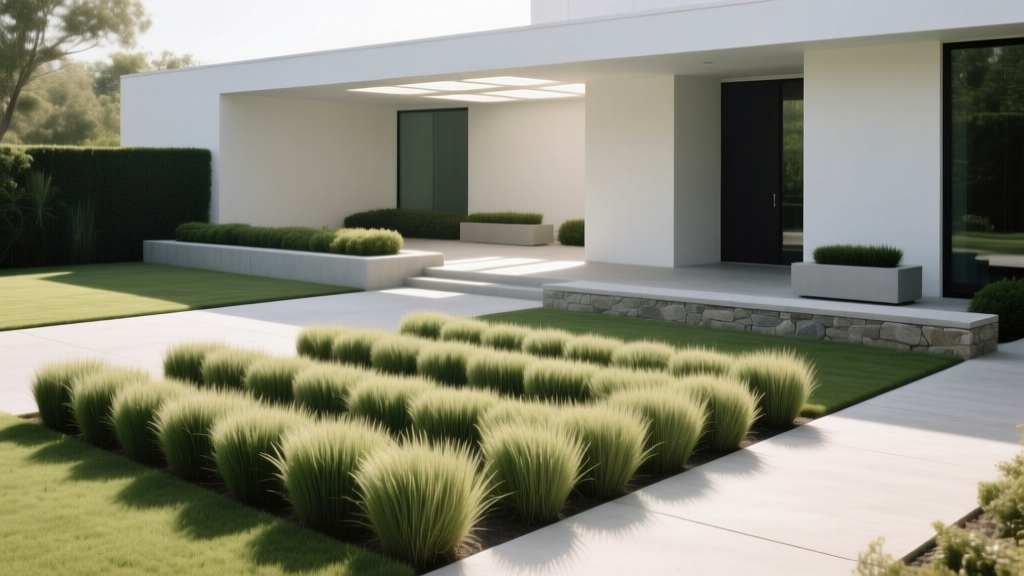
2026 Guide: Pruning Ornamental Grasses In Minimalist Yards
Sarah ChenPublished
The Minimalist Pruning Philosophy for 2026
Modern minimalist front yards have completely dominated landscape design trends heading into 2026. Characterized by clean geometric hardscaping, restrained monochromatic color palettes, poured concrete pathways, and deliberate plant placement, these architectural landscapes rely heavily on ornamental grasses. Grasses provide essential softness, kinetic movement, and exceptional drought tolerance without disrupting the sleek aesthetic. However, the difference between a striking, high-end architectural landscape and an unkempt, overgrown mess lies entirely in proper pruning methods and precise timing.
In a traditional cottage garden, ornamental grasses can be left to flop, self-seed, and decay naturally. In a minimalist front yard, every single blade matters. The goal is to maintain structural integrity and sharp visual lines. According to the Penn State Extension, ornamental grasses require specific seasonal care to maintain their form and vigor. When applied to minimalist design, this care must be executed with surgical precision to ensure the plants complement the hardscape rather than competing with it.
Essential 2026 Tool Kit for Architectural Grasses
To achieve the crisp, angled cuts required in minimalist landscaping, you must abandon rusty, dull shears. Investing in professional-grade equipment ensures clean cuts that heal quickly and resist fungal pathogens. Here is the essential 2026 pruning toolkit for modern grass maintenance:
- Makita XRU09Z 18V LXT Brushless String Trimmer ($230): For large-scale mass plantings of tall grasses like Miscanthus, a brushless string trimmer equipped with a specialized metal brush blade attachment is invaluable. It allows you to level large drifts in minutes while maintaining a perfectly flat, horizontal cutting plane.
- ARS HS-KR1000 Professional Hedge Shears ($85): These lightweight, razor-sharp shears feature a curved blade that naturally gathers grass blades toward the center as you cut, preventing the frustrating 'slippage' that occurs with standard straight-edge shears.
- Felco 2 Classic Bypass Pruners ($60): Essential for detailed thinning, removing dead culms, and precision work around the base of the plant where the hardscape meets the soil.
- Heavy-Duty Canvas Tarp ($40): Minimalist yards often feature pristine gravel or smooth concrete. A tarp catches debris instantly, preventing sap and plant acids from staining your expensive hardscaping materials.
Timing: The Golden Rules of Grass Pruning
Timing is the most critical variable in grass maintenance. Cutting back grasses at the wrong time of year can expose the crown to rot, invite frost damage, or completely ruin the winter architectural interest that is so vital in modern minimalist designs. Grasses are broadly categorized into warm-season and cool-season varieties, and their pruning schedules differ drastically.
The Clemson University Home & Garden Information Center emphasizes that warm-season grasses should be left standing through the winter to provide structure and protect the crown from freezing temperatures. Cool-season grasses, conversely, require a lighter touch and earlier intervention. Below is the definitive 2026 timing chart for the most popular minimalist grass varieties:
| Grass Variety | Botanical Name | Season Type | Pruning Window | Ideal Cut Height |
|---|---|---|---|---|
| Feather Reed Grass | Calamagrostis x acutiflora | Cool-Season | Early Spring (Pre-growth) | 3 to 4 inches |
| Mexican Feather Grass | Nassella tenuissima | Cool-Season | Late Winter / Early Spring | 2 to 3 inches |
| Muhly Grass | Muhlenbergia capillaris | Warm-Season | Mid-to-Late February | 4 to 6 inches |
| Fountain Grass | Pennisetum alopecuroides | Warm-Season | Early March (Before green-up) | 3 to 5 inches |
| Switchgrass | Panicum virgatum | Warm-Season | Early Spring | 4 to 6 inches |
Step-by-Step Pruning Methods by Grass Type
The technique you use to cut back the grass is just as important as when you do it. In minimalist design, the 'haircut' effect—a blunt, perfectly flat top—looks artificial and jarring. Instead, aim for a subtle, natural dome that mimics the plant's innate growth habit while maintaining a tidy footprint.
The 'Bundle and Shear' Method (For Upright Grasses)
For rigid, upright grasses like Karl Foerster Feather Reed Grass or Switchgrass, the bundle method is highly efficient. Use bungee cords or biodegradable jute twine to wrap the grass clump tightly about halfway up the foliage. This creates a manageable pillar. Using your ARS hedge shears or a reciprocating saw for massive clumps, cut the bundle at the designated height. Make the cut at a slight 15-degree angle rather than perfectly horizontal. This angled cut sheds water away from the hollow center of the stems, preventing crown rot, and creates a softer visual transition into the hardscape.
The 'Comb and Rake' Method (For Delicate Grasses)
Mexican Feather Grass is a staple in 2026 minimalist designs due to its fine texture and glowing backlit appearance. However, shearing it with blunt tools creates a frayed, damaged look. Instead, wait until late winter when the old foliage begins to loosen. Put on a pair of sturdy nitrile-coated landscaping gloves and simply run your fingers through the grass like a comb, pulling upward. The dead, tan blades will slide right out, leaving the fresh, bright green new growth entirely intact. Follow up with a flexible bamboo leaf rake to clear the debris from the base.
Common Pruning Mistakes in Minimalist Landscapes
Even experienced homeowners make errors that compromise the sleek aesthetic of a modern yard. Avoid these three critical mistakes:
- Cutting Too Early in Autumn: Many homeowners feel the urge to 'clean up' their yard in November. Cutting warm-season grasses in the fall removes their stunning winter silhouettes and exposes the vulnerable crown to winter moisture and freezing, which can kill the plant entirely.
- Scalping the Crown: Cutting grasses all the way down to the soil line damages the growing points. Always leave a 3-to-6-inch stubble. In a minimalist yard with dark gravel mulch, this light tan stubble is virtually invisible once the new spring growth emerges.
- Ignoring the Perimeter: Minimalist yards rely on sharp boundaries. If your grasses are flopping over onto concrete pavers or steel edging, they must be thinned. Use your Felco pruners to selectively remove outer stems that are growing aggressively toward the hardscape, maintaining a crisp, defined edge.
Controlling the Footprint: Thinning and Dividing
Ornamental grasses are vigorous growers. In a sprawling meadow, a grass clump expanding from two feet to four feet in diameter is a blessing. In a tightly designed minimalist front yard, that same expansion will swallow your geometric pathways and ruin the spatial proportions of the design. According to the University of Minnesota Extension, most ornamental grasses benefit from division every three to four years to maintain vigor and size.
To divide a grass clump in early spring, use a sharp, flat-edged nursery spade to dig entirely around the perimeter of the plant. Lift the heavy root ball onto your tarp. You will likely notice a dead, woody center—this is a natural part of the grass lifecycle. Use a reciprocating saw or a heavy-duty pruning saw to slice the root ball into quarters. Discard the dead center, and replant only the vigorous outer edges. In a minimalist grid design, you can replant these divisions in precise, measured intervals to expand your landscape architecture without spending money on new nursery stock.
Sustainable Debris Management
Pruning mature ornamental grasses generates a massive volume of fibrous debris. In 2026, sustainable landscaping practices dictate that we keep this organic matter out of landfills. Because grass blades are high in silica and break down slowly, they are not ideal for standard, fast-turning compost bins. Instead, run the bundled clippings through a heavy-duty electric leaf mulcher to reduce their volume by up to 80%. The resulting shredded material makes an excellent, weed-suppressing mulch for hidden backyard garden beds, or it can be added to a slow-curing leaf mold pile. By managing the debris responsibly, you maintain the pristine look of your minimalist front yard while contributing to a closed-loop, sustainable landscape ecosystem.

