Pest Control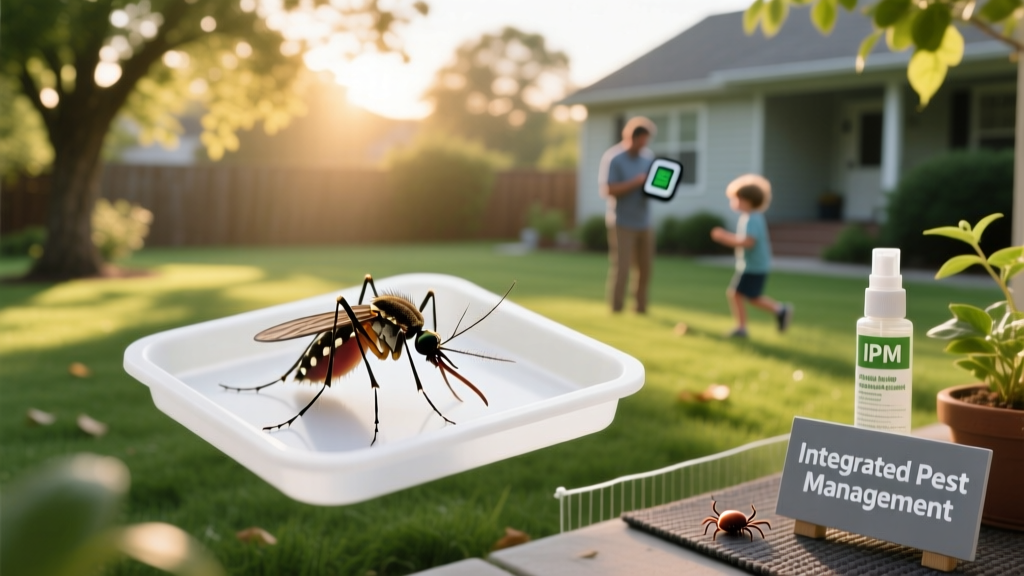
Backyard Mosquito and Tick Control: Myths vs Facts
Sarah ChenPublished
Introduction: The High Cost of Backyard Pest Myths
When the warm weather finally arrives, homeowners eagerly head outdoors to enjoy their lawns and gardens. Unfortunately, this is the exact same time that uninvited guests like mosquitoes and ticks begin their relentless assault. The discomfort of itchy bites is bad enough, but the real danger lies in the diseases these pests carry, including West Nile Virus, Lyme disease, and Alpha-gal syndrome. In the desperate search for a pest-free yard, many homeowners fall victim to clever marketing and old wives tales, wasting hundreds of dollars on ineffective gadgets and DIY concoctions.
Effective pest management requires a science-based approach known as Integrated Pest Management (IPM). IPM focuses on long-term prevention and targeted treatments rather than quick fixes. According to the Environmental Protection Agency (EPA), successful control relies on understanding pest biology and combining biological, cultural, and chemical tools. In this comprehensive guide, we are going to separate fact from fiction, debunking the most pervasive backyard pest control myths and replacing them with actionable, proven strategies that actually protect your family and pets.
Myth #1: Bug Zappers Are the Ultimate Mosquito Killer
The Myth: Hanging a UV light bug zapper on your patio will attract and electrocute thousands of biting mosquitoes, creating a protective shield around your outdoor living space.
The Fact: Bug zappers are practically useless for mosquito control and are actively harmful to your local ecosystem. Mosquitoes are not primarily attracted to UV light. Female mosquitoes, the ones that bite, are driven by the scent of carbon dioxide, lactic acid, and body heat emitted by humans and animals. While a bug zapper will certainly kill thousands of insects overnight, university studies have repeatedly shown that less than 1 percent of the casualties are biting mosquitoes. The vast majority are beneficial insects, including pollinators like moths and beetles, as well as natural mosquito predators like dragonflies. By using a bug zapper, you are effectively destroying the very insects that help keep mosquito populations in check naturally.
Myth #2: Citronella Candles and Marigolds Repel Pests
The Myth: Lighting a few citronella candles on your patio table or planting a border of marigolds and lavender around your yard will create a natural, impenetrable force field against mosquitoes and ticks.
The Fact: While citronella oil does possess mild repellent properties, its effectiveness is vastly overstated. A citronella candle only works in a very small radius, typically no more than a few feet, and its efficacy is completely negated by even the slightest breeze. As for plants like marigolds, lavender, and lemongrass, simply having them in your garden does nothing to repel pests. The essential oils that might deter insects are locked inside the leaves and must be crushed or burned to release their volatile compounds. Relying on patio candles and garden borders will leave you exposed to bites. For personal protection, the Centers for Disease Control and Prevention (CDC) strongly recommends using EPA-registered topical repellents containing DEET, Picaridin, or Oil of Lemon Eucalyptus.
Myth #3: Ultrasonic Repellents and Dryer Sheets Work
The Myth: Plugging in an ultrasonic device that emits high-frequency sound waves will disrupt the nervous system of pests, and rubbing dryer sheets on your skin or hanging them in trees will keep bugs away.
The Fact: There is absolutely zero scientific evidence supporting the efficacy of ultrasonic pest repellents for mosquitoes or ticks. In fact, the Federal Trade Commission (FTC) has previously taken action against manufacturers of these devices for making false and unsubstantiated claims. Similarly, dryer sheets contain linalool, which has a strong scent, but the concentration is far too low to act as a spatial repellent in an open outdoor environment. These methods belong firmly in the realm of fiction.
Myth #4: Garlic and Pepper Sprays Eliminate Yard Ticks
The Myth: Spraying a homemade mixture of garlic juice, dish soap, and hot pepper water across your lawn will kill or repel ticks, keeping them out of your grass.
The Fact: Ticks do not feed on grass, nor do they jump or fly. They engage in a behavior called questing, where they climb to the top of tall grasses or shrubs and wait for a host to brush past. DIY garlic and pepper sprays wash away with the first rain or morning dew and do not provide residual control. Furthermore, these sprays do not alter the microclimate that ticks require to survive. To control ticks, you must target their preferred habitats and disrupt their life cycle, not just spray the open turf.
The Facts: Proven IPM Strategies for Mosquitoes and Ticks
Now that we have cleared away the fiction, it is time to focus on the facts. Implementing a true Integrated Pest Management plan requires a multi-pronged approach targeting both mosquitoes and ticks where they live and breed.
1. Source Reduction and Water Management
The most critical step in mosquito control is eliminating breeding sites. Mosquitoes require only a bottle cap full of standing water to lay hundreds of eggs. Once a week, perform a thorough yard inspection. Tip over wheelbarrows, unclog roof gutters, drill drainage holes in recycling bins, and refresh birdbath water. According to research from institutions like Rutgers University Entomology, removing standing water reduces local mosquito populations far more effectively than any spray.
2. Biological Control: Bti for Standing Water
For water features that cannot be drained, such as rain barrels, koi ponds, or low-lying swampy areas, use a biological larvicide containing Bacillus thuringiensis israelensis (Bti). Bti is a naturally occurring soil bacterium that produces proteins toxic only to the digestive systems of mosquito and black fly larvae. It is completely safe for humans, pets, birds, and fish.
- Recommended Product: Summit Mosquito Dunks or Bits.
- Application Rate: One dunk treats 100 square feet of water surface for up to 30 days. For smaller containers, use a quarter of a dunk or sprinkle Bti granules (Bits) at a rate of 1 tablespoon per 25 square feet.
- Estimated Cost: Approximately $10 to $15 for a 6-pack of dunks, making it one of the most cost-effective treatments available.
3. Targeted Tick Control: Permethrin Tick Tubes
Because ticks spend much of their time in leaf litter and rodent burrows, treating the entire lawn with chemicals is inefficient. The white-footed mouse is a primary carrier of the Lyme disease spirochete. Tick tubes exploit the nesting habits of these mice. The tubes are filled with cotton treated with 0.1% permethrin. Mice gather the cotton for their nests, and the permethrin kills the larval and nymphal ticks feeding on them, breaking the disease cycle.
- Placement: Place tubes every 10 yards along the perimeter of your yard, near stone walls, woodpiles, and brushy edges where mice forage.
- Timing: Deploy in mid-to-late spring (targeting larvae) and again in early fall (targeting nymphs).
- Estimated Cost: A half-acre kit costs around $60 to $80 and requires minimal labor.
4. Chemical Barrier Sprays for Heavy Infestations
If you live in a heavily wooded area with severe tick or mosquito pressure, a targeted chemical barrier spray may be necessary. Synthetic pyrethroids like bifenthrin or lambda-cyhalothrin are highly effective when applied to the correct microhabitats.
- Application Strategy: Do not broadcast spray your entire open lawn. Instead, use a pump sprayer to apply the product to the underside of shrub leaves, dense ground covers, leaf litter, and the shaded perimeter where the lawn meets the woods. This is where adult mosquitoes rest during the heat of the day and where ticks quest.
- Recommended Product: Talstar P (Bifenthrin 7.9%).
- Mixing Rate: 1 fluid ounce per gallon of water, covering approximately 1,000 square feet of targeted shrubbery and perimeter.
- Precautions: Pyrethroids are highly toxic to aquatic life and bees. Never spray near ponds, streams, or blooming flowers. Wait until the spray is completely dry before allowing children or pets back into the treated area.
Data Table: Myth vs. Fact & Cost-Effectiveness
| Control Method | Target Pest | Scientific Verdict | Estimated Cost |
|---|---|---|---|
| Bug Zappers | Mosquitoes | Myth (Kills beneficial insects) | $40 - $100 |
| Citronella Candles | Mosquitoes | Myth (Ineffective in wind) | $10 - $20 / season |
| Ultrasonic Repellents | Mosquitoes / Ticks | Myth (Zero scientific backing) | $25 - $50 per unit |
| Bti Mosquito Dunks | Mosquito Larvae | Fact (Highly effective biological) | $10 - $15 / 6-pack |
| Permethrin Tick Tubes | Tick Nymphs/Larvae | Fact (Breaks the Lyme cycle) | $60 - $80 / half-acre |
| Bifenthrin Barrier Spray | Adult Mosquitoes / Ticks | Fact (Effective when targeted) | $40 - $60 / concentrate |
Conclusion: Work Smarter, Not Harder
Protecting your lawn and garden from mosquitoes and ticks does not require expensive gadgets or unproven DIY recipes. By abandoning the myths of bug zappers, ultrasonic devices, and citronella borders, you can redirect your budget toward scientifically validated IPM strategies. Focus on eliminating standing water, deploying Bti larvicides in unavoidable wet areas, and utilizing targeted permethrin or bifenthrin treatments in the specific microhabitats where these pests thrive. Armed with the facts, you can reclaim your backyard, protect your family from vector-borne diseases, and preserve the beneficial insects that keep your local ecosystem balanced.