Gardening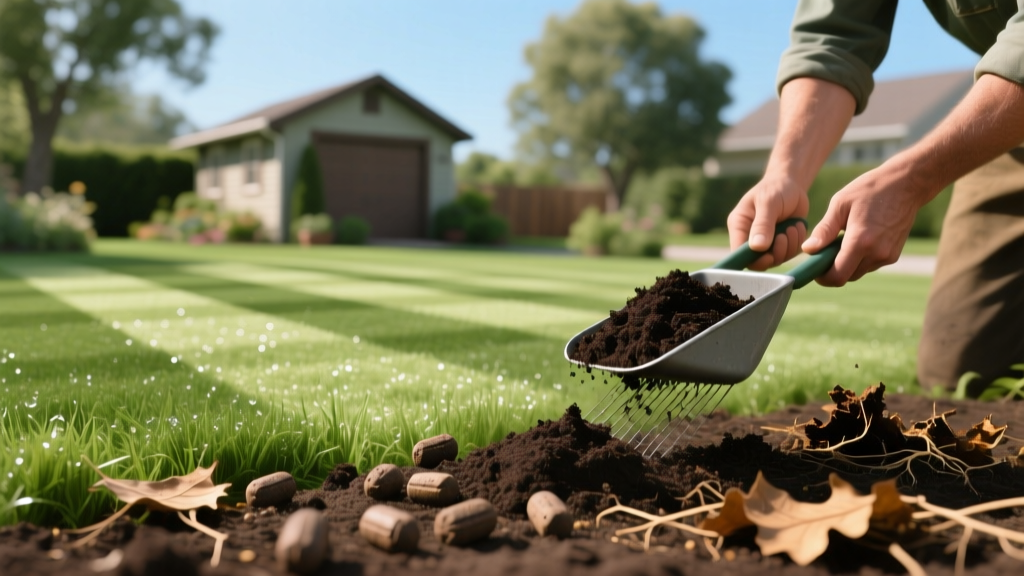
Mowing Patterns For Compost, Manure & Leaf Mold 2026
Mike RodriguezPublished
The Intersection of Mowing and Soil Amendments in 2026
In the modern era of regenerative landscaping, lawn care is no longer just about cutting grass; it is about cultivating a living soil ecosystem. As we move through 2026, the most advanced turf management strategies focus heavily on the synergy between what we put into the soil and how we maintain the canopy above it. Top-dressing your lawn with organic soil amendments is a proven way to improve water retention, microbial life, and nutrient density. However, applying these materials is only half the battle. The mowing techniques and patterns you employ immediately after and during the weeks following an amendment application can drastically alter how effectively these materials integrate into your turf.
According to the Environmental Protection Agency (EPA), organic soil amendments significantly reduce the need for synthetic fertilizers and improve soil structure. But if your mowing patterns cause soil compaction, or if your mower deck fails to properly integrate the amendment into the thatch layer, you risk wasting your time and money. This guide explores the critical differences between the big three organic amendments—compost, manure, and leaf mold—and details the exact mowing techniques and patterns required for each in 2026.
Compost vs. Manure vs. Leaf Mold: A Quick Soil Profile
Before adjusting your mower's deck height or planning your mowing route, it is essential to understand the physical characteristics of the three primary organic soil amendments:
- Compost: A well-decomposed, fine-textured, and biologically balanced material. It is excellent for general top-dressing, leveling minor turf imperfections, and introducing a broad spectrum of beneficial bacteria.
- Manure: Typically composted cow or poultry waste, manure is heavier, denser, and significantly higher in nitrogen. It can be prone to clumping if not fully broken down and carries a higher risk of 'burning' the grass crown if applied too thickly.
- Leaf Mold: Created by the fungal decomposition of autumn leaves, leaf mold is fibrous, chunky, and incredibly high in carbon. It excels at water retention and fostering fungal networks in the soil but lacks the immediate nitrogen punch of manure.
Because their textures, weights, and biological profiles differ wildly, a one-size-fits-all mowing approach will yield suboptimal results. Let us break down the ideal mowing strategies for each.
Mowing Techniques for Compost-Top-Dressed Lawns
Compost is typically sifted to a fine, dirt-like consistency before being top-dressed onto a lawn at a rate of 1/4 to 1/2 inch. Because it is fine and dry, the primary challenge with compost is tracking. If you mow a freshly composted lawn using standard back-and-forth striping patterns, the mower wheels will quickly pick up the fine dust, creating messy tracks on your driveway and sidewalks while unevenly stripping the compost from the turf.
The Concentric Circle Pattern
For composted lawns, the best mowing pattern is the concentric circle or spiral pattern. Start mowing from the outermost perimeter of your lawn, working your way inward. This technique ensures that any compost kicked up by the mower deck or tracked by the wheels is pushed toward the center of the yard rather than dragged across the edges and onto hardscapes.
Mower Setup for Compost
Use a mulching mower equipped with high-lift blades. The 2026 models of the Toro Recycler and EGO Power+ Select Cut feature advanced deck aerodynamics that create a strong vacuum effect. This vacuum lifts the grass blades while simultaneously pulling the fine compost particles down through the thatch layer and directly into the soil profile. Set your cutting height to 3.0 inches to ensure you are not scalping the newly amended, slightly raised soil surface.
Mowing Techniques for Manure-Amended Turf
Composted manure is a powerhouse for greening up a pale lawn, but its heavy, sometimes clumpy texture presents a unique mechanical challenge. If manure is applied and left alone, it can form dense patties that smother the grass beneath them, blocking sunlight and trapping excess moisture against the grass crown, leading to fungal diseases.
The Checkerboard (Cross-Hatching) Pattern
To properly integrate manure, you must use a checkerboard or cross-hatching mowing pattern. Mow the lawn in a standard north-south direction, and then immediately make a second pass in an east-west direction. The physical traction of the mower wheels, combined with the overlapping airflow from the mower deck, acts as a mechanical breaker. This cross-mowing technique shatters dried manure clumps, ensuring the nitrogen-rich material is evenly distributed and pushed down to the soil line where it can be utilized by the roots.
Avoiding Manure Burn
According to turf experts at the University of Minnesota Extension, maintaining proper mowing heights is critical for stress reduction. When mowing over fresh manure, raise your deck to 3.5 or 4.0 inches. Cutting the grass too short will expose the tender crown to the high nitrogen salts present in the manure, resulting in severe tip burn. Furthermore, never bag your clippings when mowing over manure; the grass clippings will act as a buffer and help dilute the manure as they decompose together.
Mowing Techniques for Leaf Mold Integration
Leaf mold is the unsung hero of drought-prone lawns. Its spongy, fibrous structure can hold up to 500% of its weight in water. However, because it is highly fibrous and chunky, it tends to sit on top of the thatch layer rather than integrating into the soil. If left unmanaged, it can create a hydrophobic mat.
The Diagonal Overlap Pattern
To integrate leaf mold, utilize a diagonal mowing pattern with a 50% overlap. By mowing at a 45-degree angle to the property line and overlapping each subsequent pass by half the width of your mower deck, you force the grass and the leaf mold to bend and stand back up in alternating directions. This maximizes the exposure of the fibrous leaf mold to the mower's cutting blades.
Double-Cut Shredding
Leaf mold requires aggressive shredding to break down its tough lignin structures. Equip your mower with specialized micro-cut or serrated mulching blades (standard on many 2026 Honda and Ryobi models). The diagonal overlap pattern, combined with these blades, will pulverize the leaf mold into a fine dust that easily washes into the soil with the next rainfall or irrigation cycle. The Cornell Waste Management Institute notes that mechanically reducing the particle size of carbon-heavy organic matter accelerates its integration into the soil food web by increasing the surface area available for soil microbes.
2026 Soil Amendment & Mowing Strategy Matrix
Use the following comparison chart to quickly reference the ideal mowing parameters based on the soil amendment you have applied to your lawn or garden borders.
| Amendment Type | Ideal Mower Deck / Blade | Best Mowing Pattern | Optimal Cut Height | Primary Mowing Goal |
|---|---|---|---|---|
| Compost | Standard Mulching Blade (High Vacuum) | Concentric Circles / Spiral | 3.0 inches | Prevent tracking; pull fines into thatch |
| Manure | High-Lift or Serrated Blade | Checkerboard / Cross-Hatch | 3.5 - 4.0 inches | Shatter clumps; prevent crown burn |
| Leaf Mold | Micro-Cut / Double-Edge Blade | Diagonal with 50% Overlap | 3.0 - 3.5 inches | Pulverize fibers; prevent hydrophobic matting |
Advanced Mowing Patterns to Prevent Soil Compaction
One of the most overlooked aspects of applying soil amendments is the physical state of the soil post-application. Compost, manure, and leaf mold all serve to loosen compacted soil and improve aeration. However, if you immediately drive a heavy 2026 zero-turn mower over this newly softened, amended soil using the exact same wheel tracks every week, you will rapidly re-compact the soil, negating the benefits of the amendment.
To protect your investment in soil health, you must practice pattern rotation. If you mowed in horizontal stripes last week, mow in vertical stripes this week, and diagonal stripes the week after. This distributes the weight of the mower across different soil structures, allowing the amended soil to maintain its porous, aerated architecture. For lawns with heavy clay bases that have been heavily amended with leaf mold, consider using a lightweight, battery-powered push mower rather than a heavy riding mower to further minimize soil compression.
Grasscycling: The Ultimate Companion Amendment
Finally, no discussion of soil amendments and mowing is complete without mentioning grasscycling—the practice of leaving your grass clippings on the lawn. When you combine grasscycling with top-dressings of compost or leaf mold, the nitrogen-rich clippings act as a biological activator, feeding the microbes required to break down the carbon-heavy leaf mold and compost. By mastering your mowing patterns to ensure clippings are evenly dispersed and finely mulched, you turn your weekly mowing chore into a continuous, micro-dosing soil amendment regimen.
Conclusion
The science of lawn care in 2026 demands a holistic approach. Compost, manure, and leaf mold are incredible tools for building resilient, drought-tolerant, and vibrant turf. However, their success is entirely dependent on how they are mechanically integrated into the lawn ecosystem. By matching your mowing patterns—whether concentric circles for compost, checkerboarding for manure, or diagonal overlaps for leaf mold—to the specific physical traits of your chosen amendment, you ensure that every ounce of organic matter reaches the root zone where it belongs. Adjust your deck, plan your route, and let your mower do the heavy lifting of soil integration.
