Gardening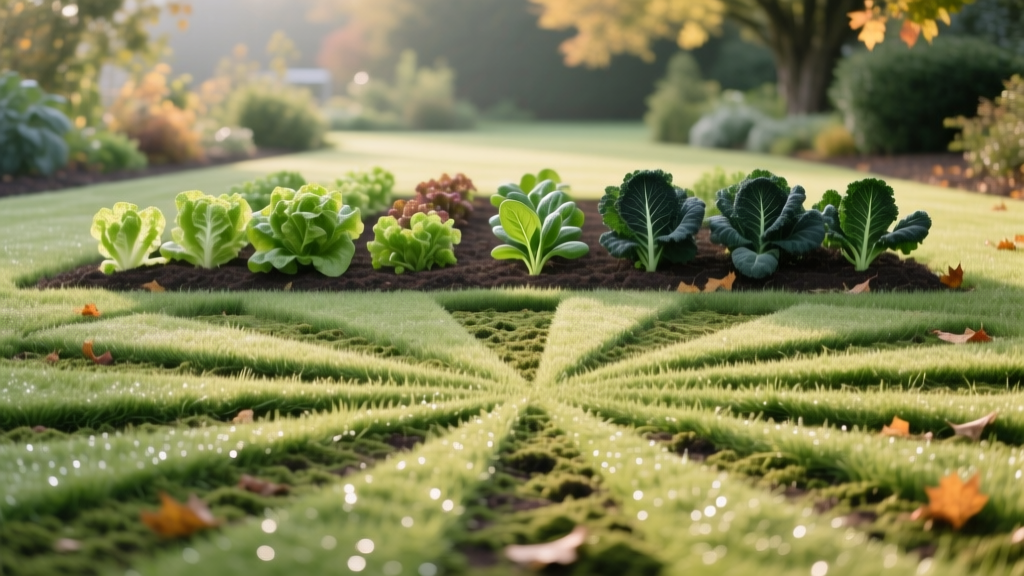
2026 Mowing Patterns & Mulch for Succession Leafy Greens
Lisa ThompsonPublished
Integrating Lawn Care and Vegetable Gardening in 2026
In the evolving world of integrated landscape management for 2026, the boundary between a pristine turfgrass lawn and a highly productive vegetable garden is no longer a hard line. Home gardeners are increasingly discovering that the techniques used to maintain a beautiful lawn can directly enhance the yield and health of their vegetable beds. One of the most powerful synergies exists between advanced mowing patterns, grasscycling, and the succession planting of cool-season leafy greens like lettuce, spinach, and kale. By treating your lawn not just as a decorative carpet, but as a functional support system for your garden, you can optimize access, reduce soil compaction, and generate a continuous supply of premium, nitrogen-rich organic mulch.
Succession Planting Lettuce, Spinach, and Kale: A Quick Refresher
Succession planting is the practice of sowing seeds or transplanting seedlings at staggered intervals, typically every two to three weeks, to ensure a continuous harvest rather than a single overwhelming glut. For leafy greens, this is essential. Lettuce, spinach, and kale are fast-growing, cool-weather crops that can bolt or turn bitter when exposed to the heat of late spring and summer. As noted by the Old Farmer's Almanac, mastering the timing of these staggered plantings allows gardeners to maximize their growing space and enjoy fresh salads from early spring straight through to the first hard frost of autumn.
However, this constant cycle of planting, weeding, and harvesting requires frequent foot traffic around your garden beds. Shallow-rooted crops like spinach and lettuce are highly susceptible to soil compaction around their root zones, which can restrict water uptake and stunt growth. This is exactly where strategic lawn mowing patterns and techniques come into play to protect your harvest.
Strategic Mowing Patterns for Raised Bed Access
When managing the lawn surrounding your vegetable garden, the pattern in which you mow dictates how you move through the space. In 2026, landscape designers and master gardeners recommend using specific mowing patterns to create visual and physical pathways that protect your garden soil.
The Perimeter-First Pathway Technique
Instead of mowing in simple concentric circles or random lines, adopt a perimeter-first pathway technique. Begin by mowing a wide, double-cut strip directly adjacent to your raised beds or in-ground garden rows. This creates a defined 'access lane' that naturally guides your footsteps. When you walk out to harvest your kale or thin your spinach seedlings, you will instinctively stay on this closely cropped, firm turf lane, preventing you from accidentally stepping on the edges of the garden beds where soil compaction is most damaging.
Alternating Striping to Prevent Turf and Soil Compaction
To keep the lawn pathways healthy and prevent the turfgrass from developing ruts, alternate your mowing direction every single week. If you mow parallel to the garden beds in week one, mow perpendicular to them in week two. This alternating pattern not only creates a professional, stadium-style striped aesthetic that beautifully frames your vegetable garden, but it also ensures that the mower wheels are not repeatedly compacting the same strips of soil. Healthy, uncompacted lawn soil adjacent to your garden beds improves overall drainage and prevents water from pooling near your delicate leafy greens.
Grasscycling: Turning Mowing Debris into Garden Gold
The most significant benefit of integrating your mowing routine with your vegetable garden is the practice of grasscycling. Grasscycling involves using a mulching mower to finely chop grass clippings and leaving them on the lawn, or in this case, collecting them to use as a specialized mulch for your succession-planted greens. According to research from Penn State Extension, grass clippings are composed of roughly 80 percent water and contain significant amounts of nitrogen, phosphorus, and potassium, making them an ideal, free fertilizer and mulch.
Why Leafy Greens Love Grass Clipping Mulch
Lettuce, spinach, and kale possess shallow root systems that dry out rapidly under the sun. A thin layer of grass clippings acts as an exceptional moisture barrier. Furthermore, as the clippings break down, they release a slow, steady stream of nitrogen directly into the topsoil. Since leafy greens are primarily grown for their vegetative growth (leaves) rather than fruits or roots, this nitrogen boost is exactly what they need to produce lush, dark green, and tender foliage.
2026 Mower Technology for the Perfect Garden Mulch
To use grass clippings safely around delicate seedlings, the clippings must be finely pulverized. Large, wet clumps of grass will mat together, block sunlight, trap excess heat, and potentially smother your young spinach and lettuce plants. This is where 2026 mower technology shines.
- Multi-Blade Systems: Modern mowers like the 2026 EGO Power+ Select Cut XP feature interchangeable multi-blade systems specifically designed for extreme mulching. These decks chop the grass up to three times before it hits the ground, resulting in a fine, mist-like clipping that is perfect for garden beds.
- Adjustable Deck Heights: When mowing specifically to harvest clippings for the garden, set your mower deck to the 3-inch or 3.5-inch mark. Cutting the grass slightly taller ensures you are only removing the top third of the blade, which is the most nutrient-dense and moisture-rich part of the plant, accelerating decomposition once applied to your kale beds.
- Side-Discharge Chutes with Collection Bags: If your mower has a high-lift side discharge, attaching a specialized collection bag allows you to easily gather the finely chopped clippings to transport directly to your garden beds without the mess of raking.
Preparing and Applying Clippings to Your Greens
Never apply fresh, wet grass clippings directly to the base of your plants. Wet clippings will undergo rapid anaerobic decomposition, generating intense heat and foul odors that can burn the tender stems of your lettuce and spinach. Instead, follow this simple preparation protocol:
- Mow your lawn when the grass is completely dry, ideally in the late morning after the dew has evaporated.
- Spread the collected clippings thinly on a tarp or your driveway in direct sunlight for 24 to 48 hours.
- Once the clippings have turned a pale green or light brown and feel dry to the touch, they are ready for the garden.
- Apply a 1-inch to 1.5-inch layer of the dried clippings around your leafy greens, keeping the mulch about one inch away from the direct base of the plant stems to prevent rot.
Timing Your Mows with Your Planting Schedule
Coordinating your lawn care schedule with your succession planting calendar ensures you always have the right amount of mulch ready when new seeds go into the ground. Below is a structured guide to managing both tasks simultaneously during the peak spring and early summer growing season.
| Week | Garden Task (Leafy Greens) | Lawn Mowing & Mulching Task |
|---|---|---|
| Week 1 | Sow first succession of spinach and kale seeds. | Perform perimeter-first mow. Collect dry clippings to lightly cover newly seeded beds for moisture retention. |
| Week 3 | Sow second succession of lettuce; thin Week 1 seedlings. | Alternate mowing direction. Harvest clippings to top-dress around thinned spinach and kale seedlings. |
| Week 5 | Sow third succession; begin harvesting baby kale. | Standard striping mow. Apply 1-inch dried clipping mulch to Week 3 lettuce to cool roots as temperatures rise. |
| Week 7 | Sow heat-tolerant lettuce varieties; harvest mature spinach. | Raise mower deck to 3.5 inches. Collect clippings to replenish mulch in beds where spinach was fully harvested. |
| Week 9 | Sow late-summer kale for fall harvest. | Deep perimeter mow. Use collected clippings to prepare and mulch the newly cleared bed space for the fall kale. |
Critical Warning: Herbicide Carryover
There is one absolute rule when integrating lawn care with vegetable gardening: you must never use grass clippings as mulch if you have recently applied chemical herbicides or 'weed and feed' products to your lawn. Many broadleaf weed killers contain active ingredients like clopyralid or aminopyralid, which can persist in grass clippings for months or even years. If these treated clippings are applied to your garden beds, they will severely stunt, distort, or kill your lettuce, spinach, and kale. To safely practice grasscycling for your vegetable garden, your lawn must be maintained using strictly organic weed control methods, such as manual pulling, corn gluten meal pre-emergents, or cultural practices that promote thick, competitive turfgrass.
Conclusion
By viewing your lawn and your vegetable garden as a single, interconnected ecosystem, you can dramatically improve the efficiency and yield of both. Utilizing strategic mowing patterns to protect your soil structure, combined with the careful harvesting and drying of grass clippings, provides your succession-planted lettuce, spinach, and kale with the ultimate organic mulch. As you plan your 2026 garden layout, remember that the best fertilizer and pathway management tool you own might just be sitting right inside your garden shed: your lawnmower.
