Gardening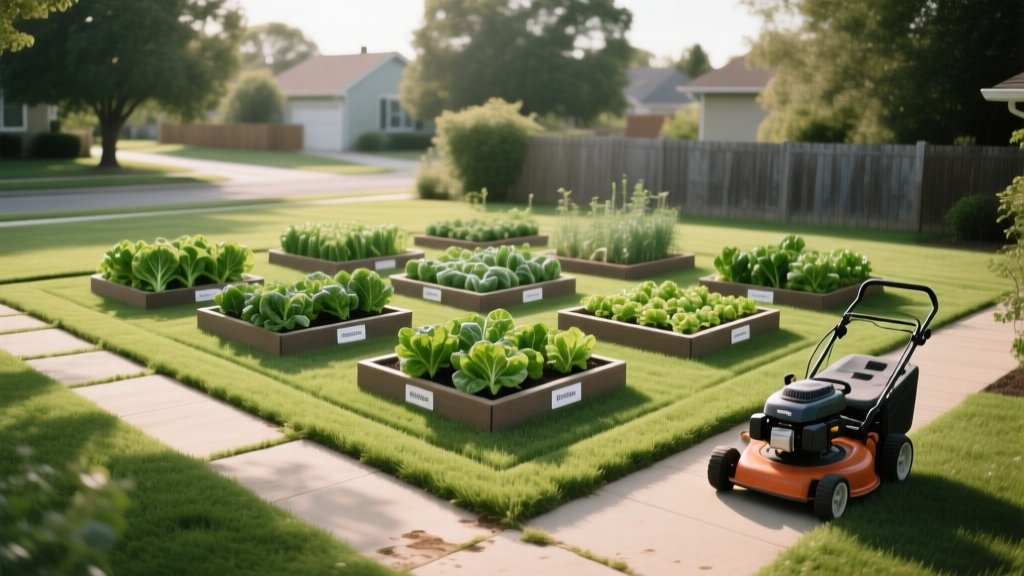
2026 Mowing Patterns For Square Foot And Row Garden Layouts
Emily WatsonPublished
Integrating Garden Layouts with Lawn Care in 2026
As we navigate the 2026 growing season, the modern homesteader is increasingly blending high-yield vegetable production with pristine, well-manicured turfgrass. The intersection of edible landscaping and lawn care presents unique challenges, particularly when it comes to mowing techniques and patterns. According to the University of Minnesota Extension, a well-planned vegetable garden must account not only for sun exposure and soil health but also for the physical infrastructure required to maintain the surrounding landscape. The two most dominant vegetable garden layouts—square foot gardening and traditional row planting—dictate entirely different approaches to mowing patterns, equipment selection, and turf path maintenance. Understanding how to adapt your mowing strategy to your specific garden layout is essential for preventing soil compaction, avoiding turf scalping, and maintaining a beautiful outdoor space.
The Square Foot Garden: Navigating Tight Corners and Raised Beds
Square foot gardening (SFG) relies on intensive, highly organized 4x4-foot raised beds. While this method maximizes yield in small spaces, it creates a labyrinth of narrow grass or mulch paths, typically ranging from 18 to 24 inches in width. Mowing these tight corridors requires precision and specialized techniques to avoid damaging the turf or the wooden borders of the beds.
Mower Types and Turning Radius
Standard riding mowers and large zero-turn mowers are entirely unsuited for the inner paths of a square foot garden. Attempting to force a 42-inch or 52-inch mower deck into a 24-inch path will result in severe scalping, torn turf, and damaged cedar bed frames. For 2026, the ideal solution for SFG paths is a lightweight, battery-powered push mower or a commercial-grade string trimmer equipped with a turf-guard wheel. Alternatively, the latest generation of RTK GPS robotic mowers, such as the Husqvarna Automower NERA series or the Segway Navimow i series, can map these narrow corridors via satellite without the need for boundary wires, maintaining the grass paths flawlessly while you tend to your tomatoes.
Recommended Mowing Patterns for Perimeter Paths
When mowing the perimeter paths surrounding your raised beds, the concentric rectangle (or spiral) pattern is highly recommended. Instead of making tight, 90-degree turns at the corners of the beds—which causes the mower wheels to pivot and tear the grass roots—you should use a multi-point turn technique or a wide looping turn at the end of each run. Start on the outermost perimeter, mowing a straight line, then execute a wide, rounded turn to enter the next corridor. This 'spiraling' inward minimizes turf shear stress and keeps the grass near the raised beds looking uniform and healthy.
Traditional Row Planting: Maximizing Straight-Line Mowing Efficiency
Traditional row planting is the standard for larger vegetable plots, featuring long, straight rows spaced 30 to 36 inches apart. When growers choose to plant turfgrass in the pathways between rows rather than using bare soil or plastic mulch, the garden transforms into a grid that is perfectly suited for riding mowers and advanced striping techniques.
Tractor and Riding Mower Striping Techniques
Because row planting creates long, uninterrupted corridors, it is the ideal canvas for lawn striping. As noted by Penn State Extension, alternating mowing patterns not only creates beautiful visual aesthetics but also promotes upright turf growth and prevents soil compaction from repetitive wheel tracks. To achieve a checkerboard or diamond pattern in your garden paths, use a lawn tractor equipped with a rear striping roller. Mow all paths in a north-south direction on your first pass. The following week, mow east-west across the paths (if the layout permits cross-traffic) or simply alternate the direction of your north-south passes to create a classic light-and-dark striped illusion that draws the eye down the length of the garden.
Managing Row-End Turnarounds
The primary challenge of mowing row-planted gardens is the turnaround zone, often called the 'headland' in agricultural terms. Standard lawn tractors require a minimum 6-foot to 8-foot turnaround radius at the ends of the rows to prevent the inside rear wheel from locking up and tearing the turf. If your garden design does not allow for a wide perimeter path at the ends of your rows, you must employ a Y-turn or K-turn pattern. This involves pulling past the end of the row, reversing at an angle into the adjacent empty path, and then pulling forward into the next row. This three-point maneuver distributes the mechanical stress of the turn over a wider area of turf, preventing the creation of muddy, compacted ruts at the end of your vegetable rows.
Comparison Chart: Square Foot vs. Row Planting Mowing Metrics
| Feature | Square Foot Layout | Row Planting Layout |
|---|---|---|
| Path Width | 18 - 24 inches | 36 - 60 inches |
| Ideal Mower Type | Push Mower, String Trimmer, RTK Robot | Riding Tractor, Zero-Turn |
| Best Mowing Pattern | Concentric Rectangles (Spiral) | Alternating Straight Lines (Striping) |
| Turnaround Space | Minimal (Requires multi-point turns) | 6+ feet (Headland zones) |
| Turf Wear Risk | High at bed corners | Moderate at row ends |
Turf Selection for Garden Paths in 2026
The choice of grass seed for your garden paths is just as critical as your mowing pattern. Vegetable gardens require frequent foot traffic for harvesting, weeding, and trellis maintenance. Furthermore, tall crops like indeterminate tomatoes and pole beans cast significant shade over the pathways.
For square foot gardens, where paths are narrow and often shaded by dense, 4x4 raised bed canopies, a blend of creeping red fescue and microclover is highly recommended for 2026. Microclover has surged in popularity due to its nitrogen-fixing properties, which naturally fertilize the adjacent raised beds, while its low-growing habit reduces the frequency of mowing required in tight spaces.
For row-planted gardens, where paths are wider, receive more direct sunlight, and must withstand the weight of a riding mower, a dwarf tall fescue or a Kentucky bluegrass blend is ideal. These turfgrasses possess the deep root systems necessary to recover from the compression of tractor tires and the rigors of straight-line striping patterns.
Edging and Trimming: The Final Polish
No mowing pattern is complete without crisp edges. The transition between your vegetable soil and your turf path is a prime area for weed infiltration and grass encroachment. For square foot raised beds, use a manual half-moon edger or a battery-powered stick edger to cut a sharp 2-inch trench between the wood border and the turf. This 'V-trench' prevents grass rhizomes from creeping into your carefully measured square foot soil mix. For row gardens, a mechanical bed-definer attachment on your tractor can help maintain the straight lines of your paths, ensuring that your alternating mowing patterns remain visually striking throughout the entire summer harvest.
Conclusion
Whether you are meticulously managing a square foot garden with a robotic mower or striping the wide corridors of a traditional row plot with a lawn tractor, your mowing techniques must adapt to your layout. By selecting the correct turning patterns, utilizing the appropriate 2026 mowing equipment, and choosing traffic-tolerant turfgrasses, you can maintain a vegetable garden that is as visually stunning as it is productive. Remember to alternate your patterns, respect the turning radius of your equipment, and edge consistently to keep your homestead looking its absolute best.
