
Landscaping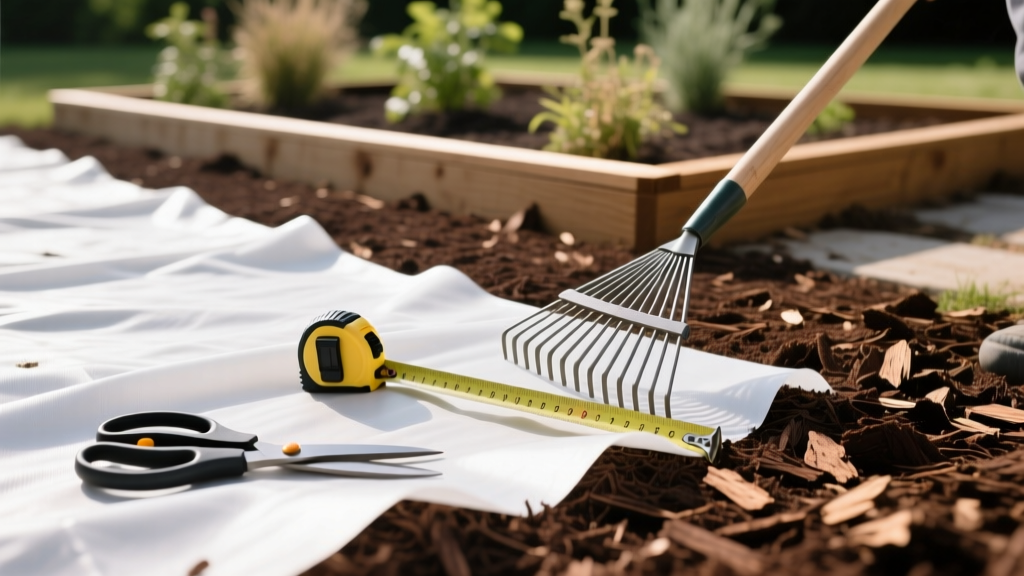
Installing Mulch Over Landscape Fabric: 2026 Guide
David ParkPublished
Introduction to Mulch and Weed Barriers in 2026
As we navigate the 2026 landscaping season, homeowners and professional contractors alike are seeking the perfect balance between curb appeal, low maintenance, and ecological responsibility. One of the most effective ways to suppress weed growth while retaining soil moisture is mulch installation with a landscape fabric weed barrier. When executed correctly, this dual-layer system can drastically reduce the hours spent weeding garden beds, pathways, and shrub borders throughout the spring and summer months.
However, the landscaping industry has evolved significantly. Modern sustainable practices and advanced geotextile materials mean that the methods used a decade ago are no longer the gold standard. In this comprehensive guide, we will explore the latest 2026 techniques for installing mulch over landscape fabric, compare the newest material innovations, and provide a step-by-step walkthrough to ensure your garden beds remain pristine and healthy.
The Soil Health Debate: Is Landscape Fabric Right for Your Garden?
Before breaking ground, it is vital to understand the long-term implications of installing a synthetic weed barrier. While landscape fabric is highly effective at blocking sunlight and preventing weed germination in the underlying soil, it also alters the natural soil ecosystem.
According to horticultural experts at Penn State Extension, organic mulches provide immense benefits to soil structure, moisture retention, and microbial life as they decompose. When a non-permeable or poorly installed fabric is placed between the soil and the mulch, it can restrict gas exchange and prevent organic matter from integrating into the earth below. Therefore, in 2026, the consensus among landscape architects is to reserve heavy-duty weed barriers primarily for inorganic mulch installations (like river rock or gravel) or high-traffic pathways, while utilizing highly permeable, biodegradable, or woven geotextiles for organic mulch beds.
Choosing the Right Landscape Fabric
Selecting the correct weed barrier is the most critical decision in the installation process. The market in 2026 offers several distinct categories of landscape fabric, each suited for different mulching methods.
Woven Polypropylene
Woven fabrics are created by interlacing synthetic fibers, resulting in a highly durable, tear-resistant material. They allow excellent water and nutrient permeability while blocking sunlight. This is the preferred choice for heavy inorganic mulches like crushed stone or gravel, as well as long-term shrub beds where the fabric will remain undisturbed for a decade or more.
Spunbond Non-Woven
Non-woven fabrics resemble felt and are typically made from polyester or polypropylene. While they offer superior weed suppression due to their dense matrix, they have lower permeability rates. In 2026, these are largely recommended for use under hardscaping, French drains, or heavy decorative boulders rather than beneath organic garden mulch.
Biodegradable Geotextiles (2026 Trend)
A major breakthrough in sustainable landscaping is the rise of biodegradable weed barriers made from jute, coir, or bio-polymers. These fabrics suppress weeds for 12 to 24 months before naturally breaking down into the soil. They are the ultimate choice for new garden beds where you plan to use organic wood mulch, as they eliminate the long-term soil compaction issues associated with permanent synthetics.
Selecting the Best Mulch for Fabric Installations
When installing mulch over a weed barrier, your material choice dictates both aesthetics and functionality. The mulch must be heavy enough to keep the fabric pinned down and thick enough to hide the material beneath.
- Shredded Hardwood: The most popular organic choice. It interlocks well, preventing it from washing away on sloped beds. Apply at a depth of 2 to 3 inches over woven fabric.
- Pine Bark Nuggets: Excellent for flat beds and large shrub borders. Because they are lightweight, they require a thicker layer (3 to 4 inches) to prevent the fabric from showing through and to resist wind displacement.
- River Rock and Gravel: The ideal pairing for heavy-duty woven polypropylene. Inorganic mulches do not decompose, meaning they won't create a secondary soil layer on top of the fabric where airborne weed seeds could take root.
- Rubber Mulch: Made from recycled materials, this inorganic option is heavy and stays in place well. It is frequently used in 2026 for playground borders and modern, low-maintenance commercial landscapes.
Step-by-Step Mulch Installation Guide
Proper installation is the difference between a garden bed that stays weed-free for years and one that fails in a single season. Follow these precise steps for a professional-grade result.
Step 1: Site Preparation and Grading
Remove all existing weeds, grass, and debris from the area. Use a non-selective organic herbicide or solarization technique if the weed infestation is severe. Once clear, grade the soil to ensure a 2% slope away from your home's foundation to promote proper drainage. Rake the soil smooth; any sharp rocks or roots left behind can puncture the fabric from below.
Step 2: Laying and Securing the Fabric
Roll out the landscape fabric over the prepared soil. If your bed is wider than the fabric roll, overlap adjacent pieces by at least 6 inches to prevent weeds from sneaking through the seams. Secure the fabric using heavy-duty steel landscape pins (U-pins) every 3 feet along the edges and every 4 feet in the center. In 2026, many professionals are using biodegradable PLA (polylactic acid) pins for organic beds, which naturally dissolve into the soil after a few years.
Step 3: Cutting for Plantings
For existing plants or new transplants, do not simply cut a large hole in the fabric. Instead, cut an 'X' slit just large enough to accommodate the root ball. Fold the flaps of the 'X' back, dig your hole, plant the shrub or perennial, and then fold the flaps snugly around the base of the plant stem. This minimizes the amount of exposed soil where weeds could germinate.
Step 4: Applying the Mulch Layer
Spread your chosen mulch evenly over the fabric. For organic wood mulches, maintain a depth of 2 to 3 inches. For inorganic rock mulches, a depth of 1.5 to 2 inches is usually sufficient. Crucially, keep the mulch pulled back 2 to 3 inches from the trunks of trees and the stems of shrubs to prevent rot and rodent damage. As noted by the University of Minnesota Extension, avoiding 'volcano mulching' around tree bases is essential for long-term tree health and preventing fungal diseases.
2026 Material Comparison and Cost Breakdown
Budgeting your landscaping project requires an understanding of both material costs and longevity. The table below outlines the average 2026 market rates for professional-grade materials.
| Material Type | Permeability | Expected Lifespan | Avg. Cost (per sq. ft.) | Best Paired Mulch |
|---|---|---|---|---|
| Woven Polypropylene | High | 10 - 15 Years | $0.45 - $0.65 | River Rock, Gravel |
| Spunbond Non-Woven | Low - Medium | 5 - 8 Years | $0.30 - $0.50 | Hardscaping, Boulders |
| Biodegradable Jute/Coir | Very High | 1 - 3 Years | $0.55 - $0.80 | Shredded Hardwood, Bark |
| Standard Landscape Pins | N/A | Permanent | $0.15 per pin | All Fabric Types |
Maintenance and Long-Term Care
Even with a premium weed barrier and meticulous installation, maintenance is required to keep your landscape looking its best in 2026 and beyond. Over time, wind, rain, and decomposing organic matter will create a thin layer of soil on top of the landscape fabric. Airborne weed seeds can land in this top layer and germinate.
To combat this, lightly rake your organic mulch beds every spring to disrupt any surface weed seedlings before they establish deep roots. If you are using inorganic rock mulch over fabric, use a leaf blower to remove autumn leaves and organic debris annually; if left to decompose on top of the rocks, they will create a fertile medium for weeds that bypass the barrier entirely.
Pro Tip for 2026: If you notice water pooling on top of your fabric during heavy rainstorms, it is a sign that the fabric's pores have become clogged with fine silt and decomposed mulch. In this case, it is time to rake back the mulch, gently sweep the fabric, or replace it with a newer, high-flow woven geotextile to restore proper drainage and protect your soil structure.
Conclusion
Mulch installation with a landscape fabric weed barrier remains a cornerstone of modern, low-maintenance landscaping when applied to the right scenarios. By understanding the nuances of soil health, selecting the appropriate 2026 geotextile materials, and following precise installation protocols, you can create stunning, weed-free garden beds that enhance your property's curb appeal for years to come. Whether you opt for a permanent woven fabric beneath decorative stone or a sustainable biodegradable barrier beneath rich hardwood mulch, the key to success lies in matching the material to your specific ecological and aesthetic goals.

