
Landscaping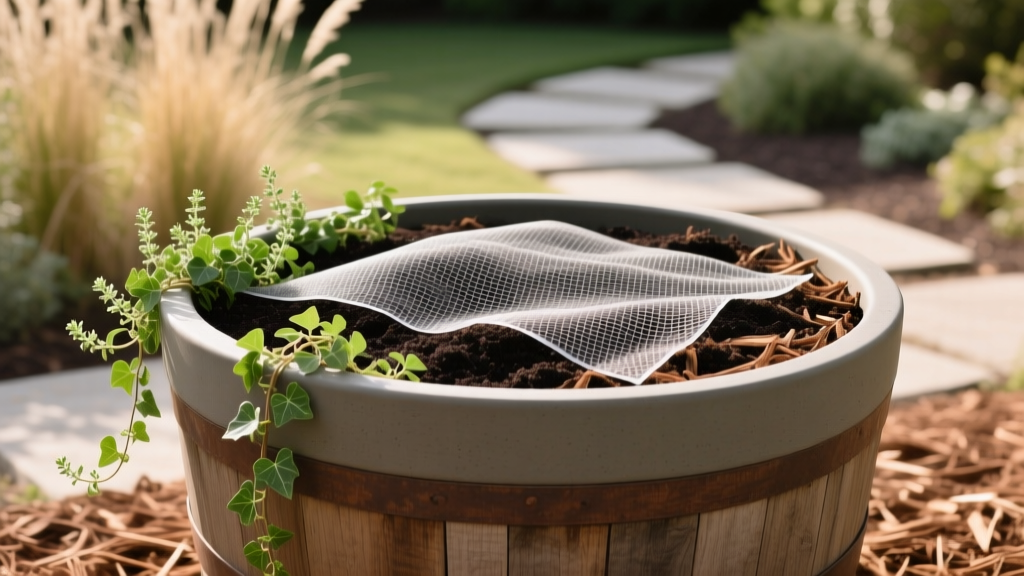
2026 Guide: Mulch & Weed Barrier For Large Planters
James MillerPublished
The Evolution of Large-Scale Container Gardening in 2026
Container gardening has transcended simple terracotta pots on a porch. In 2026, modern landscape design heavily features oversized modular troughs, half-barrel whiskey planters, and custom built-in concrete planter boxes. These large-volume containers hold anywhere from 15 to 100 gallons of potting mix, serving as anchor points for patios, commercial courtyards, and rooftop gardens. While they provide a stunning architectural presence and allow for the cultivation of dwarf shrubs, ornamental grasses, and even small fruit trees, they present a unique challenge: weed invasion and rapid moisture evaporation. This is where the strategic installation of landscape fabric weed barrier and mulch becomes an essential landscaping technique.
Why Use Landscape Fabric in Large Containers?
Many home gardeners mistakenly assume that because containers use sterile, bagged potting mix, weeds will never be an issue. However, wind-blown weed seeds, bird droppings, and splashing soil from surrounding garden beds quickly introduce invasive weeds to the surface of large planters. Once established, weeds in a container compete directly with your primary plants for limited nutrients, water, and root space.
According to horticultural research highlighted by the NC State Extension, combining a physical weed barrier with an organic or inorganic mulch layer reduces weed germination by up to 90% while significantly stabilizing soil moisture levels. In large containers, where water can wick away rapidly in the summer heat due to the high surface-area-to-volume ratio, this moisture retention is critical for plant survival and reduces the need for daily watering.
Choosing the Right Weed Barrier for Planters
Woven Polypropylene vs. 2026 Biodegradable Meshes
When selecting a weed barrier for large containers, drainage is your primary concern. You must never use solid, impermeable plastic sheeting, as this will trap water, drown your plant roots, and cause the container to overflow during heavy rains. Instead, opt for breathable materials:
- Woven Polypropylene: This remains the gold standard for permanent planter boxes and half-barrels intended for long-lived shrubs or dwarf trees. It allows water and air to penetrate while blocking sunlight from reaching weed seeds. It is highly durable and will last for years inside a protected container environment.
- Biodegradable Bio-Mesh: A major trend in 2026 is the rise of biodegradable weed barriers made from corn-starch polymers and woven jute. These are ideal for annual container displays, seasonal color bowls, or vegetable troughs. They suppress weeds effectively for a single growing season and then safely break down into the soil, eliminating the frustrating task of pulling out tangled fabric when you refresh your potting mix the following year.
Selecting the Best Mulch for Container Gardening
The University of Minnesota Extension recommends maintaining a consistent mulch layer to regulate soil temperature and retain moisture, a principle that applies just as rigorously to large containers as it does to in-ground garden beds. However, container mulch must meet specific criteria: it must be lightweight to avoid making massive planters immovable, and it must not compact so heavily that it blocks surface oxygen exchange.
| Mulch Type | Weight | Pros for Containers | Cons for Containers | Best Used For |
|---|---|---|---|---|
| Pine Bark Mini-Nuggets | Light | Excellent airflow, slow to break down, natural look | Can float away if container is flooded | Half-barrels, large shrub planters |
| Hardwood Shredded Bark | Medium | Interlocks to prevent floating, retains moisture well | Breaks down quickly, may tie up surface nitrogen | Perennial troughs, mixed planters |
| Expanded Shale / Lava Rock | Medium-Heavy | Will never blow away, modern aesthetic, excellent drainage | Absorbs heat in direct sun, heavy to move | Commercial planters, succulent troughs |
| Cocoa Bean Hulls | Very Light | Rich color, pleasant aroma, fine texture | Toxic to dogs if ingested, can mold in high humidity | Elevated patio planters (no pets) |
Step-by-Step Installation Guide for Half-Barrels and Troughs
Installing a weed barrier and mulch layer in a large container requires a slightly different approach than laying it out on a flat garden bed. Follow these steps for a professional, long-lasting finish.
Step 1: Prepare the Soil Surface and Irrigation
Before laying any fabric, ensure your potting mix is settled and level. Leave about 3 to 4 inches of space between the soil surface and the rim of the container. If you are utilizing a smart drip irrigation system—a highly recommended practice in 2026 for large planters—lay your drip lines or soaker hoses directly on the soil surface now. Placing irrigation under the weed barrier ensures water is delivered directly to the root zone without evaporating from the mulch layer.
Step 2: Measure and Cut the Fabric
Drape your woven or biodegradable landscape fabric over the container. Cut the fabric so that it extends about 2 inches up the interior sides of the planter. This overlap prevents weeds from creeping in along the edges where the soil meets the container wall. For existing plants, cut an 'X' slit from the edge of the fabric to the base of the plant stem, allowing the fabric to wrap snugly around the trunk without girdling it.
Step 3: Secure the Edges
In a garden bed, you would use 6-inch metal landscape staples. In a container, metal staples have nothing to grip into but loose potting mix. Instead, use biodegradable landscape pins, or simply rely on the weight of the mulch to hold the fabric in place. If your container has a wooden rim or a lip, you can use a heavy-duty staple gun to secure the fabric to the interior wood before adding mulch.
Step 4: Apply the Mulch
Pour your chosen mulch over the fabric, spreading it evenly to a depth of 2 to 3 inches. Be careful not to pile the mulch directly against the stems or trunks of your container plants. 'Volcano mulching' traps moisture against the bark, leading to stem rot and inviting fungal diseases, which can spread rapidly in the confined space of a container.
Common Container Mulching Mistakes to Avoid
- Creating a Pest Bridge: Do not allow the mulch to touch the very top rim of the container. Leave a half-inch gap between the mulch line and the rim. If mulch touches the rim and overhangs slightly, it creates a dry, sheltered bridge that ants and earwigs will use to bypass the container's physical barriers and nest in the soil.
- Using Dyed Mulches in Edibles: If your large container is used for growing vegetables, herbs, or dwarf fruit trees, avoid cheap, color-enhanced dyed mulches. The dyes and the unknown origins of the recycled wood can leach unwanted chemicals into your edible harvest. Stick to natural, untreated pine bark or straw.
- Ignoring Fabric Clogging: Over time, organic mulches break down into fine dust that can clog the pores of woven polypropylene fabric, reducing drainage. In 2026, it is best practice to gently rake and refresh the top layer of organic mulch annually, and to lift the fabric every three years to flush out accumulated silt.
Conclusion
Treating your large containers and half-barrel planters with the same level of detail as your in-ground landscape beds will yield dramatically better results. By installing a breathable landscape fabric weed barrier and topping it with the appropriate mulch, you lock in vital moisture, eliminate the need for constant hand-weeding, and give your patio or rooftop garden a polished, professional appearance that lasts throughout the 2026 growing season and beyond.

