
Landscaping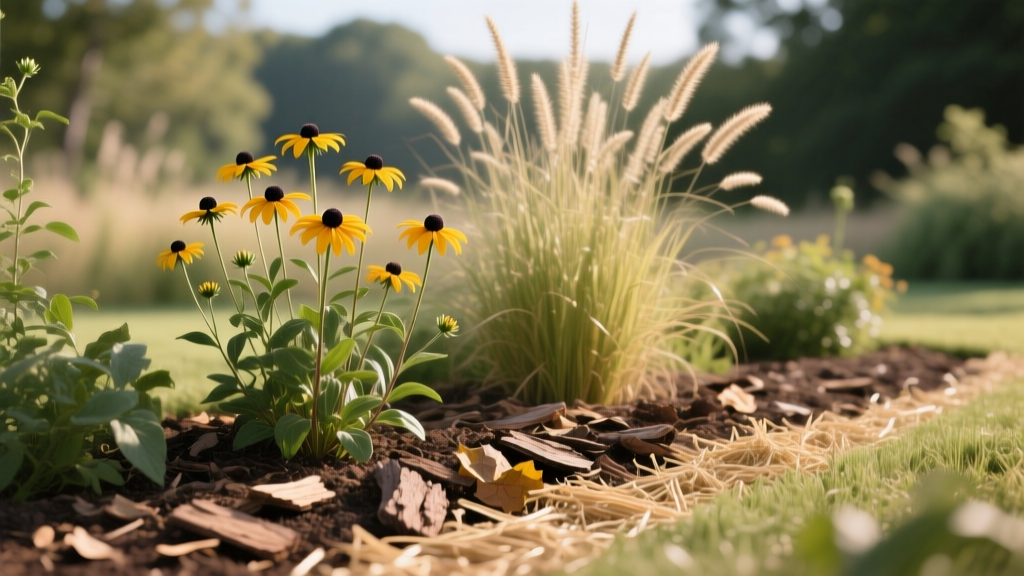
Best Mulch for Black-Eyed Susan and Switchgrass in 2026
Robert HayesPublished
Transforming Your Landscape with Prairie Natives
As we navigate the 2026 gardening season, the shift toward sustainable, ecologically driven landscape design has never been more prominent. Homeowners and landscape architects alike are moving away from high-maintenance turfgrass and sterile ornamental beds, embracing the rugged beauty and environmental benefits of native prairie plants. Among the most iconic and reliable pairing in North American native landscaping is the vibrant Black-eyed Susan (Rudbeckia hirta) and the graceful, architectural Switchgrass (Panicum virgatum). Together, they provide year-round visual interest, support local pollinator populations, and require significantly less water and fertilizer than traditional garden staples.
However, a common misconception in modern landscaping is that native plants, once planted, can simply be left to fend for themselves without any soil preparation or bed maintenance. While it is true that established prairie plants are remarkably drought-tolerant and resilient, the establishment phase and long-term soil health of your garden beds rely heavily on proper mulching techniques. According to the National Wildlife Federation, mimicking the natural forest floor or prairie duff layer is essential for fostering the complex soil microbiome that native plants depend on. In this comprehensive guide, we will explore the most effective mulching methods and materials specifically tailored for Black-eyed Susan and Switchgrass gardens in 2026.
Understanding Your Prairie Duo
Black-Eyed Susan (Rudbeckia hirta)
Black-eyed Susans are beloved for their brilliant golden-yellow petals and dark brown central cones. According to the Lady Bird Johnson Wildflower Center, this biennial or short-lived perennial thrives in full sun and well-draining soils. Because it frequently self-seeds to create naturalized drifts, the mulch you choose must not be so thick or dense that it prevents seeds from making contact with the soil. A heavy, matted mulch will smother the next generation of blooms, breaking the natural life cycle of the plant.
Switchgrass (Panicum virgatum)
Switchgrass is a deep-rooted, warm-season perennial grass that can send roots down several feet into the soil profile, making it an exceptional choice for erosion control and drought resistance. As noted by the Lady Bird Johnson Wildflower Center, Switchgrass forms dense, upright clumps that provide crucial winter shelter for native birds and insects. The crown of the Switchgrass plant is highly susceptible to rot if buried under excessive moisture or heavy, compacted mulch. Therefore, the application method around the base of the grass is just as critical as the material itself.
Top Mulch Materials for Native Beds in 2026
Selecting the right mulch is about more than just aesthetics; it is about soil chemistry, moisture retention, and ecological harmony. In 2026, the landscaping industry has seen a massive pivot away from dyed, artificially colored wood chips toward natural, biologically active mulch materials. Here are the top recommendations for your native prairie beds.
1. Aged Shredded Hardwood Bark
Aged hardwood bark remains a staple in native garden beds. It is crucial that the bark is aged or composted for at least a year before application. Fresh wood chips undergo active decomposition, a process that ties up vital soil nitrogen and can temporarily starve your Switchgrass and Black-eyed Susans of the nutrients they need for vigorous spring growth. Aged hardwood provides excellent weed suppression, retains moisture during erratic summer heatwaves, and slowly breaks down to feed soil fungi.
2. Leaf Mold and Composted Leaves
The 'leave the leaves' movement has evolved into a mainstream landscaping practice by 2026. Leaf mold—partially decomposed leaves that have been aged for a season—is arguably the most ecologically appropriate mulch for native prairie and woodland edge gardens. It mimics the natural duff layer, harbors beneficial overwintering insects, and introduces a diverse array of microorganisms to the soil. It is lighter than wood chips, allowing Black-eyed Susan seeds to easily penetrate the surface and germinate the following spring.
3. Pine Straw (Needles)
While traditionally associated with Southern landscapes and acid-loving plants, pine straw is an excellent, lightweight mulch option for native beds in many regions. It does not mat down heavily, allowing for excellent water infiltration and air exchange. Because it is so light, it will not smother the crowns of your Switchgrass or prevent the self-seeding of your Rudbeckia. However, it may blow away in highly exposed, windy prairie landscapes, so it is best used in slightly sheltered garden beds.
Mulch Material Comparison Chart (2026 Data)
| Mulch Material | Avg. Cost per Cu. Yard (2026) | Decomposition Rate | Best Application for Natives |
|---|---|---|---|
| Aged Hardwood Bark | $38 - $45 | Moderate (1-2 years) | Perimeter beds, heavy weed suppression |
| Leaf Mold | $25 - $35 (or Free if DIY) | Fast (6-12 months) | Seed-bearing beds, soil biology enhancement |
| Pine Straw | $40 - $50 (per bale equiv.) | Slow (1-3 years) | Slopes, erosion control, light coverage |
| Fresh Arborist Chips | $15 - $20 (often Free) | Very Slow (3+ years) | Pathways ONLY (avoid direct root zones) |
Step-by-Step Mulching Method for Native Gardens
Proper application is just as important as material selection. Follow these actionable steps to ensure your Black-eyed Susans and Switchgrass thrive throughout the 2026 growing season and beyond.
Step 1: Timing and Bed Preparation
Wait until late spring, after the soil has thoroughly warmed and your Switchgrass has begun to show signs of new green growth at the base. Applying mulch too early in the season traps winter cold and delays the emergence of warm-season grasses. Before mulching, hand-pull any early spring weeds. Avoid using synthetic pre-emergent herbicides, as these will also prevent your Black-eyed Susans from self-seeding.
Step 2: Calculating Volume
Measure your garden bed to determine how much mulch you need. Multiply the length (in feet) by the width (in feet) by the desired depth (in inches). Divide that number by 324 to get the cubic yards required. For native prairie beds, a depth of 2 to 3 inches is the absolute maximum. Thicker layers restrict oxygen flow to the deep roots of the Switchgrass and invite fungal diseases.
Step 3: The 'Donut' Application Technique
Never pile mulch against the stems or crowns of your plants—a practice known as 'volcano mulching.' This traps moisture against the plant tissue, leading to stem rot and providing a hidden highway for voles and rodents to chew on the plant base. Instead, use the donut method: pull the mulch back 2 to 3 inches from the center crown of the Switchgrass and the base of the Black-eyed Susan rosettes. Create a ring of bare soil immediately around the plant, then spread your 2-inch layer of mulch outward toward the edges of the bed.
Step 4: Leaving Bare Patches for Germination
Because Black-eyed Susans rely on surface contact to germinate their seeds, intentionally leave small, scattered patches of bare soil (about 10% to 15% of the total bed area) completely un-mulched. This strategic gap allows dropped seeds from the previous autumn to reach the dirt, ensuring your native flower drifts expand naturally year after year without the need for manual replanting.
Common Mulching Mistakes to Avoid in 2026
- Using Dyed Mulches: The black, red, and brown dyed mulches found in big-box stores are often made from recycled construction waste and pallets. The chemical dyes and potential heavy metals can disrupt the delicate mycorrhizal fungal networks that native prairie plants rely on to uptake water and nutrients.
- Over-Mulching Established Natives: Once Switchgrass and Black-eyed Susans are established (usually after year two), their deep root systems make them highly drought-tolerant. You can reduce the mulch layer to just 1 inch, or rely entirely on the plants' own dropped foliage to act as a living mulch.
- Applying Fresh Wood Chips to Root Zones: While fresh arborist wood chips are fantastic for creating natural garden pathways, applying them directly over the root zones of herbaceous native perennials will cause a severe nitrogen deficiency as the wood breaks down, resulting in stunted, yellowing Switchgrass and weak Susan blooms.
Conclusion
Landscaping with native prairie species like Black-eyed Susan and Switchgrass is one of the most rewarding investments you can make in your property's ecosystem. By adopting the mulching methods and materials outlined above, you are not just suppressing weeds; you are actively cultivating a living, breathing soil biome that supports your plants from the roots up. As you plan your garden maintenance schedule for 2026, remember that less is often more when it comes to native plants. Choose natural, aged materials, apply them thoughtfully around the plant crowns, and let the incredible resilience of North American prairie natives do the rest of the work.

