
Landscaping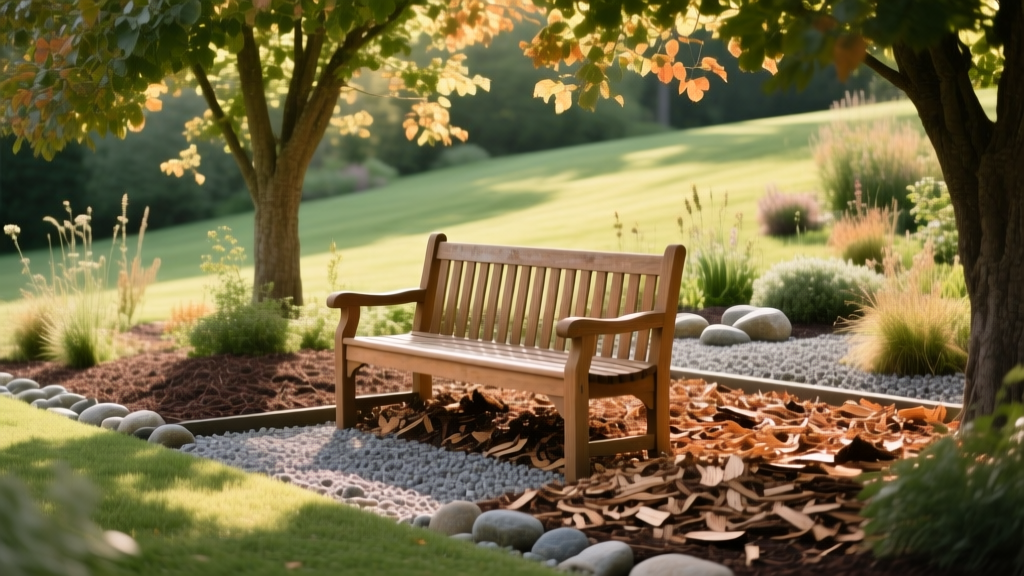
2026 Garden Bench Placement: Mulching for Focal Points & Shade
Lisa ThompsonPublished
Designing the Perfect Garden Bench Oasis in 2026
In the evolving world of landscape design, the garden bench remains a timeless element, serving as both a functional retreat and a visual anchor. However, as we move through 2026, homeowners and landscape architects are increasingly recognizing that a bench's impact relies heavily on its surrounding environment. The intersection of strategic placement, shade management, and advanced mulching methods is where true outdoor magic happens. Mulch is no longer just a weed suppressant; it is a primary design tool used to frame focal points, manage microclimates, and protect valuable hardscaping and furniture investments. Whether you are working with a sprawling backyard or a compact courtyard, understanding how to pair your garden bench placement with the right mulching materials will elevate your outdoor living space from ordinary to extraordinary.
Strategic Placement: Finding the Shade and the Sightline
Before a single bag of mulch is opened, the placement of the garden bench must be finalized. The ideal location serves two masters: the focal point and the shade. From a design perspective, a bench should be placed where it draws the eye from key vantage points, such as the back patio or a primary garden pathway. Simultaneously, it must offer respite from the intense midday sun, making the dappled shade of a mature deciduous tree or the edge of a structured pergola the perfect habitat.
Placing a bench under the canopy of a shade tree introduces specific soil and maintenance challenges. The dense root systems of mature oaks, maples, and elms compete aggressively for moisture, leaving the soil beneath them dry and difficult to cultivate. This is where mulching transitions from an aesthetic choice to a vital horticultural practice. By utilizing specialized mulching methods in these shaded zones, you can retain critical soil moisture, regulate ground temperature, and create a defined, visually striking 'room' within the broader landscape.
Mulching Methods to Create a Striking Focal Point
To transform your garden bench into a true focal point in 2026, you must use mulch to create deliberate contrast and geometric framing. The 'Mulch Island' method is highly effective for this. Instead of pushing the bench against a fence or embedding it in an overgrown flower bed, create a dedicated, geometrically precise mulch bed that extends at least 24 to 36 inches beyond the footprint of the bench on all sides.
Color contrast is a dominant trend this year. If your bench is crafted from natural, unstained cedar or teak, utilizing a dark, rich mulch—such as double-shredded hardwood dyed with eco-friendly, vegetable-based black or deep mahogany dyes—creates a stunning visual pop. The dark mulch acts as a matte canvas, making the warm wood tones of the bench stand out vibrantly. Conversely, if your bench is painted a dark slate or forest green, a lighter mulch material, such as natural pine straw or bleached cedar, provides the necessary contrast to ensure the bench doesn't disappear into the shadows of the canopy above.
Edging is the unsung hero of the focal point method. In 2026, Corten steel edging and flexible black aluminum landscape borders are the industry standards for creating crisp, permanent boundaries between your mulch bed and the surrounding turf. A sharp, clean edge signals intentionality, telling the eye that the bench and its mulched surround are a curated exhibit within the garden.
Managing Deep Shade: Mulch Materials Under the Canopy
When your focal point bench is situated in deep shade, the choice of mulch material must address the unique microclimate. According to the University of Minnesota Extension, mulching under trees is essential for protecting surface roots and conserving moisture, but the material must be applied correctly to avoid suffocating the tree or promoting fungal diseases in damp, shaded environments.
In deep shade, air circulation is often limited, meaning organic mulches break down differently and can harbor excess moisture against the base of your bench legs or the tree trunk. For the broader shaded bed surrounding the bench, coarse organic mulches like large pine bark nuggets or shredded arborist woodchips are ideal. Their larger particle size allows for better water infiltration and air exchange compared to finely shredded mulches, which can mat together and form an impermeable crust in damp, shaded conditions.
The Transitional Zone: Protecting Your Bench from Rot and Splash
A common mistake in garden bench placement is allowing organic mulch to rest directly against the legs of wooden or metal furniture. In shaded areas where moisture lingers, this constant contact accelerates wood rot and promotes rust on metal frames. Furthermore, heavy rainstorms can cause organic mulch to splash onto the bench seating area, creating a muddy mess.
To combat this, landscape designers in 2026 are employing the 'Transitional Zone' method. This involves creating a 12-to-18-inch perimeter immediately beneath and around the bench using inorganic mulch materials. Crushed granite, pea gravel, or decorative river rock are excellent choices. These materials do not retain moisture, do not splash when struck by raindrops, and provide a stable, level surface for the bench legs. By transitioning from inorganic gravel directly under the bench to organic wood mulch in the surrounding focal point bed, you achieve a multi-textured, highly functional design that protects your furniture while maintaining the aesthetic warmth of the garden.
2026 Mulch Material Comparison for Bench Zones
| Mulch Material | Type | Shade Suitability | Focal Point Impact | 2026 Avg. Cost (Per Cu. Yard) |
|---|---|---|---|---|
| Dyed Black Hardwood | Organic | Moderate (Needs aeration) | High (Sharp contrast) | $42 - $48 |
| Large Pine Bark Nuggets | Organic | Excellent (Airflow) | Moderate (Rustic texture) | $35 - $40 |
| Crushed Decomposed Granite | Inorganic | Excellent (Dry base) | High (Modern, clean lines) | $55 - $65 |
| River Rock (1-2 inch) | Inorganic | Good (Splash prevention) | Moderate (Natural blend) | $50 - $60 |
| 100% Recycled Rubber Mulch | Inorganic | Good (Does not compact) | Low (Can look artificial) | $60 - $75 |
Step-by-Step Mulching Installation Around Your Bench
Proper installation is critical to ensure your focal point remains pristine throughout the seasons. The Penn State Extension emphasizes that improper mulching, particularly 'volcano mulching' against tree trunks, can lead to severe root girdling and bark decay. When placing a bench under a shade tree, follow these steps:
- Clear the Base: Remove any existing weeds or turfgrass from the designated bench zone. If working under a tree, avoid deep tilling, which will sever vital feeder roots. Use a shallow sod cutter or hand weeder instead.
- Establish the Tree Ring: Keep all mulch at least 6 to 12 inches away from the trunk of the shade tree. The mulch should resemble a donut, not a volcano.
- Lay the Transitional Zone: Position your bench and outline its legs. Lay a heavy-duty geotextile weed barrier only in the specific 18-inch zone where the inorganic gravel will sit beneath the bench. This prevents the gravel from sinking into the soil over time.
- Apply Organic Mulch: Spread your chosen organic focal-point mulch (like dyed hardwood or pine bark) in the surrounding bed. Maintain a uniform depth of 2 to 3 inches. Any deeper, and you risk creating an anaerobic environment that breeds sour-smelling fungi and repels water.
- Rake and Define: Rake the mulch to create a smooth, level surface that slopes very slightly away from the bench's center to encourage water runoff. Sweep the hardscape edging clean to finalize the crisp focal point.
Sustainable Practices and Water Retention
As environmental consciousness continues to shape landscaping in 2026, sustainable mulching practices are paramount. The EPA WaterSense Landscaping Guidelines highlight that maintaining a proper layer of organic mulch can reduce soil water evaporation by up to 50%, significantly cutting down on the irrigation needed for the shade-tolerant hostas, ferns, and astilbes that often accompany a garden bench oasis.
For the eco-conscious homeowner, sourcing locally produced arborist woodchips or utilizing biochar-infused mulches are top-tier choices. Biochar, a form of charcoal used as a soil amendment, is increasingly being blended into premium mulches in 2026. It acts as a permanent carbon sink, improves soil structure in the compacted, dry shade beneath trees, and provides a long-lasting, dark aesthetic that rivals synthetic dyes. By integrating these advanced materials and thoughtful placement strategies, your garden bench will not only serve as a breathtaking focal point but also as a hub of ecological balance and shaded comfort for years to come.

