Gardening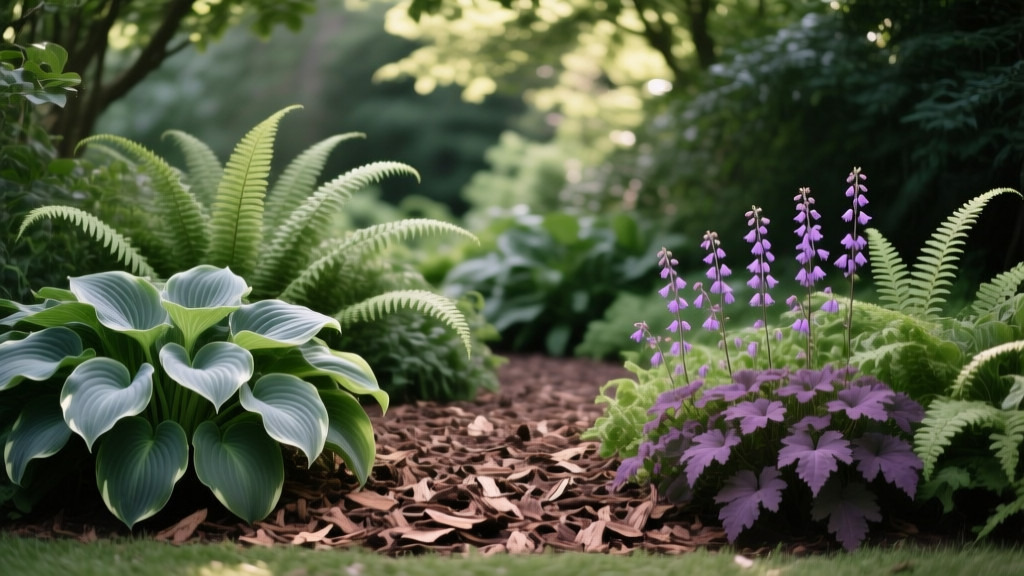
Top Mulching Methods For Hosta Fern Coral Bells Gardens 2026
Lisa ThompsonPublished
The Evolution of Shade Garden Mulching in 2026
Designing a lush, thriving shade garden relies heavily on the classic botanical trio: Hostas, Ferns, and Coral Bells (Heuchera). While these plants offer stunning textural contrasts and vibrant foliage, their long-term success in 2026 depends almost entirely on what lies beneath them. Mulching is no longer just about weed suppression; it is a critical microclimate management tool. In 2026, advanced mulching methods and specialized organic materials are helping gardeners replicate the natural forest floor, deter persistent pests like slugs, and prevent devastating fungal diseases. This comprehensive guide explores the exact mulching materials and application techniques required to perfect your hosta, fern, and coral bells combination this season.
Understanding the Unique Needs of the Shade Trio
Before selecting a mulch, it is vital to understand the distinct root structures and vulnerabilities of these three shade-loving perennials. A one-size-fits-all approach often leads to crown rot or pest infestations.
Hostas: Moisture Lovers with a Slug Problem
Hostas possess shallow, sprawling root systems that require consistently moist, well-draining soil. However, the damp, shady environments they thrive in are also the perfect breeding grounds for slugs and snails. The ideal mulch for hostas must retain soil moisture while creating a physical or chemical barrier against gastropods.
Ferns: The Woodland Floor Mimics
Whether you are planting Autumn Ferns, Painted Ferns, or classic Ostrich Ferns, these plants naturally grow in woodland environments where decades of decomposing leaves create a rich, spongy humus layer. Ferns require high organic matter and consistent humidity at the soil line. They are highly sensitive to soil compaction and benefit from mulches that promote aeration and gradual nutrient release.
Coral Bells (Heuchera): The Crown Rot Risk
Coral bells offer brilliant foliage colors, from deep burgundy to electric lime, but they have a fatal flaw: extreme susceptibility to crown rot. According to the University of Minnesota Extension, coral bells must never be planted too deeply, and mulch should never be allowed to pile up against their central crown. If moisture is trapped against the Heuchera crown by heavy mulch, the plant will rapidly decay and die.
Top Mulch Materials for 2026 Shade Gardens
The gardening industry has seen significant shifts in sustainable and functional mulch products. Here are the top materials recommended for the hosta-fern-coral bells combination in 2026.
1. Composted Leaf Mold
Leaf mold is the gold standard for shade gardens. It perfectly mimics the natural woodland floor, providing excellent moisture retention, promoting beneficial mycorrhizal fungi, and slowly acidifying the soil to the slightly acidic pH (6.0-6.5) preferred by ferns and hostas. In 2026, many municipal composting facilities offer commercially bagged, pathogen-free leaf mold specifically screened for perennial beds.
2. Shredded Cedar Mulch
As noted by Penn State Extension, hostas are notorious targets for slugs, which can decimate foliage overnight. Shredded cedar contains natural oils (thujone) that act as a mild repellent to slugs, snails, and certain insects. Its interlocking, shredded texture also prevents it from washing away during heavy spring rains, creating a stable mat that locks in soil moisture without suffocating fern roots.
3. Pine Bark Fines (Soil Conditioner)
Pine bark fines are small, composted pieces of pine bark. They are exceptional for coral bells because they provide excellent drainage and do not mat down or hold excess water against the plant crown. They also break down slowly, adding organic matter without tying up soil nitrogen.
4. Biochar-Infused Woodland Blends
A major trend in 2026 is the integration of biochar into traditional wood mulches. Biochar acts like a microscopic sponge, holding onto water and nutrients in the root zone. For shade gardens that experience dry spells under the canopy of large trees, a biochar-blended hardwood mulch ensures that hostas and ferns remain hydrated even when competing with tree roots.
Mulch Comparison Chart for the Shade Trio
Use the table below to select the best material based on your specific garden challenges and budget.
| Mulch Material | Moisture Retention | Slug Deterrence | Crown Rot Risk | 2026 Avg Cost |
|---|---|---|---|---|
| Composted Leaf Mold | Excellent | Low | Moderate | $4.50 / cu ft |
| Shredded Cedar | Good | High | Low | $5.25 / cu ft |
| Pine Bark Fines | Moderate | Low | Very Low | $4.00 / cu ft |
| Biochar-Hardwood Blend | Excellent | Moderate | Low | $6.50 / cu ft |
| Cocoa Bean Hulls | Good | High | Moderate | $7.00 / cu ft |
Note: Cocoa bean hulls are highly effective at deterring slugs but are toxic to dogs. If you have pets that roam your shade garden, avoid this material entirely and opt for shredded cedar instead.
The 'Donut and Moat' Mulching Technique
Applying the mulch correctly is just as important as the material you choose. To accommodate the differing needs of hostas, ferns, and coral bells in the same bed, employ the 'Donut and Moat' technique.
Step 1: Soil Preparation and Hydration
Before laying any mulch, remove all existing weeds by hand to avoid disturbing the shallow roots of your perennials. Water the garden deeply, ensuring the soil is moist to a depth of at least 6 inches. Mulch applied over dry soil will simply repel light rain and prevent moisture from reaching the root zone.
Step 2: The Heuchera Donut
When mulching around Coral Bells, create a strict 'donut' shape. Pull the mulch back at least 3 inches from the central crown of the Heuchera. The crown must remain exposed to the air and sunlight. Piling mulch against the stem (often called 'volcano mulching') is the leading cause of bacterial and fungal crown rot in shade gardens.
Step 3: The Fern and Hosta Moat
For ferns and hostas, apply a 2 to 3-inch layer of composted leaf mold or shredded cedar. As recommended by the Morton Arboretum, proper mulching depth is critical; exceeding 3 inches can suffocate roots and create anaerobic conditions that breed foul-smelling, toxic fungi. Create a slight depression or 'moat' around the outer drip line of large hosta clumps to capture rainwater and direct it down into the root zone.
Seasonal Mulch Maintenance for 2026
Shade garden mulches break down at different rates, and maintaining them throughout the year ensures continuous protection.
Spring Refresh and Slug Patrol
In early spring, before hosta eyes (shoots) begin to emerge, gently rake the existing mulch to break up any matted layers that formed over winter. This allows the soil to warm up slightly, triggering healthy, synchronized growth. If using leaf mold, top-dress the bed with a fresh 1-inch layer to replace what has decomposed. This is also the time to apply organic iron phosphate slug baits around the perimeter of the mulched bed.
Winter Insulation vs. Frost Heaving
Coral bells are particularly prone to 'frost heaving' in regions with fluctuating winter temperatures, where freeze-thaw cycles push the shallow roots completely out of the ground. In late fall, after the ground has frozen, apply an extra 2 inches of loose pine boughs or straw over the Heuchera and ferns. This insulating layer keeps the soil temperature stable, preventing the thawing that causes heaving. Remove this winter mulch gradually in early spring.
Advanced 2026 Mulching Innovations
The current gardening season has introduced several smart technologies and advanced organic amendments that pair beautifully with traditional mulching methods. One notable innovation is the use of beneficial nematode-infused mulch toppers. While nematodes are typically applied via water drench, new 2026 organic mulch sprays contain dormant beneficial microbes and nematodes that activate upon watering, actively hunting down slug eggs and soil-dwelling pests hiding in the mulch layer.
Additionally, smart moisture sensors designed specifically for shade gardens are now being buried just beneath the mulch layer. These Bluetooth-enabled probes connect to smartphone apps, alerting gardeners when the moisture levels beneath the dense hosta canopy drop below optimal thresholds, taking the guesswork out of watering schedules during dry summer spells.
Conclusion
Mastering the shade garden requires more than just selecting beautiful plants; it demands a deep understanding of the soil environment they inhabit. By pairing the moisture-loving nature of hostas and ferns with the delicate crown requirements of coral bells, and utilizing targeted 2026 mulching materials like shredded cedar and composted leaf mold, you can create a resilient, low-maintenance woodland oasis. Remember to utilize the donut method for your Heuchera, maintain a strict 2-to-3-inch depth, and embrace the natural decomposition process to feed your soil year after year. With these advanced mulching methods, your shade garden will thrive beautifully throughout the 2026 season and beyond.
