Gardening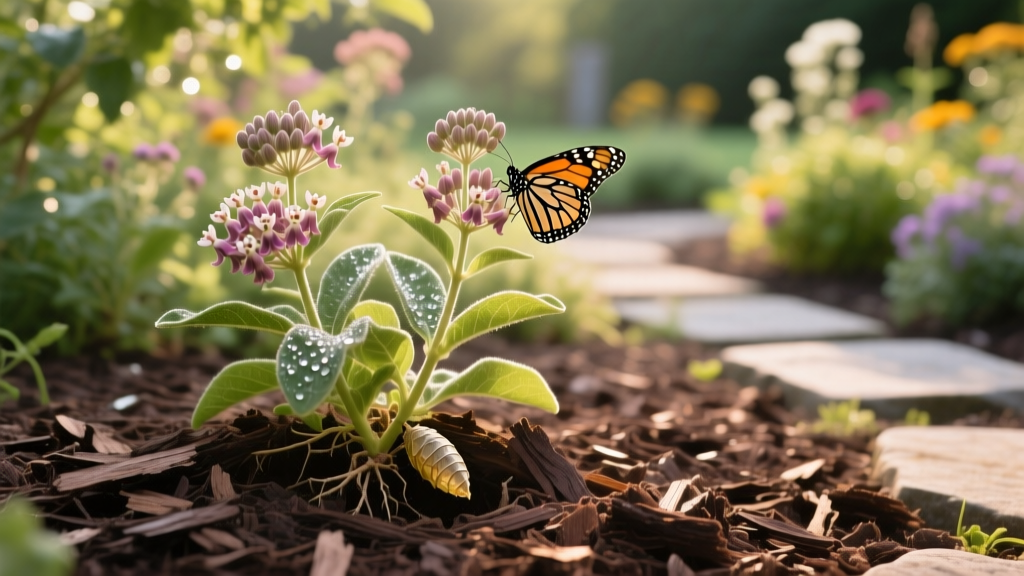
Mulching Butterfly Gardens: Milkweed & Bush 2026 Guide
Emily WatsonPublished
Introduction to Pollinator-Safe Mulching in 2026
Designing a thriving butterfly garden requires more than just selecting the right nectar and host plants; it demands a deep understanding of the soil ecosystem and the microhabitats that support pollinators through every stage of their life cycle. As we navigate the 2026 gardening season, the intersection of plant health and insect conservation has never been more critical. Mulching is often treated as a mere aesthetic finishing touch or a basic weed-suppression tactic, but in a dedicated butterfly garden, your choice of mulch can mean the difference between a flourishing sanctuary and a struggling patch of earth.
When cultivating staple pollinator plants like Milkweed (Asclepias spp.) and Butterfly Bush (Buddleja davidii), the mulching methods you employ must address the specific physiological needs of the plants while simultaneously providing safe harbor for caterpillars, chrysalises, and ground-nesting native bees. This comprehensive guide explores the best mulching materials, application techniques, and seasonal strategies to optimize your butterfly garden in 2026.
Understanding Your Host and Nectar Plants
Milkweed (Asclepias spp.)
Milkweed is the indispensable host plant for the Monarch butterfly. Whether you are growing Common Milkweed (Asclepias syriaca), Swamp Milkweed (Asclepias incarnata), or Butterfly Weed (Asclepias tuberosa), these plants generally possess deep taproots and require excellent soil drainage. According to the Monarch Joint Venture, improper soil moisture and heavy, suffocating ground covers can lead to root rot and fungal issues that decimate milkweed patches. Butterfly Weed, in particular, is highly susceptible to crown rot if mulch is piled against its base or if heavy, water-retaining mulches are used in poorly draining soils.
Butterfly Bush (Buddleja davidii)
The Butterfly Bush is a legendary nectar source for Swallowtails, Painted Ladies, and Monarchs. However, as of 2026, many states and local municipalities have updated their invasive species regulations, heavily restricting or banning the sale of fertile Buddleja davidii cultivars. Modern butterfly gardeners are now exclusively planting verified sterile cultivars, such as 'Miss Violet', 'Blue Chip Buzz', and the 'Flutterby' series. For detailed cultivar information and regional invasiveness data, the NC State Extension Plant Database remains an essential resource. Like milkweed, butterfly bushes despise 'wet feet' and are highly vulnerable to winter crown rot if mulched incorrectly.
Best Mulching Materials for Butterfly Gardens
Not all mulches are created equal. In 2026, the shift toward sustainable, locally sourced, and ecologically functional mulches has transformed how we approach garden beds. Below is a comparison of the most common mulching materials and their suitability for milkweed and butterfly bush gardens.
| Mulch Material | Drainage & Moisture | Pollinator Safety | Best Application |
|---|---|---|---|
| Shredded Oak Leaves | Excellent drainage; moderate moisture retention. | High. Provides overwintering habitat for pupae. | Milkweed beds and general pollinator borders. |
| Pine Straw | Superior drainage; prevents soil compaction. | High. Allows ground-nesting bees to access soil. | Butterfly Bush bases and sloped garden beds. |
| Untreated Hardwood Bark | Good moisture retention; can mat if too thick. | Moderate. Can harbor slugs if applied too thickly. | Garden pathways and outer perimeter borders. |
| Pea Gravel / Pebbles | Maximum drainage; high heat reflection. | Low. Offers no shelter for fallen chrysalises. | Xeriscape butterfly gardens in arid climates. |
The 'Donut' Method: Protecting Crowns from Rot
The most common mistake gardeners make with woody perennials like the Butterfly Bush is 'volcano mulching'—piling mulch high against the main stem. This traps moisture against the bark, inviting fungal pathogens and crown rot, which can kill the plant over a single wet winter. In 2026, professional horticulturists universally recommend the 'Donut Method' for butterfly bushes.
How to execute the Donut Method:
- Clear the Base: Remove all existing mulch, soil, and debris from the immediate 3-to-4-inch radius around the central woody crown of the butterfly bush.
- Apply the Ring: Begin applying your chosen mulch (pine straw or shredded leaves are ideal) 4 inches away from the stem.
- Control the Depth: Spread the mulch outward to the plant's drip line, maintaining a depth of no more than 2 to 3 inches. This ensures water can penetrate the soil without smothering the shallow feeder roots.
Mulching Milkweed for Monarch Conservation
Milkweed requires a slightly different approach. Because Monarch caterpillars often crawl away from the host plant to find a safe, sheltered spot to form their chrysalis, the ground surrounding your milkweed is a critical pupation zone. If the soil is covered in thick, impenetrable wood chips or synthetic landscape fabric, caterpillars may struggle to find suitable overwintering or pupation sites.
Furthermore, many native bee species are ground-nesters. They require access to bare, undisturbed soil to dig their brood chambers. The best practice for milkweed beds is to use a light layer of shredded, un-dyed leaves, leaving deliberate 'bare patches' of soil exposed. This mimics the natural woodland edge and meadow ecosystems where these plants evolved.
Overwintering and the 'Leave the Leaves' Philosophy
As autumn approaches, the instinct to clean up the garden and lay down fresh, uniform layers of commercial mulch can be detrimental to your local butterfly population. Many butterfly species, including the Mourning Cloak and various Swallowtails, overwinter as adults or chrysalises hidden within leaf litter and dried plant stalks.
The Xerces Society strongly advocates for the 'Leave the Leaves' movement. Instead of bagging up fall leaves and replacing them with store-bought mulch, shred your fallen leaves directly into the garden beds using a mulching mower. This free, nutrient-rich material insulates the soil, protects overwintering chrysalises from extreme temperature fluctuations, and breaks down over the spring to feed the soil microbiome. For milkweed and butterfly bush beds, a 3-inch layer of shredded fall leaves is the most ecologically sound mulch you can provide.
What to Avoid: Toxic and Harmful Mulches in 2026
When shopping for mulch at your local garden center, be highly vigilant about the following materials, which have no place in a pollinator garden:
- Dyed Mulches (Red, Black, or Brown): The dyes used in commercial colored mulches often contain heavy metals and chemical binders that can leach into the soil. Furthermore, the wood used for dyed mulch is frequently recycled from pallets and construction waste, which may harbor unknown chemical treatments.
- Rubber Mulch: Made from recycled tires, rubber mulch releases microplastics and volatile organic compounds (VOCs) into the soil as it heats up in the summer sun. It provides zero nutritional value to the soil and is a death trap for ground-dwelling insects.
- Pre-Emergent Treated Mulches: Some bagged mulches are pre-treated with herbicides (like Preen) to prevent weed seeds from germinating. These chemicals do not discriminate and can severely stunt the growth of your milkweed seedlings and harm the delicate soil biology required for a healthy garden.
- Cocoa Bean Hulls: While they smell wonderful and look great, cocoa bean mulch contains theobromine, which is highly toxic to dogs and other foraging wildlife that may visit your garden.
Seasonal Mulching Timeline for Butterfly Gardens
Spring: Wait until the soil has warmed and daytime temperatures are consistently above 50°F (10°C) before refreshing your mulch. Pull back winter leaf litter slightly from the immediate crowns of emerging milkweed to prevent rot, but leave the rest of the litter intact for late-emerging native bees and overwintering pupae.
Summer: Monitor moisture levels. If using pine straw or shredded leaves, you may need to lightly top-dress the beds if the material has decomposed rapidly due to high heat and microbial activity. Ensure the 'donut' around your butterfly bushes remains clear of debris.
Fall: This is the most important mulching season for pollinator gardens. Shred fallen leaves directly into the beds. Do not cut back the dead stalks of your milkweed or butterfly bush; leave them standing to provide natural shelter and seed heads for overwintering birds and insects.
Winter: Avoid walking on the mulched beds to prevent soil compaction. The layer of shredded leaves will act as a thermal blanket, protecting the deep taproots of the milkweed and the shallow crown of the sterile butterfly bush cultivars from freeze-thaw cycles.
Conclusion
Mulching a butterfly garden in 2026 is an exercise in ecological stewardship. By moving away from sterile, heavily processed commercial mulches and embracing natural, functional materials like shredded leaves and pine straw, you create a holistic environment. Your milkweed will develop stronger root systems, your sterile butterfly bushes will avoid crown rot, and the next generation of Monarchs and Swallowtails will have the safe, sheltered habitat they need to complete their miraculous life cycles.
