
Landscaping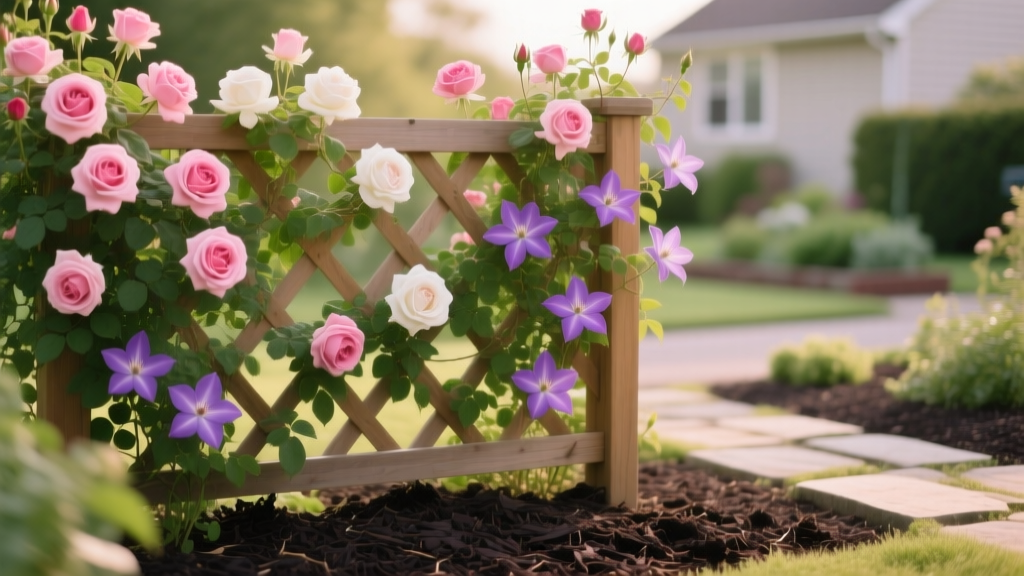
2026 Mulching Guide: Trellis Roses And Clematis Vines
Lisa ThompsonPublished
The Intersection of Vertical Gardening and Soil Health in 2026
As landscaping trends continue to evolve in 2026, the integration of vertical structures like garden trellises with premium soil management techniques has become a cornerstone of high-end garden design. Installing a robust garden trellis for climbing roses and clematis vines is only half the battle; the true secret to explosive blooms and vigorous vertical growth lies beneath the soil surface. Mulching around the base of your trellis requires a highly specific approach. You are not just suppressing weeds; you are actively managing microclimates, protecting expensive hardscaping hardware, and preventing devastating fungal diseases. This comprehensive guide explores the most effective mulching methods and materials specifically tailored for trellis-supported climbing roses and clematis vines.
Understanding the Unique Needs of Climbing Roses and Clematis
Before selecting your mulch, it is critical to understand the distinct physiological needs of these two popular climbing plants, as they dictate your mulching strategy.
The Clematis 'Cool Roots' Rule
Clematis vines famously thrive under the horticultural adage: 'head in the sun, feet in the shade.' While the trellis elevates the foliage and flowers into the sunlight they crave, the base of the plant remains vulnerable to soil-baked heat. According to the Royal Horticultural Society (RHS), keeping the root zone cool and consistently moist is paramount for preventing clematis wilt and ensuring robust flowering. A thick, insulating layer of organic mulch is non-negotiable for these vines, acting as a thermal barrier against the harsh summer sun that beats down on the trellis base.
Climbing Roses and Disease Prevention
Climbing roses, conversely, are highly susceptible to fungal pathogens like blackspot and powdery mildew. These diseases often originate when rain or irrigation water splashes soil-borne spores onto the lower canes. Mulching acts as a protective barrier, absorbing the impact of water droplets and preventing soil splash. However, roses are also prone to crown rot if moisture is trapped directly against their graft union. Therefore, the mulching method for roses requires careful placement to protect the canes while leaving the immediate crown exposed to airflow.
Top Mulch Materials for Trellis Bases in 2026
Not all mulches are created equal, especially when dealing with the dense root systems of climbing vines and the physical presence of trellis posts. Below is a comparison of the top mulching materials recommended for 2026.
| Mulch Material | Pros | Cons | Best Application |
|---|---|---|---|
| Composted Pine Bark | Excellent moisture retention, slightly acidic, breaks down slowly to feed soil. | Can be washed away on steep slopes if not shredded. | Ideal for Clematis bases requiring cool, acidic soil environments. |
| Arborist Woodchips | Highly sustainable, suppresses weeds effectively, regulates soil temperature. | Can temporarily tie up soil nitrogen during initial decomposition. | Great for general rose beds, provided a nitrogen-rich compost layer is applied first. |
| Gravel / River Rock | Zero risk of fungal spores, permanent, protects trellis posts from rot. | Absorbs and radiates heat, poor moisture retention for roots. | Strictly for the 'collar' immediately surrounding wooden or metal trellis posts. |
| Biochar-Infused Mulch | 2026 sustainability trend; sequesters carbon, retains water and nutrients. | More expensive than traditional organic mulches. | Premium climbing rose beds where long-term soil structure improvement is desired. |
For a mixed trellis hosting both roses and clematis, a dual-layer approach is often best: a base layer of composted leaf mold or biochar for nutrient density, topped with shredded pine bark for temperature regulation and moisture locking.
The Gravel Collar Technique: Protecting Your Trellis Hardware
One of the most common mistakes landscapers make is piling organic mulch directly against the base of a garden trellis. In 2026, with the rise of both sustainably sourced wooden obelisks and powder-coated steel trellises, protecting the structural integrity of your hardscaping is vital. Organic mulch holds moisture against wood, accelerating rot and inviting carpenter ants. Against metal, constant moisture trapped by mulch can compromise protective coatings and initiate rust at the soil line.
The Solution: Implement a 'gravel collar.' Before applying your organic mulch, create a 4-inch wide, 2-inch deep ring of crushed gravel or river rock directly around every trellis post that enters the soil. This creates a dry, well-draining buffer zone that protects the hardware. You can then apply your organic mulch right up to the edge of the gravel collar, ensuring the vines get the moisture they need without sacrificing the trellis.
Step-by-Step Mulching Method for Trellis Bases
Follow this precise methodology to mulch your climbing vines correctly this season.
Step 1: Soil Preparation and Amendment
Never mulch over compacted, dry, or nutrient-deficient soil. Begin by gently cultivating the top inch of soil around the trellis base, being incredibly careful not to sever the shallow feeder roots of the clematis. Apply a half-inch layer of premium organic compost or well-rotted manure to provide a slow-release nutrient baseline for the growing season.
Step 2: Install the Hardware Buffer
As detailed above, place your crushed gravel collars around the trellis legs. This step is crucial for the longevity of your landscape architecture.
Step 3: Apply the 'Donut' Method for Roses
For the climbing roses, apply your chosen organic mulch (such as arborist woodchips or biochar blend) to a depth of 2 to 3 inches. Crucially, keep the mulch at least 3 inches away from the main rose canes and the graft union. The Clemson University Cooperative Extension emphasizes that 'volcano mulching'—piling mulch against plant stems—traps moisture, invites stem-boring insects, and causes fatal crown rot. Visualize a donut shape around the base of the rose.
Step 4: Blanket the Clematis Zone
Clematis roots are more forgiving of direct mulch contact and require the shade. Apply a 3 to 4-inch layer of shredded pine bark or composted leaves directly over the clematis root zone, extending outward to the drip line of the vine. This thick blanket will keep the roots cool even when the trellis above is baking in the July sun.
Step 5: Hydrate the Mulch Layer
Organic mulches, particularly woodchips and pine bark, can be hydrophobic when dry. After spreading, water the mulch layer deeply. This settles the material, eliminates air pockets, and kickstarts the beneficial microbial activity required to break down the organic matter into the soil below.
Seasonal Maintenance and 2026 Sustainability Trends
Mulch is not a 'set it and forget it' material. Organic mulches decompose, and their effectiveness wanes over time. In early spring, before your climbing roses break dormancy and the clematis begins its aggressive vine push, rake the existing mulch to break up any matted, hydrophobic crusts that formed over the winter. Top-dress with an additional 1 to 2 inches of fresh material to maintain the optimal depth.
In 2026, the landscaping industry is heavily focused on regenerative practices. Sourcing local arborist chips rather than bagged, dyed mulches reduces carbon footprints and supports local urban forestry programs. Furthermore, the integration of biochar into traditional mulch blends is revolutionizing how we maintain permanent structures like trellises. Biochar acts as a permanent coral reef for soil microbes, meaning the soil around your trellis base will become richer and more resilient year after year, reducing the need for synthetic fertilizers.
By understanding the distinct needs of your climbing plants and respecting the physical requirements of your garden trellis, you can create a thriving, disease-resistant vertical garden. Proper mulching methods ensure that your roses and clematis will scale their supports with vigor, providing a stunning, bloom-heavy display for years to come. For further reading on landscape bed maintenance, Penn State Extension offers excellent resources on long-term soil health and mulch decomposition rates.

