Lawn Care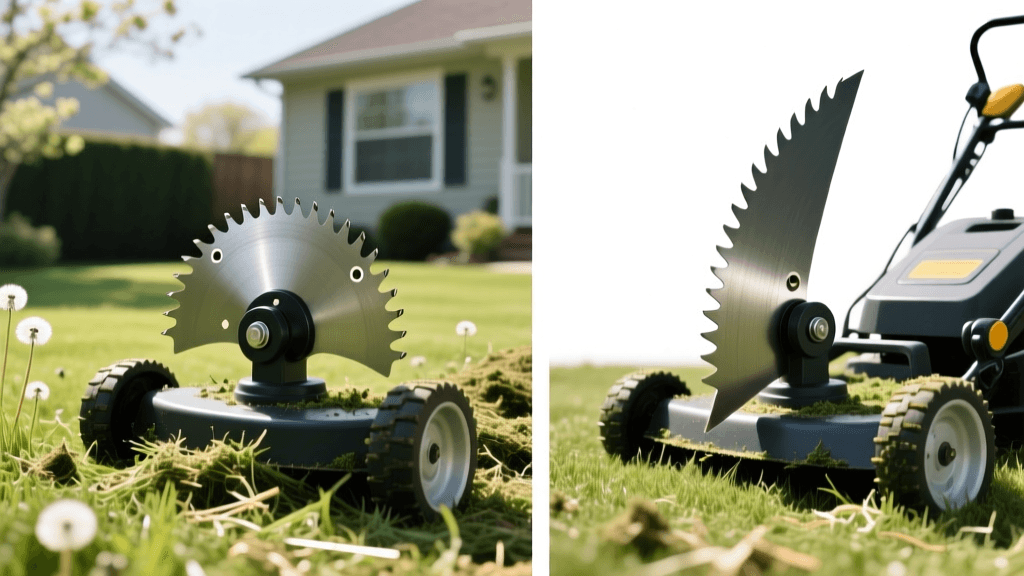
Mulching vs High-Lift Mower Blades: 2026 Comparison
The Great Blade Debate: Mulching vs High-Lift in 2026
When selecting the right equipment for your yard, the debate between a mulching blade vs high-lift blade is one of the most common dilemmas homeowners face. As we navigate the 2026 lawn care season, the shift toward advanced battery-powered mowers and sustainable landscaping practices has made blade selection more critical than ever. The blade spinning beneath your mower deck is not just a piece of sharpened steel; it is an aerodynamic tool that dictates how grass clippings and organic materials are processed, distributed, and recycled back into your soil.
Understanding the distinct engineering behind mulching blades and high-lift blades is essential for anyone serious about mulching methods and materials. Whether you are trying to recycle nitrogen-rich grass clippings back into the turf or clear away heavy, wet spring growth, using the wrong blade can lead to uneven cuts, clogged decks, and accelerated battery drain on modern cordless mowers. In this comprehensive guide, we will break down the physics, performance, and practical applications of both blade types to help you optimize your lawn care routine this year.
Mulching Blades: The Engine of Grasscycling
Mulching blades, often referred to as '3-in-1' or 'Gator' blades, are specifically engineered to keep grass clippings suspended beneath the mower deck for multiple cuts before they fall to the soil surface. Unlike standard blades, mulching blades feature a distinct curved design with additional cutting surfaces or 'teeth' along the edges. This unique geometry creates a cyclonic airflow inside the deck, essentially turning the cutting chamber into a blender.
The primary goal of a mulching blade is to chop organic material into microscopic pieces. According to Penn State Extension, grass clippings decompose rapidly and can provide up to 25% of your lawn's total nitrogen requirements, reducing the need for synthetic fertilizers. Because the clippings are cut so finely, they easily filter down to the soil line, where microbes break them down without contributing to thatch buildup.
Key Characteristics of Mulching Blades
- Extended Cutting Edges: Multiple teeth or curved edges ensure clippings are struck repeatedly.
- Reduced Airflow Velocity: Less upward suction means clippings stay in the deck longer rather than being expelled immediately.
- Dome-Shaped Profile: Many mulching blades have a raised center that increases the volume of the cutting chamber, allowing for better circulation of leaf litter and grass.
- Ideal for Dry Conditions: They perform best when grass is dry and you are adhering to the 'one-third rule' of mowing (never removing more than one-third of the grass blade height at a time).
High-Lift Blades: Masters of Airflow and Discharge
High-lift blades are the traditional workhorses of the lawn care industry, designed with one primary objective: maximum airflow. These blades feature a straight cutting edge that transitions into a large, aggressively angled fin or 'wing' on the trailing edge. As the blade spins, this fin acts like a fan, creating a powerful vacuum that lifts the grass blades upright before slicing them cleanly.
This intense upward suction is crucial for achieving a pristine, manicured stripe on your lawn and is the undisputed champion for bagging and side-discharge operations. If you are dealing with overgrown lawns, thick weeds, or damp morning grass, a high-lift blade will power through the dense vegetation and expel the clippings out of the chute without clogging the deck. However, this aggressive airflow makes high-lift blades entirely unsuitable for dedicated mulching, as the clippings are ejected before they can be sufficiently reduced in size.
Key Characteristics of High-Lift Blades
- Aggressive Trailing Fins: The large wings generate immense suction, lifting bent or heavy grass for an even cut.
- Rapid Clipping Expulsion: Perfect for side-discharge or attaching a collection bag, preventing deck clogging in wet conditions.
- Superior Striping: The heavy airflow bends the grass uniformly, creating those coveted, professional-looking lawn stripes.
- Higher Power Demand: The aerodynamic drag created by the fins requires more torque, which is a vital consideration for modern battery mowers.
Head-to-Head Comparison Chart
| Feature | Mulching Blade | High-Lift Blade |
|---|---|---|
| Primary Design | Curved with extra teeth/edges | Straight edge with large trailing fin |
| Airflow & Suction | Low to moderate (cyclonic) | Very high (linear vacuum) |
| Best Use Case | Mulching, dry grass, leaf shredding | Bagging, side-discharge, wet/tall grass |
| Clipping Size | Very fine (confetti-like) | Large (single cut) |
| Thatch Risk | Low (if mowed frequently) | High (if clippings are left on the lawn) |
| Battery Drain (2026 Models) | Lower (less aerodynamic drag) | Higher (requires more torque to spin) |
| Lawn Striping | Poor to Fair | Excellent |
Mulching Methods & Materials: Grass vs. Leaves
When discussing mulching methods, it is vital to recognize that the 'material' being mulched changes dramatically with the seasons. In the spring and summer, your primary material is grass clippings. As noted by the University of California Statewide IPM Program, returning these clippings to the soil acts as a natural, slow-release fertilizer that improves soil structure and moisture retention. A mulching blade is perfectly calibrated for this high-water, high-nitrogen material, ensuring it breaks down before it can smother the living turf.
However, in the autumn, the material shifts to fallen leaves. Leaves are carbon-rich and take much longer to decompose. If left whole, they form a dense mat that blocks sunlight and traps excess moisture, leading to snow mold and turf death. Mulching blades excel in this scenario by shredding dry leaves into dime-sized pieces. These fine leaf particles filter into the soil canopy, where earthworms and fungi break them down over the winter, enriching the soil with vital organic matter. Attempting to mulch heavy leaf litter with a high-lift blade usually results in large, unchopped leaves being blown across your property or clogging the discharge chute entirely.
The 2026 Battery Mower Factor: Torque and Runtime
A massive shift in the 2026 lawn care landscape is the dominance of high-voltage cordless mowers. With 80V and 120V brushless platforms from brands like EGO, Toro, and Milwaukee now offering gas-like power, homeowners must consider how blade aerodynamics affect battery runtime. High-lift blades create significant aerodynamic drag. While a modern brushless motor will automatically draw more current to maintain the blade's RPM under this load, this directly translates to reduced battery life. In heavy, thick grass, using a high-lift blade can reduce your mower's runtime by 15% to 20% compared to a mulching blade.
Conversely, mulching blades slice through the air with less resistance. If your primary goal is to maintain a healthy lawn through grasscycling and you are mowing on a regular schedule (where the grass is never excessively tall), swapping to a high-quality mulching blade can extend your battery runtime, allowing you to finish larger properties on a single charge. For those who still prefer to bag their clippings, the high-lift blade remains mandatory, but you may need to invest in secondary backup batteries to compensate for the increased power draw.
When to Switch Blades: A Seasonal Strategy
You do not have to commit to just one blade type for the entire year. Many professional landscapers and dedicated homeowners employ a seasonal blade-swapping strategy to get the best of both worlds.
- Early Spring (Wet, Fast Growth): Start the year with a high-lift blade. Spring grass is often damp, thick, and grows rapidly. The high-lift blade will stand the grass up for an even cut and efficiently discharge the heavy clippings into a bag or side chute, preventing deck clogging and fungal diseases.
- Late Spring to Early Fall (Dry, Regular Maintenance): Switch to a mulching blade. Once the grass growth slows and conditions dry out, use the mulching blade to return nutrients to the soil, save battery life, and eliminate the chore of emptying grass bags.
- Late Fall (Leaf Drop): Keep the mulching blade installed. Run the mower over fallen leaves multiple times to shred them into fine organic matter that will feed the soil over the winter.
Maintenance and Safety Best Practices
Regardless of whether you choose a mulching or high-lift blade, maintaining a sharp edge is non-negotiable. A dull blade tears the grass rather than slicing it, leaving jagged, brown tips that make the lawn susceptible to disease and moisture loss. In 2026, with the prevalence of hardened alloy steels used in premium aftermarket blades, you should aim to sharpen your blade every 20 to 25 hours of mowing time, or at least twice per season.
Always disconnect the spark plug wire on gas mowers or remove the battery entirely on cordless models before reaching under the deck. When inspecting the blade, check for micro-fractures, excessive wear on the trailing fins (on high-lift blades), or rounded teeth (on mulching blades). If the blade has lost more than a quarter-inch of its original width due to erosion from sand and soil, it is time to replace it to maintain optimal aerodynamic performance.
Conclusion
The choice between a mulching blade and a high-lift blade ultimately comes down to your specific lawn care goals, the materials you are processing, and the type of mower you operate. Mulching blades are the undisputed champions of sustainable lawn care, turning waste into valuable fertilizer and maximizing the efficiency of modern battery mowers. High-lift blades remain essential for pristine striping, managing overgrown turf, and effective bagging. By understanding the unique physics of each blade and adapting your strategy to the seasons, you can ensure your lawn remains thick, healthy, and vibrant throughout the 2026 season and beyond.