Lawn Care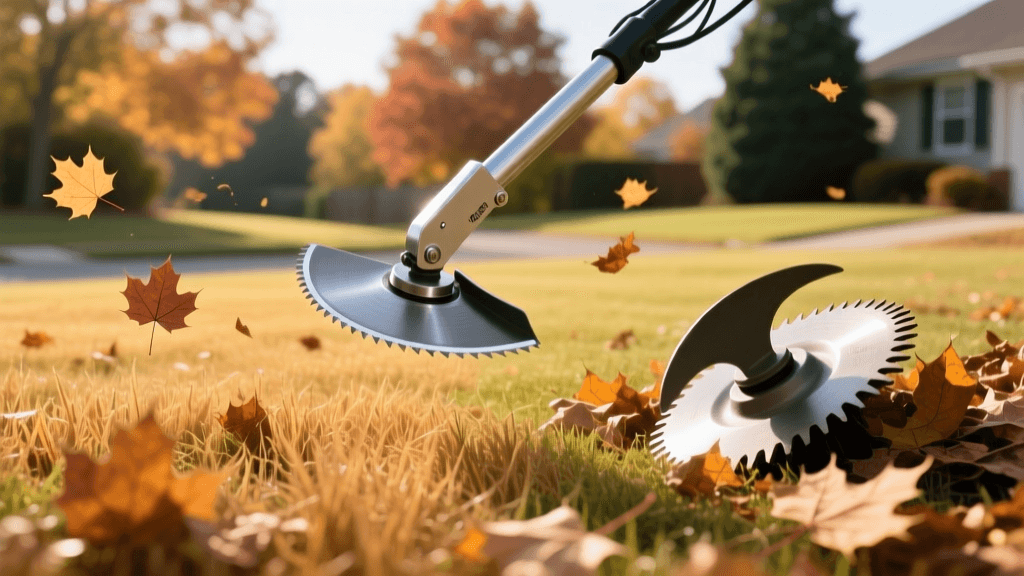
Mulching vs High-Lift Mower Blades: 2026 Fall Lawn Guide
The Critical Role of Mower Blades in Fall Lawn Care
As the air turns crisp and the leaves begin to change, your lawn undergoes a massive biological shift. Fall is arguably the most important season for turfgrass health, dictating how well your lawn will survive the winter and green up the following spring. For cool-season grasses like Kentucky Bluegrass, Tall Fescue, and Perennial Ryegrass, autumn brings a vigorous growth flush. Meanwhile, warm-season grasses are preparing for dormancy. Amidst this biological activity, homeowners face a universal autumn challenge: managing falling leaves, increased moisture, and the final mowing heights before winter.
One of the most common debates among lawn care enthusiasts and landscaping professionals centers on equipment setup, specifically the choice between mulching mower blades and high-lift blades. While many modern mowers come stock with mulching blades, the unique demands of fall lawn care often require a strategic switch. In this comprehensive 2026 guide, we will break down the aerodynamics, practical applications, and seasonal benefits of mulching versus high-lift blades to help you achieve a pristine, healthy lawn heading into winter.
The Anatomy of Mower Blades: Design and Aerodynamics
To understand which blade is best for your fall lawn, you must first understand how they interact with the air inside your mower deck.
Mulching Blades (3-in-1 Blades)
Mulching blades are designed with multiple cutting edges and a complex, contoured shape. Often featuring a slight downward bend or 'teeth' along the trailing edge, these blades are engineered to keep grass clippings and debris suspended under the mower deck. The goal is to cut the clippings repeatedly until they are fine enough to fall through the turf canopy and decompose rapidly at the soil level. They create a moderate amount of airflow, focusing more on chopping than on lifting.
High-Lift Blades (Standard or Bagging Blades)
High-lift blades feature a much simpler, straighter cutting edge but possess a pronounced, aggressive upward curve on the trailing wing. This steep angle acts like a fan, generating a powerful vacuum effect inside the mower deck. This high-velocity airflow stands the grass blades straight up before cutting them and forcefully throws the clippings and debris up into the discharge chute or collection bag.
Fall Lawn Challenges: Why Blade Choice Matters Now
Fall introduces variables that simply do not exist in the heat of summer. According to turfgrass experts at Penn State Extension, proper mowing practices in the autumn are vital for storing root carbohydrates and preventing winter diseases. The specific challenges of fall include:
- Heavy, Wet Leaf Drop: Autumn leaves, especially when damp from morning dew or fall rain, are heavy and prone to clumping.
- Tall, Damp Grass: Cool-season grasses grow rapidly in the fall, and cooler temperatures mean the grass holds more moisture, making it limp and difficult to cut cleanly.
- Snow Mold Prevention: Leaving long grass or thick layers of un-mulched leaves over the winter creates a humid microclimate that breeds snow mold (Microdochium nivale).
- Battery Drain on Cordless Mowers: With the massive adoption of high-voltage lithium-ion mowers in 2026, managing battery runtime while pushing through thick fall debris is a top priority for homeowners.
Mulching Blades in the Fall: Pros and Cons
Using a mulching blade during the early to mid-fall season can be highly beneficial, provided the conditions are right.
The Pros
Nutrient Recycling: Mulching grass clippings returns vital nitrogen, phosphorus, and potassium to the soil. In the fall, when cool-season grasses are actively storing nutrients in their root systems for winter survival, this natural fertilizer is invaluable.
Light Leaf Mulching: If you have a light scattering of dry leaves, a mulching blade will chop them into dime-sized pieces. Research highlighted by the University of Minnesota Extension confirms that mulching leaves directly into the turf canopy improves soil organic matter and does not harm the grass, provided the turf is still visible through the leaf litter.
The Cons
Clumping in Wet Conditions: When fall leaves are wet, or when the grass is tall and damp, a mulching blade's lower airflow fails to keep the debris suspended. The result is heavy, wet clumps of grass and leaves left on the lawn, which will smother the turf and block sunlight.
Deck Clogging: Pushing a mulching blade through thick, wet autumn debris often leads to a packed mower deck, requiring you to stop and scrape it out manually.
High-Lift Blades in the Fall: Pros and Cons
As late fall approaches and the leaf drop becomes heavy, the high-lift blade becomes an indispensable tool.
The Pros
Superior Bagging Performance: If your lawn is covered in a thick layer of oak or maple leaves, you must bag them to prevent turf suffocation. The intense vacuum created by a high-lift blade easily lifts heavy, wet leaves off the ground and shoots them into the bagger attachment.
Clean Cuts on Tall, Damp Grass: The lifting action stands up the limp, moisture-heavy fall grass blades, ensuring a clean, manicured cut rather than a ragged tear. A clean cut heals faster and reduces the entry points for fungal pathogens.
The Cons
Debris Scatter: If you are not using a bagger, the high-lift blade will blow heavy, wet leaves and clippings out of the side discharge in large, unsightly windrows that you will have to rake manually.
Increased Power Draw: The aerodynamic drag of the large lifting wing requires more torque from your mower's motor.
2026 Battery Mower Considerations
In 2026, battery-powered mowers dominate the residential market, with 56V, 60V, and even 80V platforms offering gas-like power. However, blade selection directly impacts your battery runtime. Because high-lift blades create more air resistance, they draw more amperage from the battery. If you are mulching dry grass and light leaves, stick to the mulching blade to maximize your battery's run time. If you must use a high-lift blade to bag heavy wet leaves, consider keeping a spare charged battery on hand, as the high-torque demand can reduce your expected runtime by 15% to 20%.
Comparison Chart: Mulching vs. High-Lift for Fall
| Feature | Mulching Blade | High-Lift Blade |
|---|---|---|
| Primary Airflow | Moderate, circular (keeps debris in deck) | High, vertical (lifts debris out of deck) |
| Best Fall Use Case | Early fall growth, light/dry leaf mulching | Late fall heavy leaf cleanup, bagging |
| Grass Cutting Quality | Good on dry, upright grass | Excellent on tall, damp, limp fall grass |
| Leaf Management | Chops dry leaves into soil canopy | Vacuums heavy/wet leaves into bagger |
| Battery Impact (2026) | Lower amp draw, maximizes runtime | Higher amp draw, reduces runtime |
| Disease Risk | High if wet clippings clump and smother turf | Low, as debris is efficiently removed |
Best Practices for Fall Mowing in 2026
To get the most out of your mower and protect your turf, follow these actionable fall lawn care steps:
1. Follow the 1/3 Rule Strictly
Never remove more than one-third of the grass blade in a single mowing. If your Tall Fescue has shot up to 4.5 inches due to fall rains, set your deck to 3 inches. If it is still too tall after the first pass, wait a day and mow it again at your target height. Cutting too much at once shocks the root system right before winter.
2. Switch Blades Based on the Task
The most effective lawn care strategy in the fall is adaptability. Keep your mulching blade installed for your standard weekly mows while the grass is surging and leaves are sparse. The weekend after a major storm or heavy leaf drop, spend ten minutes swapping to your high-lift blade, attach your bagger, and vacuum the lawn clean.
3. Lower the Deck for the Final Mow
For your very last mow of the season, right before the first hard freeze or snow, lower your mower deck by half an inch to an inch. For cool-season grasses, bringing the final cut height down to about 2 to 2.5 inches prevents the grass from matting down under the weight of snow, which is the primary catalyst for snow mold. Use a high-lift blade for this final cut to ensure every last bit of debris is bagged and removed from the lawn surface.
4. Maintain Razor-Sharp Edges
Fall debris, including hidden twigs, pinecones, and acorns, will dull your mower blade faster than summer grass. A dull blade tears the grass, leaving frayed, white tips that invite fungal diseases. Inspect your blade every 10 hours of runtime during the fall, and keep a sharpened spare on hand so you can swap them out without delaying your mowing schedule.
Conclusion
There is no single 'best' mower blade for the entire autumn season. The secret to a lush, disease-free lawn in the spring lies in understanding the shifting dynamics of your yard in the fall. By utilizing a mulching blade to recycle nutrients during the early autumn growth flush, and strategically switching to a high-lift blade to vacuum up heavy, wet leaves and prep the lawn for winter, you will optimize both your turf health and your equipment's performance. Equip yourself with the right blade for the week's specific conditions, and your lawn will reward you with a vibrant, early green-up in 2027.