Gardening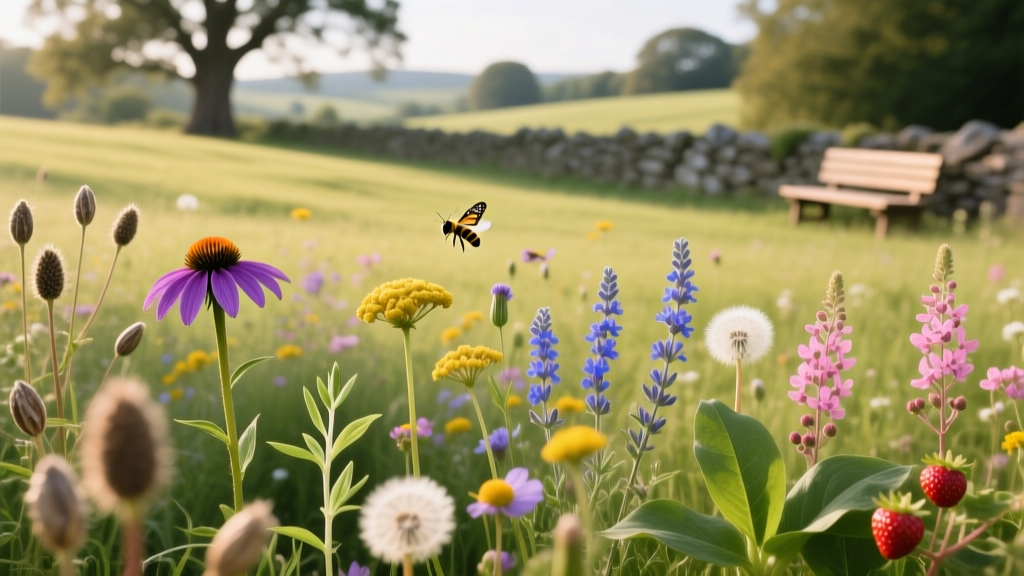
Native Wildflower Meadow Seed Mix Guide For Foodscaping 2026
Lisa ThompsonPublished
The Intersection of Wildflower Meadows and Foodscaping
In 2026, the concept of the home foodscape has evolved far beyond simple raised beds and fruit trees. Modern edible landscaping is about creating a holistic, resilient ecosystem where every plant serves a purpose. Establishing a native wildflower meadow from a carefully curated seed mix is one of the most impactful ways to elevate your foodscape. By integrating a native meadow, you are not just planting flowers; you are building a biological engine that drives pollination, pest management, and soil health for your edible crops.
Foodscaping relies heavily on the synergy between different plant communities. While your vegetable garden provides the caloric and nutritional harvest, the adjacent native wildflower meadow provides the ecological infrastructure. According to The Xerces Society, native pollinators are significantly more efficient at pollinating many food crops than managed honeybees. A diverse meadow ensures that when your squash, berries, and fruit trees bloom, there is a resident army of native bees, syrphid flies, and beneficial wasps ready to maximize your yield.
Furthermore, many native wildflower species themselves offer edible, medicinal, and culinary benefits. Transforming a patch of unused lawn into a thriving, climate-adapted meadow is a cornerstone project for any serious foodscape enthusiast this year. This comprehensive guide will walk you through the exact steps to establish a native wildflower meadow from seed in 2026, ensuring long-term success and abundant harvests.
The Foodscape Philosophy: Why Meadows Matter for Edible Yields
Before breaking ground, it is essential to understand why a native meadow is a vital component of an edible landscape. In regenerative agriculture and advanced home foodscaping, we view the garden as a web of relationships. A native wildflower meadow acts as a permanent insectary. It provides overwintering habitat for predatory beetles and parasitic wasps that naturally control aphids, hornworms, and caterpillars in your nearby vegetable beds.
Additionally, native meadow plants possess deep, extensive root systems that break up compacted soil, improve water infiltration, and sequester carbon. When situated near shallow-rooted annual vegetables, the meadow acts as a living sponge, reducing runoff and moderating soil moisture levels during the increasingly erratic summer heatwaves we are experiencing in 2026. By selecting a seed mix that includes species with edible or medicinal properties, you also expand your harvestable yield beyond traditional row crops.
Step 1: Site Preparation and Soil Occultation
The single most common reason wildflower meadow plantings fail is inadequate site preparation. You cannot simply scatter native seeds over an existing lawn and expect a meadow. Native wildflower seeds require direct soil contact and minimal competition from aggressive turfgrass and broadleaf weeds.
In 2026, the gold standard for chemical-free site preparation is soil occultation using silage tarps. This method involves mowing the existing vegetation as short as possible, watering the area to trigger weed seed germination, and then covering the entire site with a heavy, UV-treated black silage tarp. Leave the tarp in place for six to eight weeks during the warm months. The combination of heat, darkness, and moisture will effectively terminate the existing turf and deplete the shallow weed seed bank without disturbing the soil structure or bringing dormant weed seeds to the surface.
Once the tarp is removed, do not rototill the soil. Tilling destroys the soil food web and brings millions of dormant weed seeds to the surface. Instead, lightly rake the top quarter-inch of soil to create a shallow, friable seedbed. If your soil is heavily compacted, consider a broadfork aeration rather than mechanical tilling. According to the Lady Bird Johnson Wildflower Center, most native wildflowers actually prefer lean, undisturbed soils and will perform poorly in heavily amended, high-nitrogen garden beds.
Step 2: Selecting Your 2026 Regional Seed Mix
Selecting the right seed mix is critical for a foodscape. You must avoid generic, big-box store 'wildflower' mixes, which are often packed with invasive annuals and non-native weeds. Instead, source a 100% native, regional ecotype seed mix from a reputable conservation nursery. In 2026, climate-adapted mixes are widely available, featuring genotypes that are resilient to shifting local weather patterns.
When reviewing seed mix formulations, look for a balance of early, mid, and late-season bloomers to ensure a continuous nectar flow for your pollinators throughout the growing season. Additionally, prioritize mixes that include species known for their dual-purpose edible or medicinal traits. Plants like Wild Bergamot (Monarda fistulosa), Purple Coneflower (Echinacea purpurea), and Yarrow (Achillea millefolium) are meadow staples that also belong in the foodscape apothecary and kitchen.
For precise regional recommendations and to ensure you are planting species native to your specific county, consult the ecoregional planting guides provided by the Pollinator Partnership. These guides are regularly updated to reflect the most current ecological data and are indispensable for foodscape planning.
Regional Seed Mix Comparison for Foodscapes
Below is a comparison of popular regional native seed mix profiles and how they integrate into an edible landscape strategy.
| Regional Mix Focus | Key Native Species | Edible and Medicinal Uses | Primary Foodscape Benefit |
|---|---|---|---|
| Northeast Pollinator | Asclepias tuberosa, Monarda fistulosa, Symphyotrichum novae-angliae | Monarda leaves for culinary tea; Aster petals for salads | Boosts squash and tomato pollination; attracts predatory wasps |
| Midwest Prairie | Echinacea purpurea, Achillea millefolium, Coreopsis lanceolata | Echinacea roots for immune tinctures; Yarrow leaves for bitters | Deep drought resilience; supports native squash bees |
| Southwest Arid | Baileya multiradiata, Salvia apiana, Penstemon eatonii | White Sage (Salvia) for culinary and ceremonial use | Extreme heat tolerance; vital for desert crop pollinators |
| Pacific Northwest | Eschscholzia californica, Sidalcea malviflora, Lupinus polyphyllus | Lupinus seeds (requires specific leaching and cooking prep) | Nitrogen fixation in poor soils; early spring bee forage |
Step 3: Sowing Techniques for Optimal Germination
Native wildflower seeds are incredibly small and require light to germinate. They must be surface-sown and never buried. The ideal time to establish a meadow from seed is through dormant seeding in late fall or early winter, after soil temperatures have dropped below 45°F (7°C). This mimics nature's timeline, allowing the seeds to undergo natural cold stratification over the winter, which breaks their dormancy and prepares them for vigorous spring germination.
To ensure even distribution, mix your native seed with a carrier material. In 2026, many professionals use a mixture of dampened vermiculite and fine masonry sand. Use a ratio of roughly one part seed to ten parts carrier. Divide your seed-carrier mixture in half. Broadcast the first half while walking in horizontal lines across your prepared seedbed, and broadcast the second half while walking in vertical lines. This cross-hatching technique prevents bare patches and ensures a uniform meadow density.
After broadcasting, do not rake the seeds into the soil. Instead, use a lightweight lawn roller or simply walk over the area in flat-soled shoes to press the seeds firmly into the soil surface. This ensures vital seed-to-soil contact, which prevents the wind from blowing the seeds away and helps them draw up capillary moisture during the germination phase.
Step 4: First-Year Management and Weed Control
Patience is the most important tool in your first year of meadow establishment. Native perennials spend their first year developing deep root systems and will produce very little top growth. Meanwhile, annual weeds will attempt to take over the bare soil. If left unchecked, these weeds will shade out and kill your slow-growing native seedlings.
To manage this, implement a 'weed whipping' strategy. Set your string trimmer or mower to a height of 6 to 8 inches. Whenever the annual weeds grow taller than this threshold, mow the entire meadow. Because your native perennials are staying low to the ground during their first year, the mower will safely decapitate the annual weeds, preventing them from setting seed and opening the canopy to let sunlight reach your native seedlings. Expect to mow four to six times during the first growing season.
By the second year, your native plants will begin to bolt and bloom, and the need for mowing will drastically decrease. By year three, you will have a fully established, self-sustaining meadow that requires only an annual late-winter chop-and-drop to return organic matter to the soil and provide overwintering stubble for native bee larvae.
Integrating the Meadow with Edible Zones
To maximize the benefits of your new meadow, design your foodscape so that the meadow acts as a protective border or a central corridor connecting your edible zones. Plant your most pollinator-dependent crops—such as zucchini, cucumbers, melons, and orchard fruits—within 50 to 100 feet of the meadow edge. This proximity ensures that native pollinators, which often have smaller foraging ranges than honeybees, can easily service your food crops.
Furthermore, consider incorporating a buffer zone of edible perennial herbs like rosemary, thyme, and lavender between the wildflower meadow and your annual vegetable beds. This creates a beautiful, fragrant transition zone that further layers the habitat and provides additional culinary yields while you tend to your garden. Establishing a native wildflower meadow from seed is a profound investment in the ecological health of your property. By following these 2026 best practices, you will cultivate a vibrant, buzzing landscape that feeds both your family and the local ecosystem for decades to come.
