Pest Control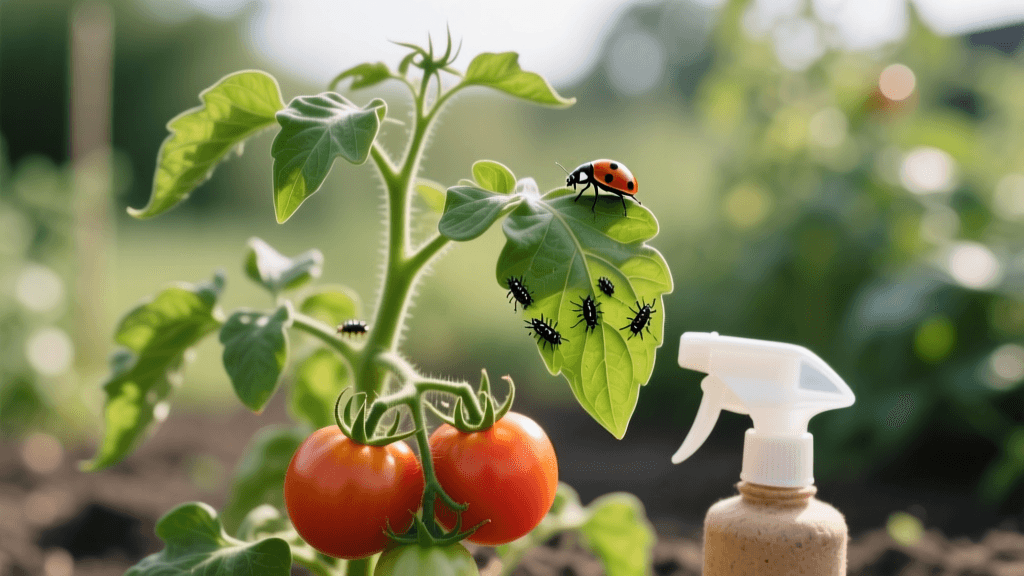
Natural Aphid Control for Tomatoes: A Beginner Guide
Introduction to Aphids on Tomato Plants
Growing your first tomato crop is a rewarding milestone for any beginner gardener. However, few things are more discouraging than watching your lush, green tomato vines suddenly wilt, curl, and become coated in a sticky residue. The culprit? Aphids. These tiny, sap-sucking insects are the most common pest encountered by novice vegetable growers. Fortunately, managing aphids does not require a degree in entomology or a cabinet full of harsh synthetic chemicals. By adopting an Integrated Pest Management (IPM) approach, you can protect your harvest using safe, natural, and highly effective methods.
In this beginner-friendly guide, we will walk you through exactly how to identify, prevent, and treat aphid infestations on your tomato plants. We will cover everything from cultural prevention strategies and beneficial insects to precise DIY organic spray recipes, complete with measurements, timing, and cost estimates.
How to Identify Aphids and Their Damage
Aphids are soft-bodied, pear-shaped insects that typically measure less than a quarter-inch long. On tomatoes, you will most commonly encounter the potato aphid (Macrosiphum euphorbiae), which can be green or pink, and the green peach aphid (Myzus persicae). They congregate in dense colonies on the undersides of leaves, along tender new stems, and near flower buds.
Because they reproduce rapidly—a single female can give birth to dozens of live young per week without mating—an infestation can explode seemingly overnight. Here are the primary signs that aphids have invaded your tomato garden:
- Curled or Distorted Leaves: Aphids inject saliva into plant tissue while feeding, causing leaves to pucker, yellow, and curl downward.
- Sticky Honeydew: As they consume plant sap, aphids excrete a sugary, sticky waste called honeydew. If your tomato leaves feel tacky, aphids are likely present.
- Sooty Mold: Honeydew attracts a harmless but problematic black fungus called sooty mold. While the mold does not infect the plant, it coats the leaves and blocks sunlight, severely reducing photosynthesis.
- Ant Activity: Ants actively 'farm' aphids for their honeydew. If you see a trail of ants marching up your tomato stems, inspect the upper canopy immediately.
Step 1: Cultural Prevention Strategies
The cornerstone of any beginner-friendly IPM program is prevention. Creating an environment where aphids struggle to thrive is far easier than eradicating an established colony.
Mind Your Nitrogen Levels
Aphids are highly attracted to the lush, tender new growth stimulated by high-nitrogen fertilizers. Many beginners make the mistake of over-fertilizing tomatoes with synthetic, high-nitrogen blends (like a 20-10-10 NPK ratio). Instead, use a balanced, slow-release organic fertilizer, such as Espoma Tomato-tone (3-4-6 NPK). Apply it at a rate of 3 tablespoons per plant at the time of transplanting, and side-dress every two weeks during the growing season. This promotes steady, resilient growth rather than the sappy, aphid-magnet shoots.
Strategic Companion Planting
You can use companion planting to repel aphids or draw them away from your tomatoes. Plant pungent alliums, such as garlic and chives, around the base of your tomatoes to act as a natural olfactory repellent. Alternatively, use a 'trap crop' strategy. Plant nasturtiums about 10 to 15 feet away from your tomato patch. Aphids strongly prefer nasturtiums and will often colonize them instead of your food crops. Once the nasturtiums are heavily infested, you can simply pull them up and compost them in a sealed bin.
Step 2: Mechanical and Biological Controls
If prevention fails and you spot a small colony, do not reach for the chemicals immediately. Start with physical and biological interventions.
The Water Blast Method
For minor, localized infestations, a strong jet of water from your garden hose is often enough to knock aphids off the plant. Because aphids are weak fliers and poor climbers, most dislodged insects will not be able to return to the canopy before they die of starvation or are eaten by ground predators. Aim the nozzle at the undersides of the leaves early in the morning so the foliage has time to dry in the sun, reducing the risk of fungal diseases like early blight.
Releasing Beneficial Insects
Nature has its own pest control workforce. Ladybugs (Hippodamia convergens) and green lacewings are voracious aphid predators. You can purchase live ladybugs from garden centers or online suppliers for approximately $15 to $25 per 1,500 insects. To ensure they stay in your garden, release them at dusk after watering the soil. Mist the tomato plants lightly; the ladybugs will drink the water droplets and settle in for the night rather than flying away immediately. According to the University of Minnesota Extension, encouraging native predator populations by avoiding broad-spectrum pesticides is one of the most effective long-term aphid management strategies.
Step 3: Organic Sprays and Treatments
When mechanical and biological controls are not enough to curb a severe infestation, it is time to apply organic contact sprays. These products must directly touch the soft bodies of the aphids to be effective, as they leave no toxic residue behind once dry.
Insecticidal Soap
Insecticidal soaps contain potassium salts of fatty acids that break down the protective waxy cuticle of the aphid, causing rapid dehydration. You can buy ready-to-use commercial brands like Safer Brand Insect Killing Soap for about $8 per 32-ounce spray bottle. Alternatively, you can mix your own using pure, additive-free liquid castile soap (such as Dr. Bronner's Peppermint). Mix 2.5 tablespoons of castile soap into one gallon of soft water. Spray thoroughly on the undersides of the leaves every 4 to 7 days until the population is controlled.
Neem Oil
Neem oil, derived from the seeds of the neem tree, acts as both a contact insecticide and a growth regulator, disrupting the aphid's life cycle. Mix 1 ounce of cold-pressed neem oil concentrate (like Bonide Neem Oil) and 1 teaspoon of mild liquid soap (as an emulsifier) into one gallon of water.
Important Timing Note: Never apply neem oil or insecticidal soap when temperatures exceed 85°F or in direct, harsh sunlight, as this will cause severe phytotoxicity (leaf burn). Always spray at dusk.
Organic Treatment Comparison Chart
Below is a quick-reference table to help beginners choose the right organic treatment based on their specific garden needs and budget.
| Treatment Type | Estimated Cost | Application Frequency | Pros & Cons |
|---|---|---|---|
| Water Blast | Free | Daily as needed | Pro: Zero cost, no chemicals. Con: Only works for light, accessible infestations. |
| Insecticidal Soap | $8 - $15 | Every 4-7 days | Pro: Fast knockdown, safe for pollinators once dry. Con: Requires direct contact; no residual effect. |
| Neem Oil | $12 - $20 | Every 7-14 days | Pro: Disrupts reproduction, mild fungicide. Con: Strong odor, can harm beneficials if sprayed directly on them. |
| Live Ladybugs | $15 - $25 | One or two releases | Pro: Self-sustaining, highly effective. Con: Insects may fly away to neighboring yards. |
For a comprehensive overview of how these contact sprays interact with plant tissues, the Colorado State University Extension provides excellent guidelines on maximizing the efficacy of insecticidal soaps without damaging sensitive vegetable foliage.
A Beginner's Step-by-Step Action Plan
To summarize, here is your weekly IPM checklist for maintaining aphid-free tomatoes:
- Inspect Weekly: Check the undersides of the top 6 inches of your tomato plants and any new flower clusters every Saturday morning.
- Prune and Destroy: If you find a single, heavily infested leaf, snip it off with sterilized pruners and drop it into a bucket of soapy water.
- Encourage Predators: Plant alyssum and dill nearby to attract native parasitic wasps and hoverflies, which are documented by the University of California Statewide IPM Program as crucial biological control agents for garden aphids.
- Rotate Sprays: If the population persists, alternate between insecticidal soap and neem oil every 5 days to prevent the aphids from adapting and to thoroughly disrupt their breeding cycle.
By following these beginner-friendly steps, you will keep your tomato plants healthy, vigorous, and capable of producing a bountiful, chemical-free harvest all summer long.