
Landscaping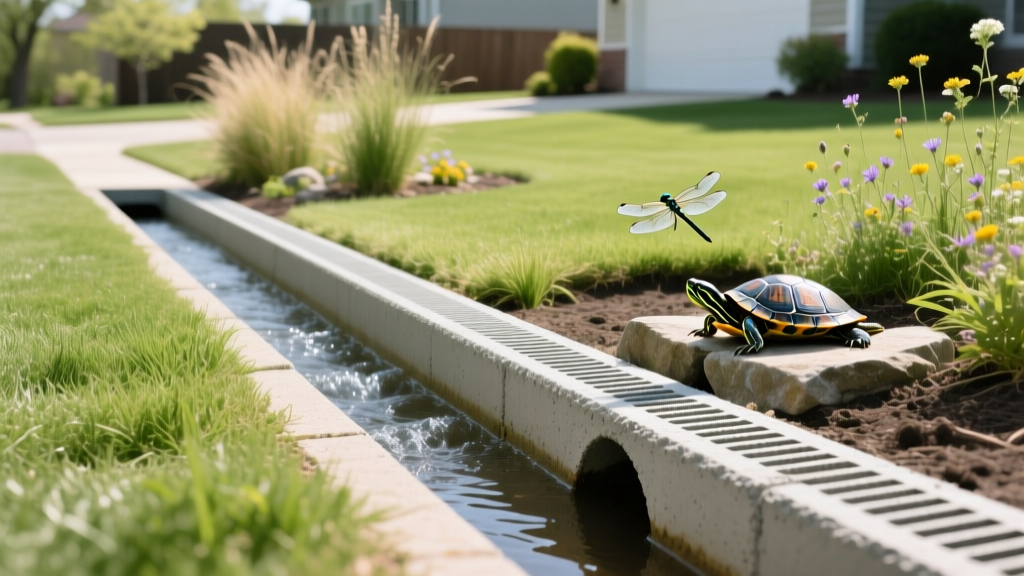
NDS Pro Series French Drain: Wildlife-Safe Yard Drainage 2026
Emily WatsonPublished
The Intersection of Yard Drainage and Wildlife Management in 2026
As landscaping trends in 2026 increasingly prioritize ecological harmony, homeowners are recognizing that effective water management is not just about protecting their foundations—it is about protecting local ecosystems. Poor yard drainage creates a cascade of environmental issues. Stagnant water breeds mosquitoes that transmit diseases to local bird and mammal populations, while uncontrolled surface runoff causes severe soil erosion that can collapse the burrows of essential ground-dwelling wildlife like rabbits, groundhogs, and native pollinators. To combat these issues, combining a surface-level NDS Pro Series channel drain with a subsurface French drain offers a premier solution. This hybrid system rapidly evacuates heavy stormwater while maintaining a safe, stable habitat for your local fauna.
Why the NDS Pro Series Channel Drain is Ideal for Animal-Safe Landscaping
The NDS Pro Series Channel Drain has become the gold standard for residential and light-commercial drainage in 2026. Unlike cheaper, flimsy PVC alternatives that degrade under UV exposure and shatter into sharp, dangerous plastic shards, the NDS Pro Series is constructed from high-density, UV-resistant polyethylene. This structural integrity ensures that foraging animals and nesting birds are never exposed to hazardous debris.
Furthermore, the modular design of the NDS Pro Series allows you to select specific grate patterns. For wildlife management, selecting the right grate is critical. While standard square-pattern grates can trap the delicate limbs of amphibians like frogs and toads, the NDS Pro Series offers specialized slot-pattern grates. These grates provide excellent water flow capacity while keeping the openings narrow enough to prevent small wildlife from becoming entrapped. By pairing this surface channel with a subsurface French drain, you eliminate the pooling water that attracts unwanted pests while ensuring that beneficial wildlife can safely traverse your yard.
Step-by-Step Installation: French Drain Meets Channel Drain
Installing this hybrid system requires careful planning to ensure both hydraulic efficiency and ecological safety. According to EPA's Green Infrastructure guidelines, managing stormwater at the source through permeable and directed drainage systems is vital for protecting local watersheds and the wildlife that depend on them.
Step 1: Site Assessment and Wildlife Mapping
Before breaking ground, survey your yard for active wildlife corridors and burrows. Mark any areas where ground-nesting birds or small mammals are active. Your trench should be routed to bypass these zones, directing water away from their habitats rather than cutting directly through them. The goal is to stabilize the soil around their dens, preventing the washouts that occur during heavy 2026 spring downpours.
Step 2: Trenching and Sloping
Dig a trench for the NDS Pro Series channel drain along the edge of your patio, driveway, or problem low-spot. The trench should be approximately 8 inches wide and deep enough to accommodate the channel plus a 2-inch base of compacted sand or gravel. Crucially, you must establish a slope of at least 1/8 inch per foot to ensure gravity moves the water efficiently. This prevents water from lingering in the channel, which could otherwise become a temporary drinking trap for small animals during freezing winter months.
Step 3: Laying the NDS Pro Series Channel
Place a 2-inch layer of compacted paver base or sand at the bottom of the trench. Snap the NDS Pro Series 5-inch channel sections together. The interlocking joints are designed to prevent soil infiltration, which keeps the surrounding earth stable for burrowing animals. Secure the channel in place, ensuring the top of the grate sits flush with or slightly below the surrounding grade so that surface water flows in naturally without creating a tripping hazard for larger wildlife like deer.
Step 4: Connecting to the French Drain System
At the lowest point of your channel drain, attach an NDS Pro Series outlet fitting. This will transition the water from the surface channel into your subsurface French drain. Dig a secondary trench sloping away from your property and toward a safe discharge area, such as a rain garden or a municipal storm drain. Line this trench with non-woven geotextile fabric, add a layer of washed drainage gravel, and lay a 4-inch perforated corrugated pipe. Wrap the fabric over the top of the pipe and cover it with more gravel before backfilling with topsoil. This subsurface system moves water invisibly, keeping the surface dry and safe for animal traffic.
2026 Material and Cost Breakdown
Budgeting for a wildlife-safe drainage project requires an understanding of current material costs. The table below outlines the estimated 2026 pricing for a standard 20-foot hybrid installation.
| Material | Estimated 2026 Cost | Wildlife & Ecological Benefit |
|---|---|---|
| NDS Pro Series 5-inch Channel Kit (4-ft sections) | $85 - $110 per section | UV-resistant; prevents brittle plastic shards from harming foraging animals. |
| NDS Pro Series Slot-Pattern Grates | $25 - $35 per grate | Narrow slots prevent amphibian and small mammal limb entrapment. |
| 4-inch Perforated Corrugated Pipe (100 ft) | $45 - $60 | Subsurface water movement prevents topsoil erosion and burrow collapse. |
| Non-Woven Geotextile Fabric (300 sq ft) | $50 - $75 | Prevents soil clogging; maintains long-term drainage without toxic chemical soil treatments. |
| Washed Drainage Gravel (1 ton) | $40 - $60 | Provides stable subsurface foundation; prevents muddy, disease-breeding surface puddles. |
Preventing Stagnant Water and Vector-Borne Diseases
One of the most critical aspects of wildlife management is disease control. Stagnant puddles are prime breeding grounds for mosquitoes, which carry West Nile Virus and Eastern Equine Encephalitis—pathogens that devastate local bird populations and pose risks to domestic pets. By rapidly capturing surface runoff with the NDS Pro Series channel and immediately routing it through the French drain, you eliminate the standing water required for mosquito larvae to develop. The National Wildlife Federation's Garden for Wildlife program heavily advocates for eliminating standing water to ensure that backyard habitats remain safe sanctuaries rather than vector-breeding zones.
Protecting Burrowing Animals and Preventing Soil Erosion
Heavy rainfall can cause catastrophic topsoil erosion, washing away the structural integrity of the earth surrounding animal dens. When a rabbit or groundhog burrow collapses due to waterlogged, shifting soil, the animals are left exposed to predators and harsh weather. The French drain component of this system acts as a subterranean relief valve. By intercepting the water table and lateral subsurface flow, the perforated pipe keeps the surrounding soil firm and stable. This allows burrowing wildlife to maintain their habitats safely, contributing to a balanced yard ecosystem as noted by experts at the University of Minnesota Extension on yard wildlife.
Long-Term Maintenance for a Thriving Ecosystem
To ensure your drainage system continues to protect your yard and its inhabitants, routine maintenance is required. In the autumn, clear the NDS Pro Series grates of fallen leaves and twigs. Avoid using chemical leaf-dissolving agents or harsh bleach solutions to clean the grates, as these toxins can wash into the French drain and leach into the surrounding soil, harming earthworms and beneficial soil microbes. Instead, use a stiff bristle brush and plain water. Annually inspect the French drain discharge point to ensure that the exiting water is not creating new erosion gullies in adjacent natural areas; if necessary, place river rocks at the outflow to dissipate the water's energy gently.
"A well-designed landscape does not fight nature; it collaborates with it. Proper drainage is the invisible foundation of a thriving, wildlife-friendly yard."
By investing in the NDS Pro Series channel drain and a properly constructed French drain, you are doing more than just keeping your patio dry. You are actively participating in modern, responsible land stewardship, ensuring that your outdoor space remains a safe, stable, and healthy environment for both your family and the local wildlife throughout 2026 and beyond.

