
Landscaping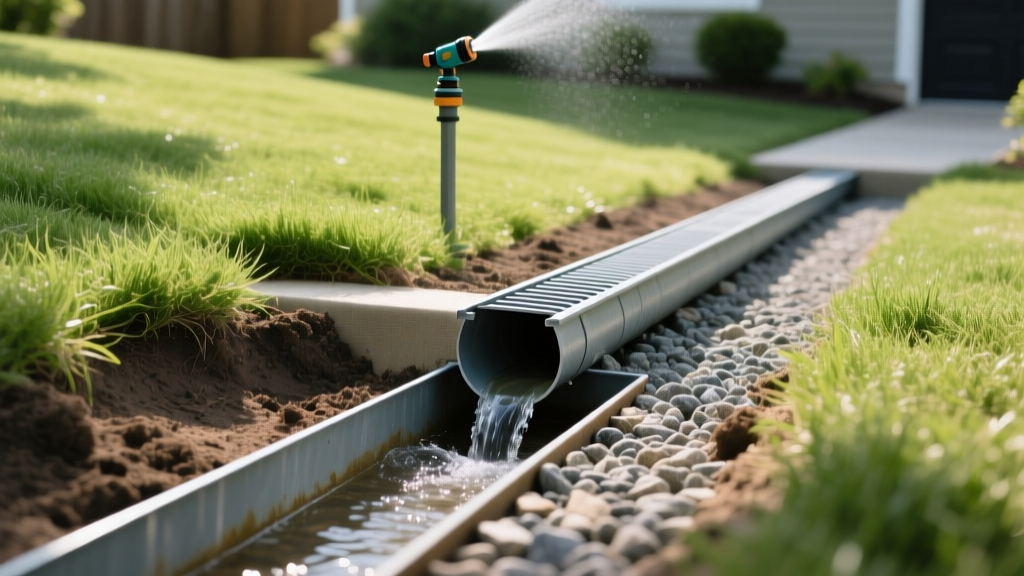
French Drain & NDS Pro Series Channel Install Guide 2026
Sarah ChenPublished
The Critical Link Between Irrigation and Drainage in 2026
As landscape architecture and water management technologies evolve in 2026, the synergy between your sprinkler system and your yard's drainage infrastructure has never been more vital. Modern irrigation systems are designed for maximum efficiency, delivering precise amounts of water to your turf and garden beds. However, even the most advanced smart sprinkler controllers cannot compensate for poor landscape grading and inadequate surface drainage. When heavy rainfall or excessive irrigation runoff pools on hardscapes and saturates the soil, it leads to destroyed turf, eroded garden beds, and catastrophic damage to subsurface irrigation valves and piping.
To solve this, landscaping professionals are increasingly turning to a hybrid drainage approach: combining the surface-level water capture of the NDS Pro Series channel drain with the subsurface water management of a French drain system. This comprehensive guide will walk you through the exact steps to design, install, and integrate this dual-drainage system to protect your irrigation infrastructure and maintain a pristine landscape in 2026.
Why Combine the NDS Pro Series Channel with a French Drain?
Surface water and subsurface water behave differently, and treating them as a single problem is a common mistake that leads to irrigation system failures. The Irrigation Association consistently highlights that managing hydrostatic pressure and surface runoff is critical to preventing pipe bursts and valve box flooding.
Surface vs. Subsurface Water Management
The NDS Pro Series channel drain is engineered to intercept high-volume surface water before it can flood your lawn. Driveways, patios, and walkways act as massive catchment areas during storms. By installing the Pro Series channel at the edge of these hardscapes, you capture the rapid sheet flow of water. However, channel drains alone cannot solve the issue of waterlogged soil caused by overwatering or high water tables. This is where the French drain comes in. By tying the channel drain's output into a subsurface French drain network, you create a unified exit route for both surface runoff and excess groundwater, keeping your sprinkler valve boxes dry and your root zones properly aerated.
Protecting Your Irrigation Infrastructure
In 2026, the average cost to replace a smart irrigation valve manifold and associated wiring exceeds $400. When valve boxes sit in standing water, the solenoids fail, the wiring corrodes, and the backflow preventers can become compromised. A properly graded French drain system surrounding your irrigation zones ensures that excess water is wicked away from the pipes, extending the lifespan of your entire sprinkler network.
2026 Material Guide and Cost Breakdown
Before breaking ground, you must gather the correct materials. The NDS Pro Series is constructed from UV-resistant polypropylene and features a Class C load rating, making it ideal for pedestrian traffic and light vehicular edges. Below is a breakdown of the essential components and their estimated 2026 retail costs.
| Material | 2026 Estimated Cost | Purpose in the System |
|---|---|---|
| NDS Pro Series 5-inch Channel Drain (1m Kit) | $85 - $115 | Captures rapid surface runoff from hardscapes and patios. |
| NDS EZ-Drain Gravel-Free Pipe (10 ft) | $45 - $60 | Subsurface French drain core; replaces heavy gravel. |
| NDS 9x9 Catch Basin with Grate | $35 - $45 | Acts as the junction point tying surface to subsurface. |
| PVC Fittings and Solvent Cement | $40 - $55 | Connects channel drain outlets to the main drain line. |
| Non-Woven Geotextile Fabric (50 sq ft) | $30 - $40 | Prevents soil infiltration into the French drain pipe. |
| Quick-Setting Concrete Mix (80 lb bags) | $8 - $12 per bag | Secures the NDS Pro Series channel flanges in place. |
Step-by-Step Installation Guide
Integrating these systems requires careful planning, precise trenching, and an understanding of your existing sprinkler layout. Follow these steps to ensure a flawless installation.
Step 1: Site Assessment and Utility Mapping
Always call your local utility locating service (such as 811 in the United States) before digging. Once utilities are marked, map out your existing irrigation zones. You must ensure that your new drainage trench will not intersect with shallow sprinkler supply lines or low-voltage controller wiring. Plan your drainage route to follow a natural slope, maintaining a minimum grade of 1 percent (a 1/8-inch drop per linear foot) to ensure gravity moves the water efficiently toward your designated discharge point or dry well.
Step 2: Trenching for the Subsurface French Drain
Dig a trench for your French drain that is approximately 12 to 18 inches wide and 18 to 24 inches deep, depending on your frost line and soil composition. Line the trench with the non-woven geotextile fabric, leaving enough excess on the sides to wrap over the top of the pipe later. Lay the NDS EZ-Drain gravel-free pipe in the center of the trench. The EZ-Drain system uses lightweight polystyrene aggregate encased in fabric, eliminating the need to haul and shovel heavy crushed stone, which is a massive advantage for DIY landscapers in 2026.
Step 3: Installing the NDS Pro Series Channel Drain
At the edge of your patio or driveway, excavate a channel wide enough to accommodate the Pro Series drain plus a 3-inch margin on each side for concrete. The NDS Pro Series features built-in bottom flanges and a unique profile designed specifically for easy concrete pouring. Create a compacted base of 3/4-inch crushed gravel, then set the channel drain sections. Ensure the channel follows the same 1/8-inch per foot slope. Pour quick-setting concrete around the flanges, being incredibly careful not to let any concrete spill into the drain channel itself. Use the manufacturer's protective cap to shield the grate during the curing process.
Step 4: Tying the Systems Together
This is the most critical step for irrigation protection. You must connect the surface channel drain to the subsurface French drain without allowing debris to clog the system. Install an NDS 9x9 catch basin at the lowest point of your channel drain run. Connect the outlet of the channel drain to the catch basin using 4-inch PVC pipe. From the bottom or side outlet of the catch basin, run a solid PVC pipe that ties directly into your French drain trench. The catch basin acts as a silt trap; debris washes into the basin where it can be easily cleaned out, while the water flows into the subterranean French drain to be dispersed safely away from your sprinkler zones.
Step 5: Protecting Irrigation Valve Boxes
If your sprinkler valve boxes are located in low-lying areas, use the French drain system to create a dry perimeter around them. Excavate a small spur trench leading away from the bottom of the valve box and connect it to your main EZ-Drain line. Fill the bottom of the valve box with 2 inches of pea gravel to promote immediate downward percolation, ensuring your solenoids and wire nuts remain completely dry during heavy 2026 spring storms.
Integrating Smart Irrigation Controllers with Drainage
According to the EPA WaterSense program, combining efficient drainage with smart irrigation technology is the gold standard for sustainable landscaping. In 2026, top-tier smart controllers like the Rachio 4 and Hunter Hydrawise feature advanced soil moisture sensor integration. If your French drain system is rapidly moving water away from the soil, the soil moisture sensors will accurately reflect the drying root zone, allowing the smart controller to water precisely when needed without triggering the flood sensors. Conversely, if a massive storm overwhelms the channel drain and the soil remains saturated, the smart controller will automatically skip the scheduled irrigation cycle, preventing the exact type of waterlogging that destroys turf and irrigation pipes.
Adjusting Sprinkler Head Placement Near Drains
When installing channel drains, you must audit your existing sprinkler head placement. Rotor and spray heads should never be positioned to shoot water directly into the channel drain grate. This defeats the purpose of the irrigation system and wastes treated water. In 2026, utilize pressure-regulating spray bodies (PRS) with check valves near drainage grates. The check valves prevent low-head drainage—a common issue where water in the lateral pipes leaks out of the lowest sprinkler heads and floods the channel drain after the system shuts off. Adjust your nozzle arcs so that water is directed inward toward the lawn, allowing the soil to absorb the moisture naturally.
Long-Term Maintenance for Your Hybrid System
To keep your NDS Pro Series and French drain system functioning perfectly alongside your irrigation network, establish a bi-annual maintenance routine. In the spring and fall, remove the Pro Series grates and flush the channel with a high-pressure hose to clear out silt, pine needles, and seed pods. Inspect the 9x9 catch basin silt trap and scoop out any accumulated debris. For the subsurface French drain, ensure that the discharge point (whether a pop-up emitter or a daylighted pipe) is free of vegetation and rodent nests. By maintaining this hybrid drainage system, you guarantee that your 2026 sprinkler system operates in a stable, well-drained environment, saving you thousands of dollars in potential water damage and landscape restoration.

