
Landscaping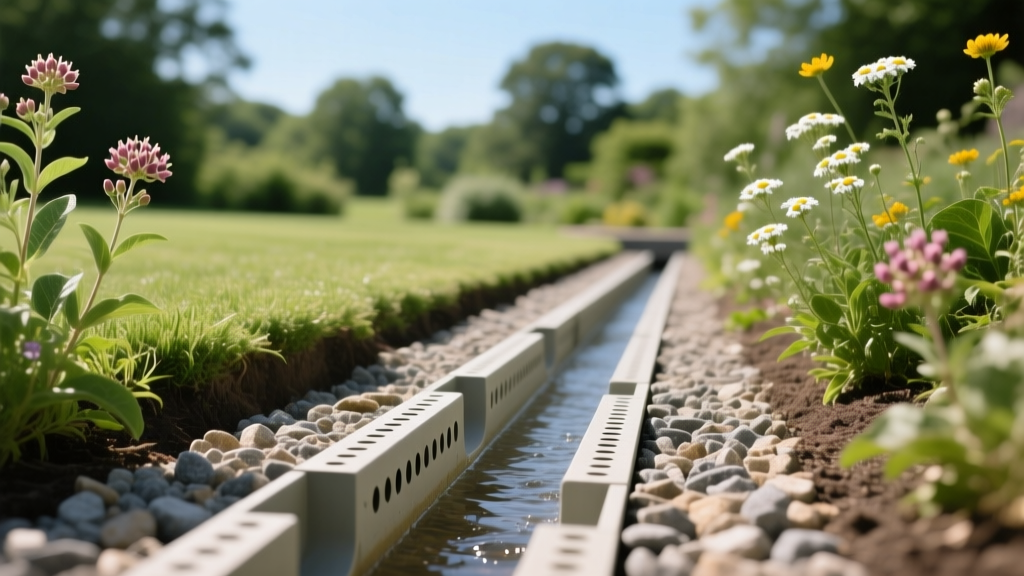
NDS Pro Series French Drain 2026: Enhance Bio-Control
Sarah ChenPublished
The Intersection of Hardscaping and Bio-Control
When homeowners and landscape architects think of drainage solutions, they rarely consider the profound impact these systems have on the local ecosystem. In 2026, sustainable landscaping has moved beyond simply planting native species; it now encompasses the careful management of subsurface and surface water to protect the delicate balance of soil microbiomes and beneficial insect populations. Poor drainage leads to waterlogged soil, which not only suffocates plant roots but also creates an environment hostile to essential bio-control agents like predatory ground beetles, beneficial nematodes, and parasitic wasps.
Conversely, standing water is a primary breeding ground for pests. According to the Environmental Protection Agency (EPA), even small amounts of stagnant water from poor yard grading or inadequate hardscape runoff can produce thousands of mosquitoes, disrupting the local food web and forcing homeowners to resort to broad-spectrum chemical pesticides. These chemicals, in turn, decimate the very beneficial insects required for natural pest management. By installing a hybrid surface and subsurface drainage system—specifically utilizing the NDS Pro Series channel drain tied into a traditional French drain—you can eliminate standing water, balance soil moisture, and actively foster habitats for natural bio-control agents.
Why the NDS Pro Series Channel Drain is the 2026 Standard
The NDS Pro Series channel drain has long been a staple in residential and commercial hardscaping, but the 2026 models have set a new benchmark for eco-conscious landscaping. Manufactured from high-density, UV-stabilized recycled polyethylene, the Pro Series is designed to handle heavy surface runoff from patios, driveways, and garden pathways before it can saturate adjacent planting beds.
Unlike standard trench drains that merely move water from point A to point B, the Pro Series features a modular design that integrates seamlessly with subsurface French drain networks. The ADA-compliant grates prevent larger debris from entering the system, while the deep channel bodies allow for a smooth transition into perforated corrugated pipes. For the bio-control enthusiast, this means surface water is rapidly evacuated away from the topsoil, preventing the anaerobic conditions that drown beneficial soil-dwelling predators and microbes.
Step-by-Step Installation for Bio-Control Optimization
Installing a combined NDS Pro Series channel and French drain system requires precision. The goal is to manage water volume while preserving the structural integrity of the surrounding soil where beneficial insects overwinter and hunt. In 2026, the average cost for professional installation ranges from $18 to $28 per linear foot, but DIY installation is highly feasible with the right planning.
1. Planning the Route and Protecting Overwintering Zones
Before digging, map out the natural water flow of your yard. Identify areas where water pools after heavy rains. Crucially, you must also identify existing "beetle banks" or undisturbed native bunchgrass areas where predatory insects overwinter. Route your drain trench at least 18 to 24 inches away from these critical bio-control habitats to avoid destroying their subterranean burrows during excavation.
2. Trenching and Grading
Dig a trench that is 12 to 18 inches wide and deep enough to accommodate the NDS Pro Series channel at the surface catchment point, transitioning into a deeper trench (at least 18 to 24 inches deep) for the French drain portion. Maintain a strict slope of 1/8 inch per foot to ensure gravity moves the water efficiently. A poorly sloped drain will hold water inside the pipe, creating a hidden breeding ground for pests and failing to lower the water table in your garden beds.
3. Laying the Base and Channel Integration
For the French drain section, lay down a 2-inch base of washed, angular gravel (avoid round river rock, as it does not lock together and can shift, crushing the pipe). Place a 4-inch perforated corrugated pipe on the gravel bed, holes facing down. Where the surface runoff is heaviest, install the NDS Pro Series channel drain. Connect the bottom outlet of the NDS channel directly to a solid PVC pipe that feeds into the perforated French drain pipe further down the line. This prevents the immediate influx of surface debris from clogging the subsurface gravel bed.
4. Wrapping and Backfilling with Eco-Friendly Aggregate
Wrap the gravel and perforated pipe in a high-quality, non-woven geotextile landscape fabric. This prevents fine soil particles from migrating into the gravel and clogging the system over time. When backfilling the trench, use a mix of coarse sand and native topsoil. This specific backfill mixture promotes rapid drainage while remaining porous enough for ground-dwelling beneficial insects, such as Carabid beetles, to navigate the soil profile in search of slugs and cutworms.
Designing "Beetle Banks" Along Your Drainage Line
One of the most innovative landscaping trends of 2026 is the integration of drainage infrastructure with beneficial insect habitats. The soil excavated from your French drain trench can be repurposed to build a "beetle bank" parallel to the drainage line. The Xerces Society for Invertebrate Conservation heavily promotes beetle banks as raised, grassy berms that provide essential overwintering refuge for predatory ground beetles, spiders, and parasitoids that naturally control agricultural and garden pests.
By placing a beetle bank on the "dry" side of your newly installed French drain, you create a synergistic effect. The French drain ensures the beetle bank never becomes waterlogged during heavy spring rains, maintaining the perfect moisture level for insect survival. In late summer, the deep-rooted native grasses planted on the bank will draw residual moisture from the surrounding soil, further assisting your drainage system through natural transpiration.
Beneficial Insects and Soil Moisture Requirements
Understanding the moisture preferences of your local bio-control agents is vital when designing your landscape grading and drainage plan. The table below outlines how proper drainage supports specific beneficial insects:
| Beneficial Insect | Role in Bio-Control | Ideal Soil Moisture & Drainage Need |
|---|---|---|
| Ground Beetles (Carabidae) | Predators of slugs, snails, and cutworms | Well-draining loam; requires dry overwintering berms |
| Beneficial Nematodes | Parasitize soil-dwelling grubs and flea larvae | Moist but not saturated; drowned by standing water |
| Predatory Mites | Control spider mites and thrips on foliage | Requires moderate ambient humidity; hates waterlogged root zones |
| Parasitic Wasps (Trichogramma) | Parasitize caterpillar eggs | Needs dry, undisturbed brush piles near well-drained beds |
Maintaining Your Eco-Friendly Drainage System
A French drain and NDS Pro Series channel system is relatively low maintenance, but preserving its ecological function requires mindful landscaping practices. First, never use broad-spectrum chemical pesticides or synthetic herbicides near your drainage catchment areas. When it rains, these chemicals will wash into the NDS channel, travel through the French drain, and leach into the surrounding soil, effectively sterilizing the habitat you worked so hard to optimize for beneficial insects.
Instead, rely on the bio-control agents your new drainage system supports. If surface debris accumulates on the NDS Pro Series grates, simply lift them out and flush the channel with a garden hose twice a year—once in early spring and once in late autumn. Inspect the French drain exit point to ensure rodents have not nested in the pipe outlet, which can block water flow and cause upstream saturation. By maintaining a free-flowing drainage system, you ensure that your garden beds remain structurally sound, your plants thrive without root rot, and your invisible army of beneficial insects has the perfect environment to protect your landscape naturally.

