
Landscaping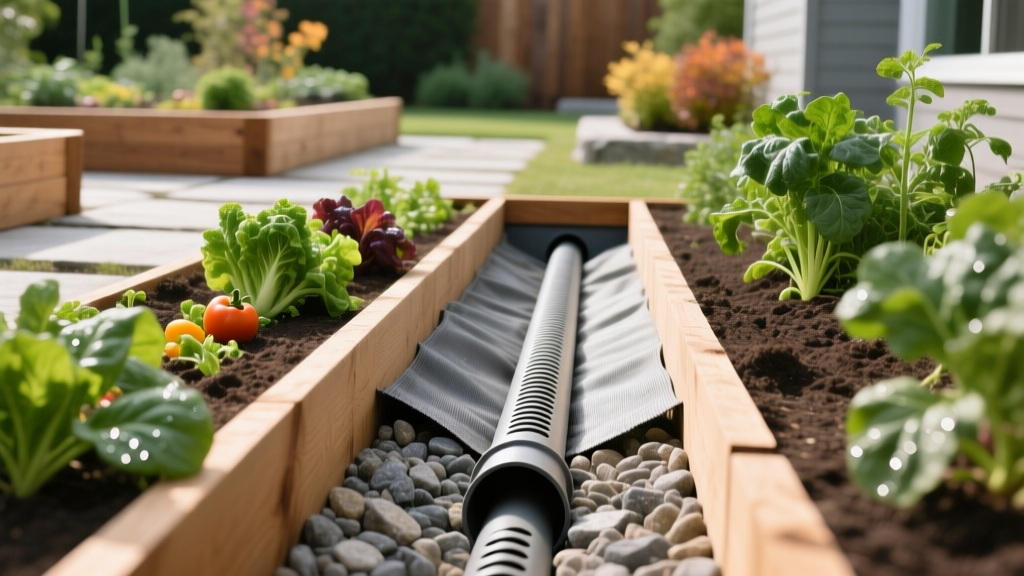
Install NDS Pro Series French Drains for Foodscaping 2026
Lisa ThompsonPublished
The Intersection of Drainage and Edible Landscaping in 2026
As foodscaping continues to dominate residential landscaping trends in 2026, homeowners are increasingly integrating fruit trees, berry bushes, and raised vegetable beds directly into their front and back yard aesthetics. However, the success of any edible landscape hinges on one critical, often overlooked factor: soil drainage. Unlike ornamental grasses or hardy shrubs, most edible crops—particularly tomatoes, peppers, brassicas, and root vegetables—are highly susceptible to root rot, fungal pathogens, and nutrient leaching caused by waterlogged soil. When heavy spring downpours or sudden summer deluges saturate your garden, standing water can destroy an entire season of organic crop yields in a matter of days.
To combat this, modern edible landscapers are turning to hybrid drainage solutions. By combining the surface-water capture of a channel drain with the subsurface dispersion of a French drain, you can protect your precious topsoil and maintain the perfect moisture balance for your crops. In this comprehensive guide, we will explore how to install an integrated French drain system utilizing the NDS Pro Series Channel Drain to safeguard your foodscaping investments, ensuring your edible garden thrives through every weather event in 2026.
The Threat of Waterlogging in Foodscaping Zones
Edible plants require a delicate balance of oxygen and moisture in the root zone. When soil pores fill entirely with water, oxygen is displaced, leading to anaerobic conditions. According to horticultural experts at the University of Minnesota Extension, prolonged saturation causes root hairs to die off, effectively starving the plant of the water and nutrients it desperately needs. In foodscaping, where soil health is paramount for producing nutrient-dense, organic harvests, poor drainage can also lead to the compaction of carefully amended loam and the destruction of beneficial mycorrhizal fungal networks.
Furthermore, surface runoff from roofs, driveways, and patios often carries pollutants, salts, and alkaline residues that can drastically alter the pH of your edible garden beds. Most vegetables prefer a slightly acidic to neutral pH (6.0 to 7.0). Uncontrolled runoff can push this pH out of balance, locking up vital micronutrients like iron and manganese. Installing a targeted drainage system intercepts this surface water before it breaches your raised beds or in-ground food forests, channeling it safely away from your harvest zones.
Why Choose the NDS Pro Series for Edible Landscapes?
The NDS Pro Series is a premium, heavy-duty modular channel drain system designed to handle high flow rates and significant load-bearing weight. While traditional French drains rely solely on gravel trenches to capture surface water, they can easily become clogged with organic debris, mulch, and fallen leaves common in lush foodscaping environments. The NDS Pro Series solves this by featuring a grated surface that catches large organic matter while allowing high volumes of water to enter the system.
For the edible landscaper, the Pro Series offers several distinct advantages in 2026:
- Modular Integration: The Pro Series channels easily connect to standard 4-inch PVC or corrugated French drain pipes, allowing you to transition seamlessly from surface capture to subsurface dispersion.
- Load-Bearing Grates: If your drain needs to cross a pathway where you frequently transport heavy wheelbarrows full of compost, soil, or harvested crops, the Pro Series grates are rated for pedestrian and light vehicular traffic.
- Debris Management: The integrated catch basins and grated covers prevent large pieces of mulch, fallen fruit, and autumn leaves from clogging the subterranean French drain pipe.
- Chemical Safety: Made from high-density, UV-stabilized polyethylene, the NDS components will not leach harmful chemicals or microplastics into your organic garden soil, maintaining the integrity of your edible landscape.
Materials and Tools Needed for Your 2026 Installation
Before breaking ground, gather the necessary materials. Sourcing high-quality, food-safe drainage components is vital for organic gardening.
- NDS Pro Series Channel Drain Kit: Includes 39-inch interlocking channels and heavy-duty grates.
- NDS Pro Series Catch Basin: For the terminal end or intersection points to trap sediment.
- 4-inch Perforated PVC Pipe: SDR 35 or Schedule 40 (preferred for longevity and root resistance).
- Washed River Rock (3/4-inch): Essential for the French drain base. Avoid recycled crushed concrete, as it can leach lime and raise soil pH, harming acid-loving edibles like blueberries.
- Non-Woven Geotextile Landscape Fabric: To wrap the gravel trench and prevent fine topsoil from migrating into the drain.
- PVC Primer and Cement: For secure, watertight pipe connections.
- Tools: Trenching shovel, mattock, line level, rubber mallet, hacksaw, and a tamper.
Step-by-Step Installation Guide
Step 1: Planning the Trench and Slope
Proper drainage relies entirely on gravity. Map out a route that intercepts water before it reaches your edible beds and directs it toward a safe discharge point, such as a municipal storm drain, a dry well, or a lower-elevation rain garden planted with moisture-loving native edibles like elderberry or highbush cranberry. The Environmental Protection Agency (EPA) highly recommends utilizing green infrastructure like rain gardens to manage runoff sustainably. Ensure your planned trench maintains a minimum slope of 1% (a 1-inch drop for every 8 feet of run) to guarantee steady water flow.
Step 2: Excavation and Base Preparation
Dig a trench approximately 12 to 18 inches wide and 18 to 24 inches deep, depending on your frost line and the volume of water you need to manage. For the section housing the NDS Pro Series channel, excavate a precise shelf so the top of the grate sits flush with or slightly below (1/8 inch) the surrounding hardscape or soil grade. Tamp the soil base firmly. Add a 2-inch layer of compacted base sand or fine gravel to create a level, stable foundation for the channel drain and the solid PVC pipe that will feed into the perforated French drain.
Step 3: Assembling the NDS Pro Series and French Drain Pipe
Begin by assembling the NDS Pro Series channel sections, snapping them together over the solid base. Connect the channel's bottom or side outlets to a solid 4-inch PVC pipe using PVC primer and cement. Run this solid pipe to the point where you want subsurface dispersion to begin. From that junction, transition to the 4-inch perforated PVC pipe. Always lay perforated pipe with the holes facing down; this allows water to rise from the saturated soil into the pipe while preventing sediment from falling directly through the top holes and causing clogs.
Step 4: Backfilling with Edible-Safe Gravel
Line the trench with non-woven geotextile fabric, leaving enough overhang on the sides to fold over the top of the gravel later. Pour a 3-inch base of washed 3/4-inch river rock beneath the perforated pipe. Lay the pipe, then cover it with more washed river rock until the gravel layer is about 2 inches below the final soil grade. Fold the excess landscape fabric over the gravel to create a 'burrito' effect. This barrier is crucial in foodscaping, as it prevents the rich, organic compost and fine loam of your garden beds from washing down and suffocating the drain system.
Step 5: Integrating with Raised Beds and Topsoil
Cap the wrapped French drain with a layer of coarse sand or native topsoil, and finish with your preferred edible landscaping mulch, such as arborist wood chips or straw. Ensure the NDS Pro Series grate is completely clear of mulch and soil. If the channel drain runs parallel to a raised cedar or corrugated metal garden bed, ensure the bed's weep holes or drainage gaps are directed toward the gravel trench, allowing the French drain to passively pull excess moisture away from the root zones of your deep-rooted crops like carrots and parsnips.
2026 Cost Breakdown and Material ROI
Investing in a premium drainage system protects the much higher financial and temporal investment of your edible landscape. Below is an estimated cost breakdown for a standard 20-foot hybrid NDS Pro Series and French drain installation in 2026.
| Material / Component | Quantity (for 20 ft) | Estimated 2026 Cost |
|---|---|---|
| NDS Pro Series Channel Kit (39-in sections) | 2 Kits (approx 10 ft) | $160.00 |
| NDS Pro Catch Basin & Grate | 1 Unit | $45.00 |
| 4-inch Solid PVC Pipe (10 ft) | 1 Length | $18.00 |
| 4-inch Perforated PVC (10 ft) | 1 Length | $22.00 |
| Washed River Rock (3/4 in) | 1 Cubic Yard | $65.00 |
| Non-Woven Geotextile Fabric | 1 Roll (50 sq ft) | $35.00 |
| PVC Fittings, Primer, and Cement | Assorted | $25.00 |
| Total Estimated Material Cost | $370.00 |
Note: Labor costs for professional installation typically range from $40 to $80 per linear foot in 2026, depending on soil composition and regional rates. DIY installation significantly improves the ROI for home foodscapers.
Maintaining Your Drainage System for Organic Crop Health
A drainage system in an edible landscape requires slightly different maintenance than one in a sterile ornamental yard. Because foodscaping involves regular tilling, amending, and heavy organic mulching, debris management is key. At the end of every harvest season, and after heavy autumn leaf falls, remove the NDS Pro Series grates and flush the channel with a garden hose. The integrated catch basin will have trapped fine silt and decaying organic matter; scoop this out and add it to your compost pile.
Additionally, monitor the discharge point of your French drain. If you are routing nutrient-rich runoff into a secondary rain garden, ensure that the receiving plants are not being overwhelmed by excess nitrogen or phosphorus from your compost-amended beds. Periodically check the perforated pipe via the catch basin for root intrusion. If you have planted aggressive, water-seeking edibles like mint, horseradish, or raspberries nearby, consider installing a physical root barrier between the plants and the drain trench to prevent roots from seeking out the moisture inside the perforated pipe.
Conclusion
Integrating an NDS Pro Series channel drain with a traditional French drain is one of the most effective, durable strategies for protecting edible landscapes in 2026. By capturing surface runoff before it erodes your carefully balanced soil ecology and dispersing subsurface water away from vulnerable root zones, you ensure that your foodscaping efforts yield abundant, healthy, and organic harvests for years to come. Proper drainage is not just infrastructure; it is the foundational bedrock of a thriving edible garden.

