Pest Control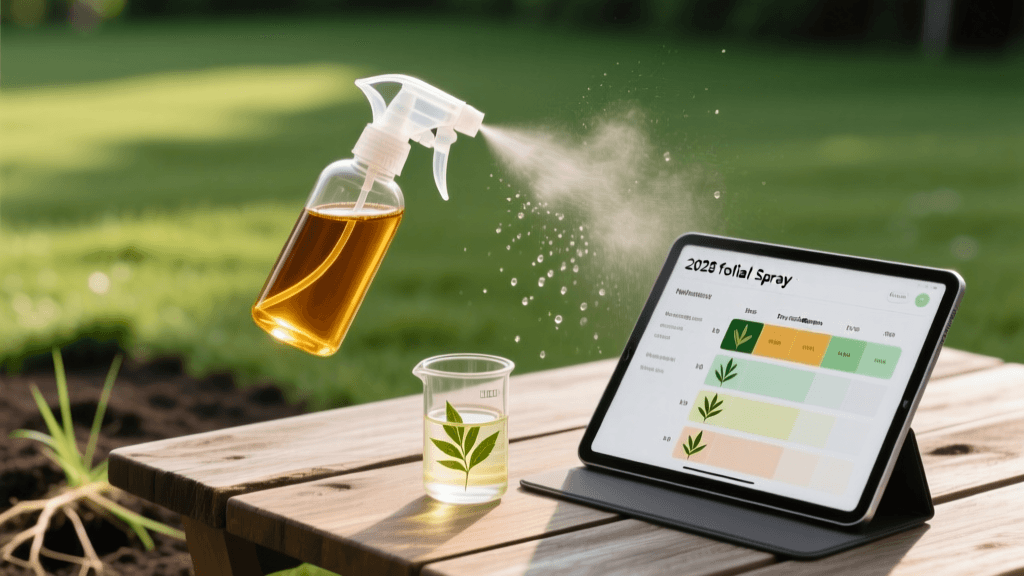
Neem Oil Mixing & Spray Schedule 2026: Post-Aeration IPM Guide
The 2026 IPM Shift: Why Core Aeration and Neem Oil Belong Together
As we navigate the 2026 landscaping season, Integrated Pest Management (IPM) has evolved beyond simply reacting to visible foliage damage. Modern lawn care professionals and dedicated homeowners now recognize that pest control begins beneath the soil surface. Two of the most powerful tools in the organic pest control arsenal—core aeration and cold-pressed neem oil concentrate—are rarely discussed together. However, when combined strategically, they create an impenetrable defense system against both soil-dwelling and foliage-feeding pests.
Neem oil, derived from the seeds of the Azadirachta indica tree, contains azadirachtin, a potent compound that disrupts the life cycle of pests at every stage. But applying neem oil to a stressed, compacted lawn yields subpar results. This is where core aeration becomes your secret weapon. By relieving soil compaction and removing thatch, aeration not only revitalizes root systems but also creates direct channels for targeted pest control. In this comprehensive 2026 guide, we will break down the exact neem oil concentrate mixing ratios, the optimal foliar spray schedule, and how to leverage your annual core aeration to maximize pest eradication.
Understanding Core Aeration as a Pest Management Tool
Before mixing your first batch of neem oil, it is vital to understand the mechanics of core aeration. According to the University of Minnesota Extension on core aeration, the process of pulling physical plugs of soil from the lawn alleviates compaction, reduces water runoff, and breaks down the thatch layer. From a pest management perspective, thatch is a breeding ground for chinch bugs, sod webworms, and fungal diseases that weaken grass and attract secondary pests.
When your lawn's roots are suffocating in compacted soil, the grass becomes stressed. Stressed plants emit specific volatile organic compounds (VOCs) that actually attract sap-sucking insects like aphids and spider mites. By aerating, you restore vigorous growth, making the turf naturally less appealing to invaders. Furthermore, the thousands of micro-tunnels left behind by the aeration tines serve as the perfect delivery system for a neem oil soil drench, allowing the active ingredients to reach the root zone where grubs and fungus gnat larvae reside.
2026 Neem Oil Concentrate Mixing Ratios
In 2026, the market is flooded with various neem products, but pure, cold-pressed neem oil concentrate remains the gold standard for IPM. Unlike clarified hydrophobic extracts (which primarily act as suffocating oils), cold-pressed oil retains high levels of azadirachtin for systemic insect growth regulation. Because oil and water do not mix, you must use an emulsifier. While mild liquid castile soap was the standard for years, modern 2026 formulations often utilize silica-based or saponin-based agricultural emulsifiers to prevent leaf burn and ensure even coating.
Below is the definitive mixing chart for 100% cold-pressed neem oil concentrate, calibrated for different stages of your aeration and pest control cycle.
| Application Type | Concentration | Neem Oil (per Gallon) | Emulsifier | Target Pests |
|---|---|---|---|---|
| Preventative Foliar Spray | 0.5% | 1 Tablespoon | 1 tsp Castile Soap | Aphids, Spider Mites, Whiteflies |
| Active Infestation Foliar | 1.0% | 2 Tablespoons | 2 tsp Castile Soap | Scale, Japanese Beetles, Thrips |
| Post-Aeration Soil Drench | 2.0% | 4 Tablespoons | 1 tbsp Silica Emulsifier | White Grubs, Fungus Gnats, Nematodes |
| Dormant Season Spray | 3.0% | 6 Tablespoons | 2 tbsp Agricultural Oil | Overwintering Eggs, Fungal Spores |
Pro-Tip: Always mix the emulsifier into warm water first, stir vigorously, and then add the neem oil concentrate last. This ensures a stable emulsion that will not clog your sprayer nozzle.
The Post-Aeration Neem Oil Application Schedule
Timing is everything. Applying foliar sprays on the exact day you aerate can stress the turf, as the grass blades are already dealing with the physical disruption of the aeration tines and the presence of soil cores on the surface. Follow this step-by-step schedule to harmonize your cultural and chemical controls.
Phase 1: Pre-Aeration Foliar Prep (Days 1-3)
Three days before your scheduled core aeration, apply the Preventative Foliar Spray (0.5% ratio). This clears any existing surface-dwelling pests and ensures that the foliage is healthy and primed for the stress of aeration. Spray in the late evening to avoid UV degradation of the azadirachtin and to protect daytime pollinators.
Phase 2: Core Aeration Day (Day 4)
Run your core aerator over the lawn, making two passes in perpendicular directions for maximum plug extraction. Leave the soil cores on the lawn to break down naturally; they contain beneficial microbes that will help break down thatch. Do not apply any pesticides or fertilizers on this day. Water the lawn deeply to help the soil settle and to prepare the root zone for the upcoming drench.
Phase 3: The Post-Aeration Soil Drench (Day 5)
This is where the magic happens. Mix the Post-Aeration Soil Drench (2.0% ratio). Using a hose-end sprayer or a watering can, apply the solution evenly across the lawn. The aeration holes will act as funnels, drawing the azadirachtin deep into the soil profile. This targets the larvae of June bugs, Japanese beetles, and European chafers before they can mature and feed on your grass roots. As noted by the EPA's guide on botanical pesticides, neem oil breaks down rapidly in soil, making it an incredibly safe choice for groundwater protection while remaining lethal to target soil pests.
Phase 4: Ongoing Foliar Maintenance (Days 6-30)
Once the turf has recovered from aeration and the soil drench has been watered in, transition to a regular foliar spray schedule to protect the new, vigorous growth.
- Week 2 (Day 12): Apply the 0.5% Preventative Foliar Spray. Focus on the undersides of broadleaf weeds and ornamental borders where pests hide.
- Week 4 (Day 26): Apply the 0.5% Preventative Foliar Spray. If you spot active damage (e.g., stippling on leaves or sticky honeydew), upgrade to the 1.0% Active Infestation ratio for that specific zone.
- Monthly Maintenance: Continue the 0.5% foliar spray once every 14 to 21 days during the peak summer heat, as neem oil degrades faster in high UV environments.
Critical Mixing and Application Rules for 2026
Even with the perfect schedule, improper application can lead to phytotoxicity (leaf burn) or wasted product. Adhere to these golden rules for the 2026 season:
- The 85-Degree Rule: Never apply neem oil foliar sprays when daytime temperatures exceed 85°F (29°C). The combination of oil and heat will fry the stomata of your grass and ornamental plants. Always spray at dusk.
- Shake the Tank: Neem oil will naturally separate from water over time. If you are using a backpack sprayer, pause every 5 minutes to give the tank a vigorous shake to maintain the emulsion.
- Patch Test New Emulsifiers: If you are trying a new silica-based wetting agent this year, test your 1.0% mixture on a small, hidden patch of turf. Wait 24 hours to ensure no yellowing occurs before treating the entire lawn.
- Do Not Mix with Sulfur or Copper: Applying neem oil within 30 days of a sulfur or copper-based fungicide treatment can cause severe phytotoxic reactions. Keep your IPM calendar organized to avoid overlapping these treatments.
Environmental Safety and Beneficial Insects
One of the primary reasons lawn care experts champion neem oil in 2026 is its selectivity. Unlike broad-spectrum synthetic pyrethroids, neem oil does not leave a toxic residue that harms beneficial insects once it dries. Earthworms, which are vital for maintaining the soil structure you just improved via core aeration, are completely unaffected by neem oil drenches. Furthermore, ladybugs, lacewings, and parasitic wasps are generally unharmed by dried neem residues, provided you avoid spraying them directly during application.
By integrating the physical soil benefits of core aeration with the biological pest disruption of cold-pressed neem oil, you are building a lawn that doesn't just survive pest pressure—it actively resists it. Stick to the mixing ratios, respect the foliar spray schedule, and watch your turf thrive from the roots up this season.